
A garage door that won't open or close properly is typically caused by broken springs, misaligned sensors, faulty openers, or track obstructions. These issues require immediate attention to restore safety and functionality to your home's access system.
When your garage door suddenly stops working, it can completely disrupt your daily routine. Whether you're rushing to work in the morning or returning home after a long day, dealing with a malfunctioning garage door creates unnecessary stress and potential security concerns. In Wayne, Pennsylvania, where weather fluctuations and regular use take their toll on mechanical systems, understanding what causes these problems helps you respond quickly and effectively.
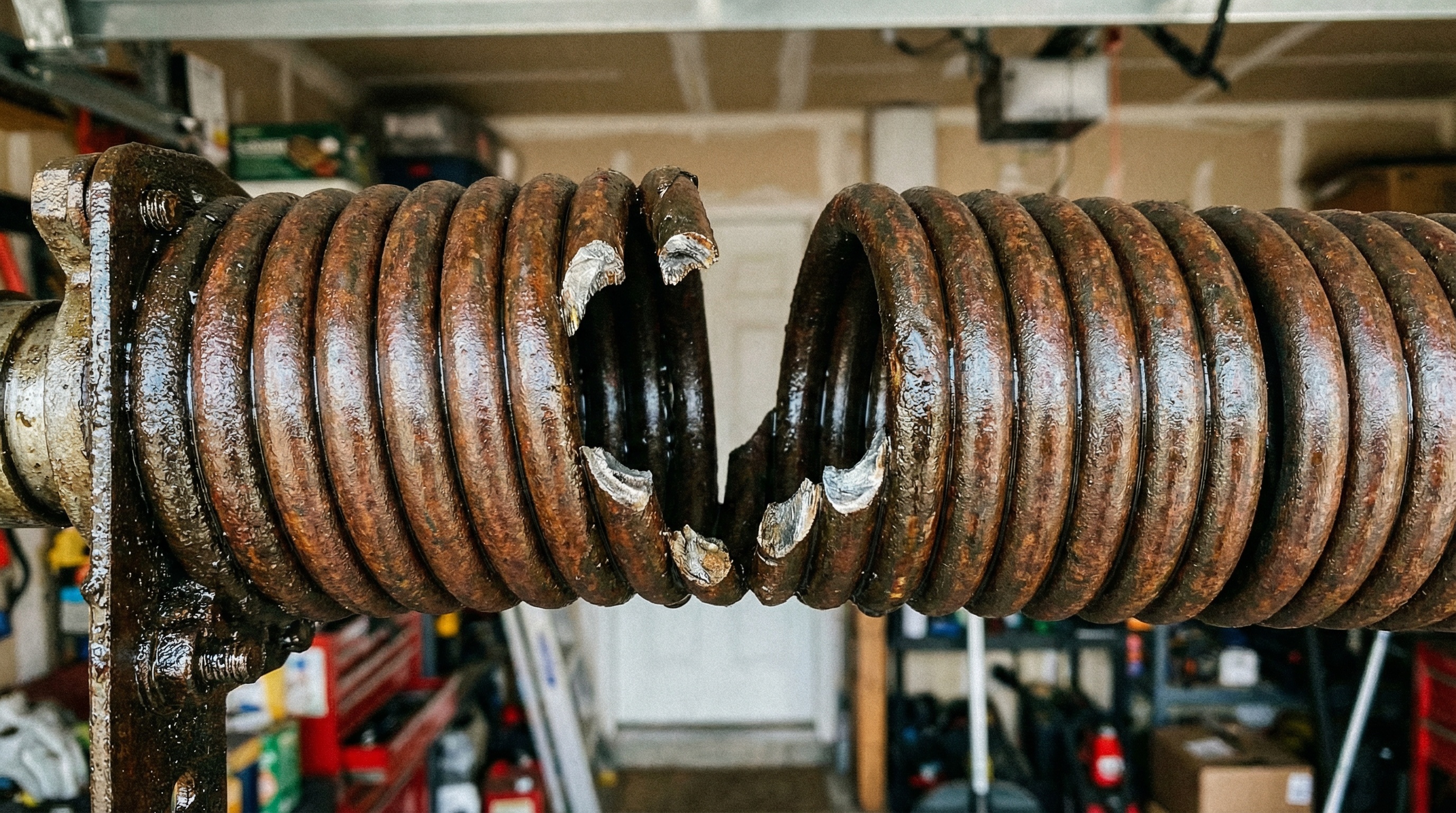
Quick FactBroken springs top the list because they handle the enormous stress of counterbalancing your door's weight. When a spring snaps, you'll typically hear a loud bang, and the door will become extremely heavy or refuse to move entirely.
Sensor problems rank as the second most frequent issue. Modern garage doors use photo-eye sensors to prevent accidents, but these safety devices can become misaligned, dirty, or damaged. When sensors malfunction, your door might start closing and immediately reverse, or refuse to close at all. If you're experiencing issues where your garage door won't close even though the sensors are aligned, there may be deeper electrical or wiring problems at play.
Track misalignment and opener malfunctions round out the common culprits. Tracks can bend from impact or shift over time, causing the door to stick or operate unevenly. Meanwhile, garage door openers may fail due to worn internal components, electrical issues, or simple wear from years of use. Understanding what would cause the garage door not to close can help you identify whether the issue is mechanical or electronic.
Wayne's climate presents unique challenges for garage door systems throughout the year. The combination of hot, humid summers and occasional winter freezes causes metal components to expand and contract repeatedly. This thermal cycling accelerates wear on springs, tracks, and hardware connections.
High humidity levels common in North Pennsylvania can lead to rust formation on springs and tracks, particularly in garages with poor ventilation. When metal components corrode, they become more prone to sudden failure and may create grinding or squeaking noises during operation.
Temperature swings also affect the lubrication in your garage door system. Cold weather can thicken lubricants, making operation sluggish, while extreme heat can cause lubricants to thin out or evaporate entirely. Regular seasonal maintenance becomes crucial for preventing weather-related breakdowns.
Weather TipStart by examining the photo-eye sensors near the bottom of your door tracks. Clean the lenses with a soft cloth and ensure both sensors face each other directly. Check that nothing blocks the sensor beam, including spider webs, dirt, or small objects.
Next, test your remote control batteries and try using the wall-mounted button instead. If the wall button works but the remote doesn't, you've likely identified a simple battery or programming issue. Also verify that your garage door opener is plugged in and that no circuit breakers have tripped. If you notice your garage door is open when you get home unexpectedly, it could indicate remote control interference or programming issues.
However, many garage door repairs involve high-tension components that can cause serious injury if handled improperly. Springs, cables, and track adjustments require specialized tools and knowledge to perform safely. If you hear loud snapping sounds, notice visible gaps in springs, or see cables hanging loose, stop using your garage door and contact a repair service right away. These conditions make your door unsafe to operate and could result in property damage or injury.
Similarly, if your door appears crooked, moves unevenly, or makes grinding noises during operation, the problem likely involves track alignment or roller damage that requires professional tools to fix properly. Electrical issues with the opener, including motors that hum but don't move the door, also need expert diagnosis to prevent further damage. If you're dealing with situations where your automatic garage door won't go up, professional assessment is essential to determine whether the motor, springs, or other components are at fault.
Safety First: Never attempt to lift a garage door manually when springs are broken, as the full weight of the door could cause serious injury or property damage.
Professional technicians have the experience to diagnose problems quickly and access to manufacturer-approved replacement parts. They also carry insurance and warranties that protect you if something goes wrong during the repair process. For Wayne residents, working with a local service ensures familiarity with area-specific issues like weather-related wear patterns and common problems in local housing developments. Homeowners in nearby communities experiencing similar issues can learn more about garage door problems in King of Prussia and Norristown areas.
Regular maintenance from qualified professionals can prevent many emergency situations entirely. Most companies offer seasonal tune-ups that include lubrication, hardware tightening, and safety system testing to keep your garage door operating smoothly year-round.
When your garage door won't open or close properly, quick action prevents minor issues from becoming major headaches. While some basic troubleshooting can be done safely at home, the high-tension components in garage door systems make professional repair the smart choice for most problems. Don't let a malfunctioning garage door disrupt your routine or compromise your home's security.
Common reasons include broken springs, misaligned photo-eye sensors, limit switch problems, or track obstructions. Broken springs are the most frequent cause, creating loud snapping sounds and preventing proper door movement. Check for sensor alignment and track debris first, but call professionals for spring or opener issues to ensure safe repairs.
This typically indicates misaligned or dirty photo-eye sensors. Clean both sensor lenses with a soft cloth and ensure they face each other directly without obstructions like spider webs or debris. If the door continues reversing after cleaning and realigning sensors, contact a professional technician as there may be wiring issues or sensor replacement needed.
No, garage door spring replacement should never be attempted as a DIY project. Springs are under extreme tension (400+ pounds) and can cause serious injury or death if handled improperly. Professional technicians have specialized tools and training to safely replace springs. Always contact licensed garage door repair services for spring-related issues.
A humming opener that doesn't move the door usually indicates stripped gears, a thermal overload, or broken springs. First, let the opener cool down for 15 minutes if it feels hot, then try again. If the problem persists, disconnect the opener and try lifting the door manually (only if springs appear intact). Contact a professional if the door is too heavy to lift or if you hear grinding noises.
Get your garage door back on track today!


