
When your garage door refuses to open or close properly, it typically stems from broken springs, misaligned tracks, worn rollers, frayed cables, sensor problems, or opener malfunctions. These issues require prompt attention to maintain your home's security and daily convenience.
A malfunctioning garage door can disrupt your entire routine, especially in Norristown where we rely heavily on our garages for both vehicle storage and home access. Understanding what causes these problems helps you determine whether you need a quick fix or professional intervention from Earlybirds Garage Doors.
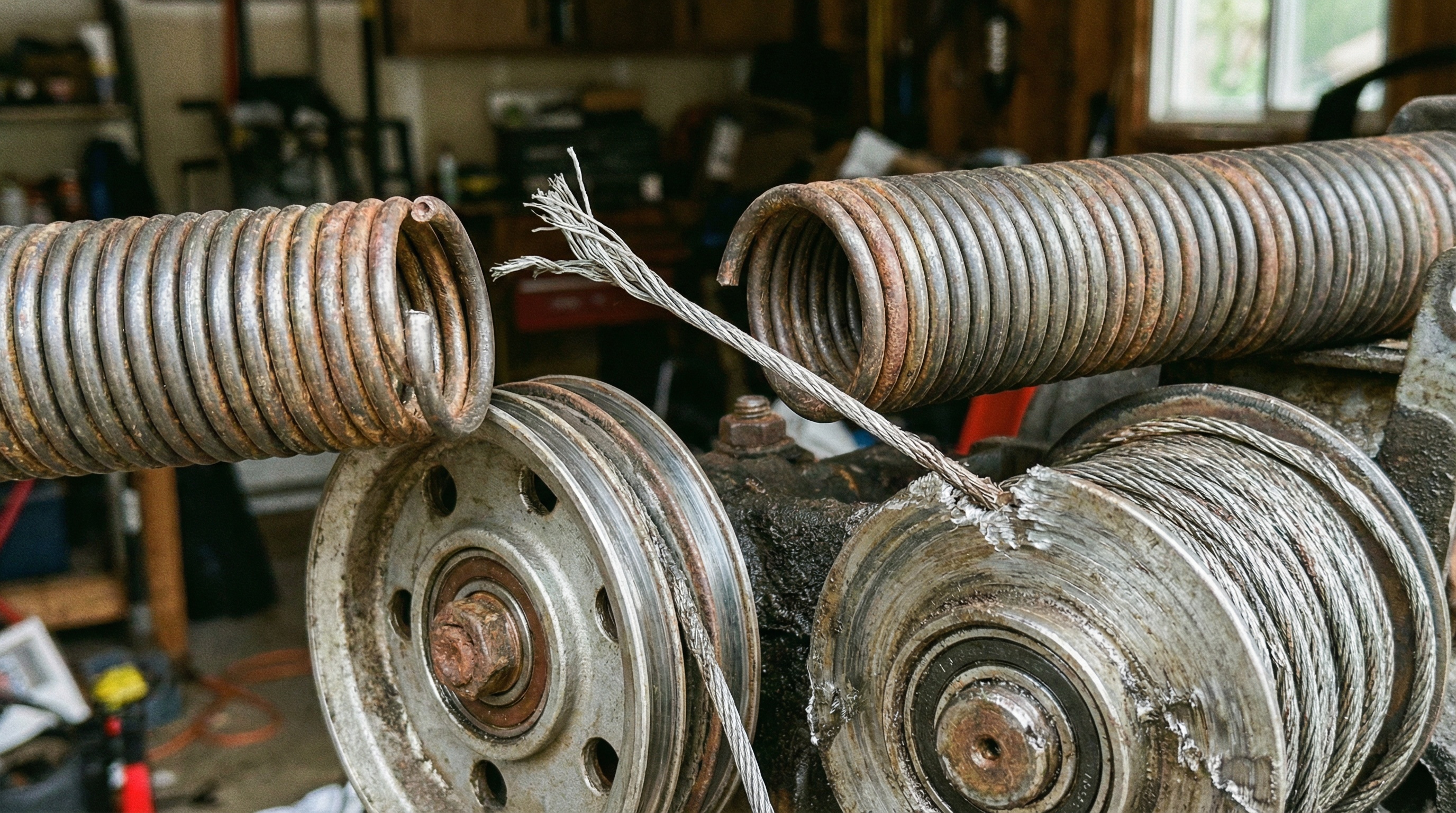
Quick FactThese components counterbalance your door's weight, and when they fail, you'll hear a loud bang followed by a door that feels impossibly heavy or won't move at all. Since springs operate under extreme tension, attempting repairs yourself poses serious safety risks.
Frayed or snapped cables work alongside springs to ensure smooth operation. When cables deteriorate, your door may hang at an angle or shake violently during movement. You might notice one side sitting higher than the other, which signals immediate attention is needed.
Track misalignment or damage creates grinding sounds and jerky movements. Norristown's weather extremes can cause metal tracks to expand, contract, or shift over time. Even minor misalignment prevents smooth door travel and can worsen quickly without correction.
Modern garage doors rely on sophisticated safety systems that can malfunction and prevent normal operation.
Sensor misalignment ranks among the most frustrating issues because the door appears to work but won't complete its cycle. These safety devices prevent the door from closing on objects, but dirt, spider webs, or slight bumps can throw them out of alignment. You'll notice the door reversing immediately after starting to close or only operating when you hold the wall button continuously. If you're experiencing issues where your garage door won't close even though the sensors are aligned, there may be additional electrical complications at play.
Opener motor problems manifest as inconsistent responses to remote commands or unusual grinding noises. The motor might run without moving the door, indicating internal gear damage or drive mechanism failure. Power surges, worn components, or simple age can cause these electrical failures. If you're dealing with a garage door not opening with the motor, the issue could range from simple power problems to more complex mechanical failures.
Important NoteDuring summer heat waves, lubricants can dry out faster, while winter cold can make metal components brittle and more prone to breaking.
Humidity and storms contribute to rust formation on springs, cables, and tracks. Even brief exposure to moisture can start corrosion that weakens critical components over time. High winds during storms can also stress the door system beyond normal operating parameters.
Debris accumulation from Pennsylvania dust storms and seasonal pollen can clog tracks and interfere with sensor operation. Regular cleaning becomes more critical in our environment compared to areas with less extreme weather patterns.
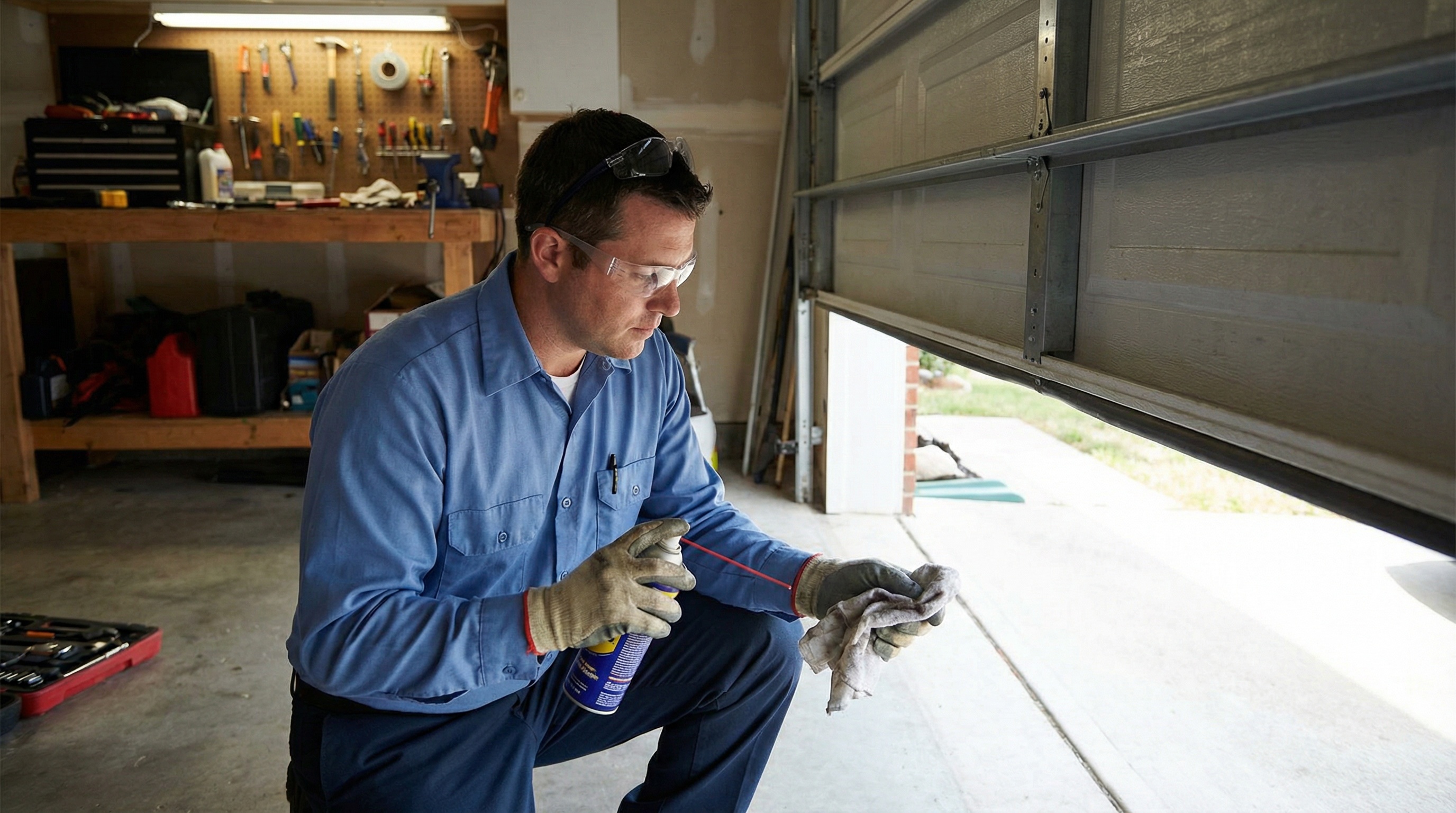
While some garage door issues allow for DIY troubleshooting, many situations require professional expertise to ensure safety and proper repair.
Spring and cable repairs should always involve trained technicians due to the extreme forces involved. Professional technicians can also diagnose whether the entire unit needs replacement or if specific components can be repaired cost-effectively. If you're wondering why your automatic garage door won't go up, a professional assessment can identify whether it's a motor issue or another component failure.
Track realignment and replacement demands precision to ensure smooth operation and prevent future problems. Professionals have the experience to identify underlying causes of misalignment and address them comprehensively rather than applying temporary fixes. Understanding what would cause the garage door not to close helps you communicate effectively with repair technicians about your specific situation.
Repair TypeDIY DifficultyProfessional RecommendedSensor cleaningEasyOptionalSpring replacementDangerousRequiredTrack alignmentModerateRecommendedMotor repairComplexRequired
Getting your garage door back to reliable operation often requires balancing immediate fixes with long-term solutions. In Norristown's demanding climate, working with experienced professionals like Earlybirds Garage Doors ensures repairs address both current problems and prevent future issues. Don't let a malfunctioning garage door disrupt your daily routine when expert help is readily available to restore your peace of mind.
The most common cause is misaligned or dirty safety sensors. Clean both sensors with a soft cloth and ensure they're properly aligned - you should see solid lights on both units. Other causes include broken springs, frayed cables, or track obstructions. If cleaning doesn't resolve the issue, contact a professional for inspection.
Signs of broken springs include a loud bang when the door is in use, the door feeling unusually heavy when lifting manually, the door stopping halfway during operation, or visible gaps in the spring coils. Never attempt to repair springs yourself as they operate under extreme tension and can cause serious injury - always call a professional technician.
Yes, Norristown's extreme temperature fluctuations cause metal components to expand and contract, potentially misaligning tracks or affecting spring tension. High humidity and storms can cause rust on springs and cables, while heat can dry out lubricants faster. Regular maintenance every 3-6 months helps prevent weather-related failures.
DIY repairs are safe for cleaning sensors, lubricating rollers, and removing debris from tracks. However, always call professionals for spring replacement, cable repairs, track realignment, and opener motor issues. These components involve high tension forces and electrical systems that pose serious safety risks without proper training and tools.
Get your garage door back on track today!


