
Your garage door may fail to open or close properly due to misaligned safety sensors, broken springs, damaged cables, malfunctioning openers, or track problems. Most issues stem from normal wear and tear, weather effects, or lack of maintenance. Understanding these common causes helps you determine whether you need a simple fix or professional garage door repair services.
Living in King of Prussia, you rely on your garage door daily. When it stops working properly, it disrupts your routine and compromises your home's security. The good news is that many garage door problems have identifiable causes and solutions. Some you can handle yourself, while others require professional expertise for safety reasons.
Quick Fact: Broken springs account for nearly 40% of all garage door malfunctions, making them the most common repair issue homeowners face.
Several factors can prevent your garage door from operating smoothly. Weather changes in Pennsylvania create expansion and contraction in metal components, leading to misalignment. Daily use gradually wears down springs, cables, and moving parts. Power fluctuations can damage electronic components, while debris accumulation affects sensors and tracks.
Misaligned safety sensors near the door's base frequently cause operational issues. These sensors prevent the door from closing if something blocks the path. Dirt, spider webs, or slight bumps can knock them out of alignment. When this happens, your door might start closing but immediately reverse, or refuse to close at all. If you're experiencing issues where your garage door goes down then comes back up, sensor misalignment is often the culprit.
Broken springs represent the most serious common problem. Torsion springs above the door and extension springs on the sides support the door's weight. When they snap, you'll hear a loud bang, and the door becomes extremely heavy or won't move. Never attempt spring repairs yourself due to the high tension involved.
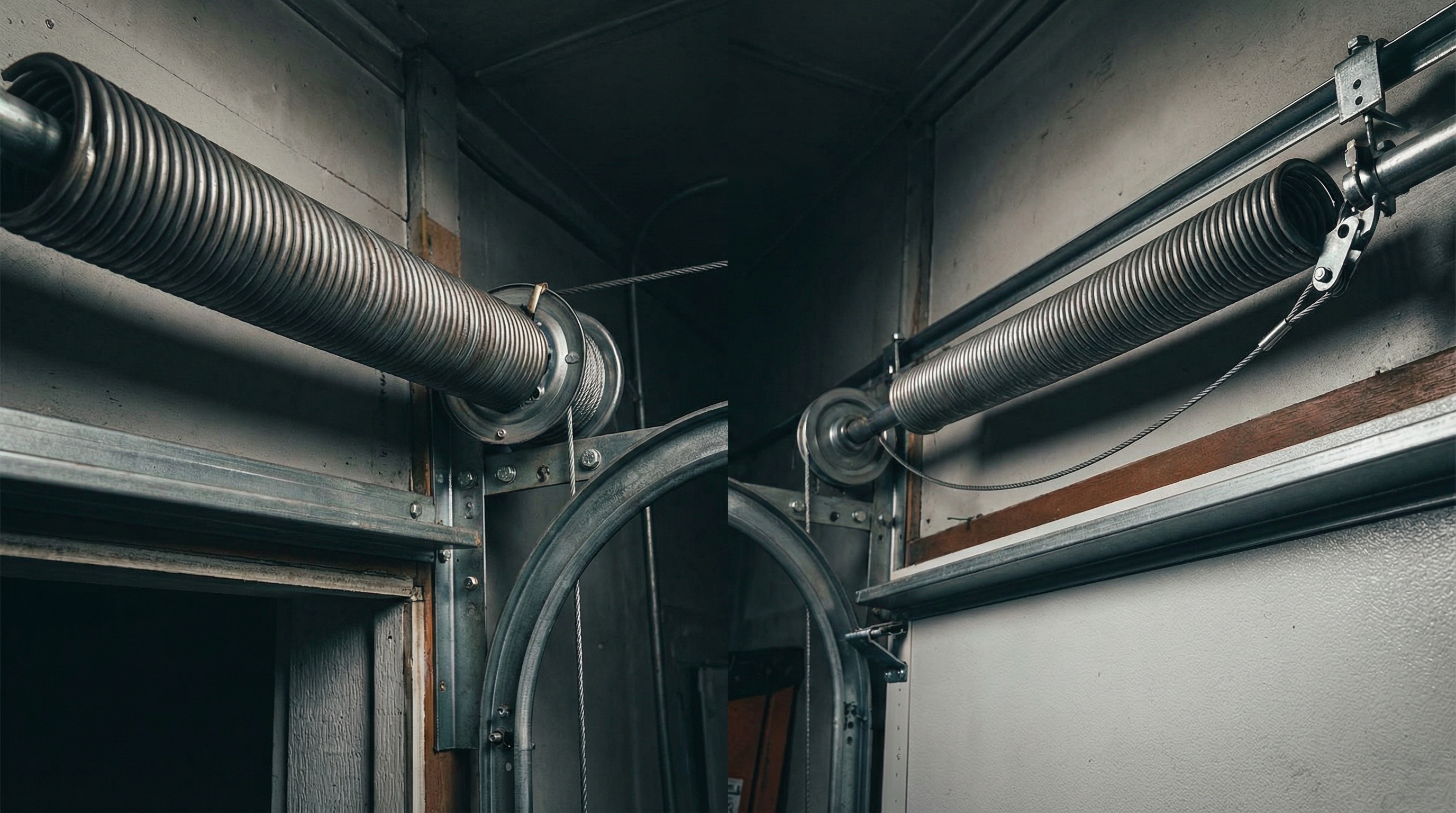
Your garage door communicates problems through various warning signs. A door that feels unusually heavy when lifting manually indicates spring issues. Grinding, squealing, or banging sounds during operation suggest worn components or misaligned parts. If the door moves unevenly, hangs at an angle, or stops partway through its cycle, mechanical problems are developing.
Electronic issues manifest differently. Your remote might work inconsistently, requiring multiple button presses. The wall switch could become unresponsive, or the opener motor runs without moving the door. These symptoms often point to circuit board problems, worn gears, or electrical connection issues. If you notice that your garage door motor runs but the door doesn't open, this indicates a disconnect between the opener and the door mechanism.
Safety Alert: If your garage door falls rapidly when closing or won't stay open without manual support, stop using it immediately and call a professional. This indicates spring failure that poses serious injury risks.
Regular maintenance prevents many common problems and extends your garage door's lifespan. Monthly visual inspections help you catch issues early. Look for frayed cables, worn rollers, bent tracks, and loose hardware. Listen for unusual sounds during operation and note any changes in the door's movement pattern.
Clean safety sensors monthly using a soft cloth to remove dirt and debris. Check their alignment by ensuring the indicator lights are solid, not blinking. Even when sensors appear aligned, you may still encounter problems—learn more about why your garage door won't close even though the sensors are aligned. Lubricate hinges, rollers, and tracks every three months using garage door lubricant, not household oils that attract dirt.
Test your door's balance by disconnecting the opener and manually lifting the door halfway. It should stay in position without assistance. If it falls or rises, spring adjustment is needed. This test helps identify problems before they become emergencies.

Some garage door repairs require professional expertise for safety and effectiveness. Spring replacement tops this list due to the extreme tension involved. Attempting DIY spring repair can result in serious injury or death. Similarly, cable replacement requires special tools and knowledge of the door's weight distribution system.
Electrical problems with openers, circuit boards, or wiring should be handled by trained technicians. They have the proper equipment to diagnose issues safely and ensure repairs meet local electrical codes. Track realignment often requires professional assessment to prevent further damage to rollers and other components. Understanding what causes a garage door not to close can help you communicate effectively with repair professionals.
Repair TypeDIY SafeProfessional RequiredTypical Cost RangeSensor cleaningYesNoFreeSpring replacementNoYes$150-$300Cable repairNoYes$100-$200Opener motorNoYes$200-$500
In King of Prussia's climate, where temperature swings affect garage door components, professional maintenance becomes even more valuable. Experienced technicians understand how local weather patterns impact different door materials and can make preventive adjustments. If you're in nearby areas experiencing similar issues, you can explore solutions for garage door problems in Norristown or Wayne.
Pro Tip: Schedule annual professional inspections during spring or fall when weather changes are most likely to reveal developing problems.
Understanding why your garage door won't open or close properly empowers you to take appropriate action. While some issues require immediate professional attention, regular maintenance and early problem recognition can prevent many costly repairs. When in doubt, prioritize safety and consult with qualified garage door repair specialists who understand the unique challenges of maintaining doors in the King of Prussia area.
Even when sensors appear aligned, dirt, spider webs, or slight vibrations can interfere with the infrared beam. Clean both sensors with a soft cloth and ensure the indicator lights are solid, not blinking. If the problem persists after cleaning, the sensors may need professional realignment or replacement due to internal component failure.
Garage door spring replacement typically costs between $150-$300 for most residential doors in King of Prussia. Torsion springs are generally more expensive than extension springs. The cost varies based on door size, spring type, and local labor rates. Always use certified professionals for spring repairs due to the extreme tension and safety risks involved.
Basic troubleshooting like checking power, replacing remote batteries, or resetting the opener can be done safely. However, motor repairs involving gears, circuit boards, or electrical wiring should only be handled by trained technicians. DIY motor repairs can void warranties, create safety hazards, and cause more expensive damage to the entire system.
Due to Pennsylvania heat and humidity causing metal expansion and contraction, lubricate moving parts every 3 months and perform visual inspections monthly. Schedule professional maintenance annually, preferably in spring or fall when weather changes are most likely to reveal developing problems. Regular maintenance prevents costly repairs and extends your door's lifespan in King of Prussia's challenging climate.
Get your garage door back on track today!


