
You'll know your garage door spring is broken if the door feels unusually heavy when lifting manually, won't open properly, or you heard a loud snapping sound. These springs counterbalance your door's weight, and when they fail, your garage door becomes unsafe and nearly impossible to operate normally.
A broken garage door spring is one of the most common garage door problems homeowners face. When springs wear out or snap suddenly, they make your garage door dangerous to use and can damage other components if you continue operating the system.
Safety Alert: Never attempt to use a garage door with a broken spring. The door can slam shut unexpectedly, causing serious injury or property damage.
Your garage door relies on springs to do the heavy lifting every time you open or close it. Most residential systems use one of two spring types that work differently but serve the same purpose.
Torsion springs mount horizontally above your garage door opening. They twist and store energy as the door closes, then release that energy to help lift the door when opening. These springs typically last longer and provide smoother operation.
Extension springs run along the horizontal tracks on both sides of your door. They stretch and contract to provide lifting force. While less expensive initially, they tend to wear out faster and can create dangerous situations when they break.
Both spring types are wound with significant tension to support doors that often weigh 150-300 pounds. Without this counterbalance system, your garage door opener motor would burn out quickly trying to lift the full weight. Understanding the difference between a torsion spring and an extension spring can help you identify which type your door uses and what to expect during replacement.

Recognizing spring failure early can prevent injury and additional damage to your garage door system. Here are the most reliable indicators that point to a broken spring.
The door feels impossibly heavy: If you disconnect your opener and try lifting the door manually, a working spring system should make this relatively easy. When springs break, the door becomes dead weight that's difficult or impossible to lift by hand.
Partial opening then stopping: Modern garage door openers have safety mechanisms that detect excessive resistance. If your door starts to open but stops after just a few inches, the opener likely sensed spring failure and shut down to prevent motor damage.
Loud bang or snapping noise: Springs store tremendous tension, so when they break, they often create a sound like a gunshot or loud crack. This noise typically happens when the door is closed and the spring finally gives way under pressure.
Visible gap in the spring coil: Look at your torsion spring above the door opening. A broken spring will show a clear separation or gap where the metal coil snapped apart.
Quick Check: If you see loose cables hanging from your door tracks, this often indicates spring failure since the springs help keep cable tension proper.
Understanding why springs fail helps you recognize when replacement might be needed and how to extend their lifespan through proper maintenance.
Normal wear from repeated cycles: Every time you open and close your garage door, that counts as one cycle. Standard residential springs are typically rated for about 10,000 cycles. If you use your garage door multiple times daily, you'll reach this limit within several years.
Rust and corrosion damage: Springs are made of steel, which can rust over time, especially in humid climates. Rust weakens the metal and increases friction, causing springs to wear out faster and break more suddenly.
Lack of regular maintenance: Springs need periodic lubrication to reduce friction and wear. Without proper maintenance, they work harder and fail sooner than their expected lifespan.
Improper installation or wrong spring type: If springs aren't correctly matched to your door's weight or installed with improper tension, they'll wear unevenly and fail prematurely. It's important to note that garage door springs are not universal, so proper sizing is critical for safe operation.
Temperature extremes can also affect spring performance, though this rarely causes immediate failure. Very cold weather can make metal more brittle, while extreme heat may affect spring tension.
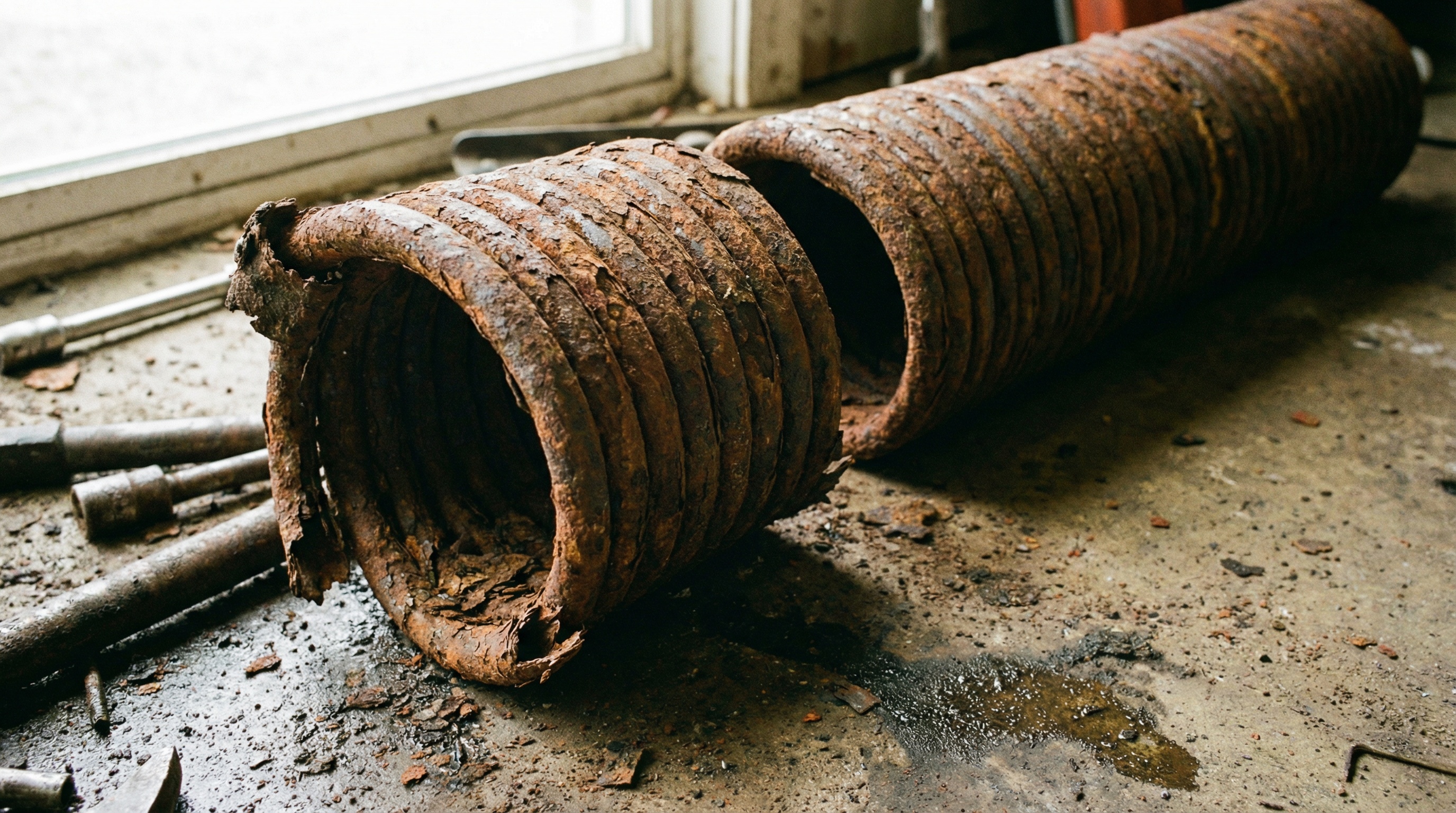
Attempting to repair or replace garage door springs yourself creates serious safety risks that far outweigh any potential cost savings. These components store enough energy to cause severe injury or death if handled improperly.
Extreme tension dangers: Garage door springs are wound with hundreds of pounds of tension. If the wrong tool slips or the spring releases unexpectedly during DIY repair, the results can be catastrophic.
Specialized tools required: Proper spring replacement requires specific winding bars and techniques that most homeowners don't have access to. Using improvised tools increases the risk of injury and improper installation. If you're wondering can I replace a garage door spring myself, the answer is that it's strongly discouraged due to these safety concerns.
System calibration needs: After installing new springs, the entire door system needs rebalancing and testing. Professionals have the experience to ensure everything works safely together.
Warranty protection: Most spring manufacturers only honor warranties when installation is performed by certified technicians. DIY installation typically voids any product guarantees.
Professional technicians can also inspect other components like cables, rollers, and tracks that may have been damaged by the spring failure. This comprehensive approach prevents future problems and ensures your entire system operates safely.
When you notice any signs of spring failure, stop using your garage door immediately and contact a qualified repair service. Many homeowners ask can you still use a garage door with a broken spring, and the answer is absolutely not—continuing to operate the door can cause additional damage to the opener motor, tracks, and other expensive components. While you may be able to manually open a garage door with a broken spring in an emergency, this should only be done with extreme caution and professional guidance.
A broken garage door spring transforms your reliable garage door into a safety hazard that requires immediate professional attention. The warning signs are usually clear, from unusual heaviness to visible damage, and ignoring them puts your family and property at risk. Professional repair ensures your door returns to safe, smooth operation while protecting your investment in the entire garage door system.
The most reliable signs include the door feeling extremely heavy when lifted manually, a loud snapping or banging sound from the garage, visible gaps in the spring coils, and the door only opening partway before stopping. You may also notice loose cables hanging from the tracks or the garage door opener straining but failing to lift the door properly.
No, you should never use a garage door with a broken spring. The door can slam shut unexpectedly, causing serious injury or property damage. Without the spring's counterbalance, the full weight of the door (150-300 pounds) becomes dangerous to handle, and continuing to operate the system can damage the opener motor and other expensive components.
Garage door springs are wound with hundreds of pounds of tension and require specialized tools and techniques for safe replacement. Attempting DIY repair creates serious risks of severe injury or death if the spring releases unexpectedly. Professional technicians have the proper winding bars, safety equipment, and experience to handle the extreme tension safely while ensuring proper system calibration.
Standard residential garage door springs are typically rated for about 10,000 cycles, which translates to 3-7 years with normal daily use. Factors like rust, lack of maintenance, temperature extremes, and frequency of use can affect their lifespan. High-cycle springs are available that can last 25,000-50,000 cycles but cost more initially.
Get your garage door back on track today!


