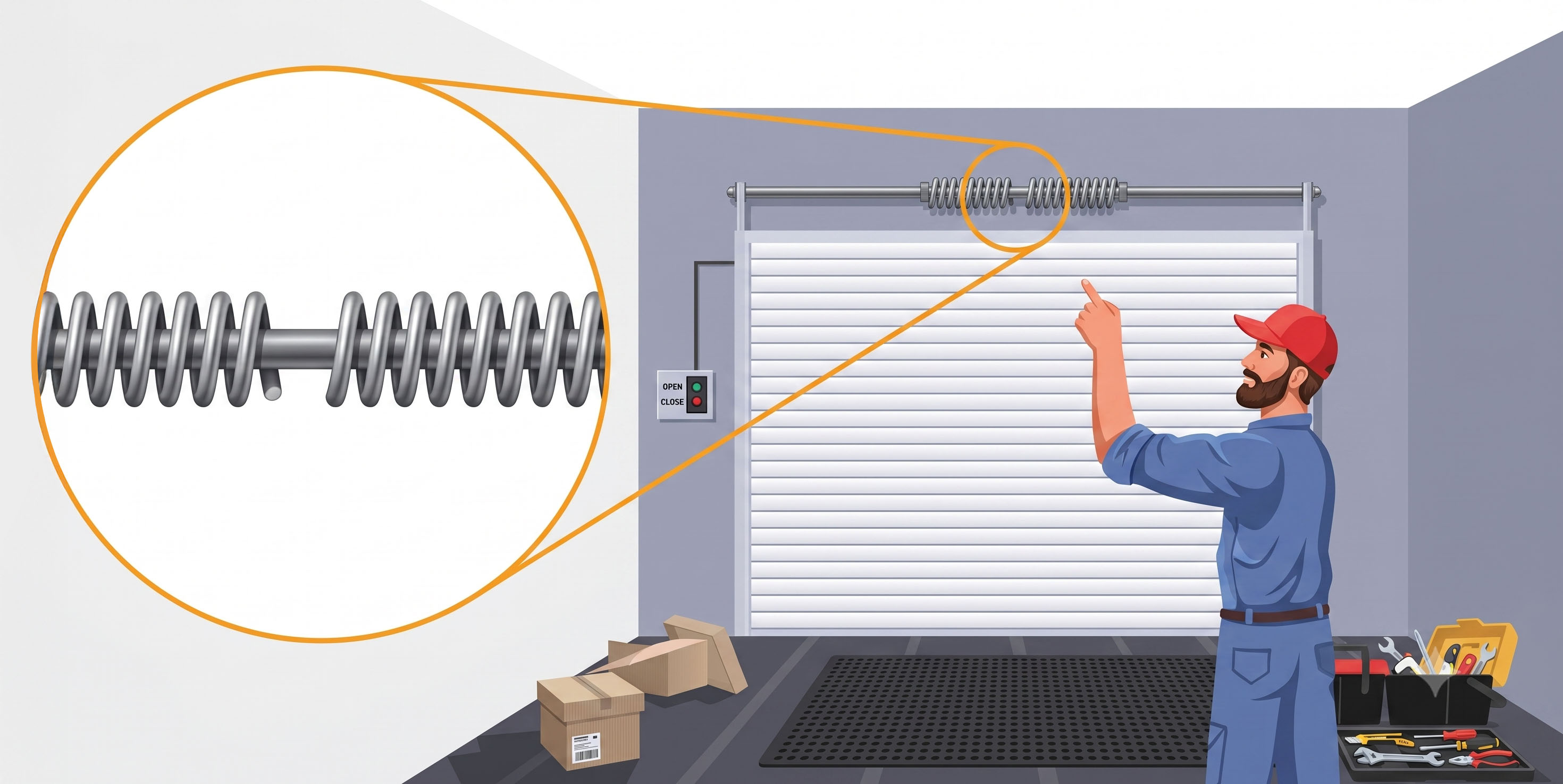
While technically possible, replacing a garage door spring yourself is extremely dangerous and strongly discouraged. The complexity of this repair, combined with the specialized tools required, makes professional installation the safest choice for homeowners.
Safety Warning: Broken garage door springs pose serious risks. When springs snap while the door is open or moving, they can cause the door to close rapidly and dangerously, threatening personal safety.
Understanding why this seemingly simple repair carries such significant risks will help you make an informed decision about your garage door maintenance.
Understanding garage door spring mechanics
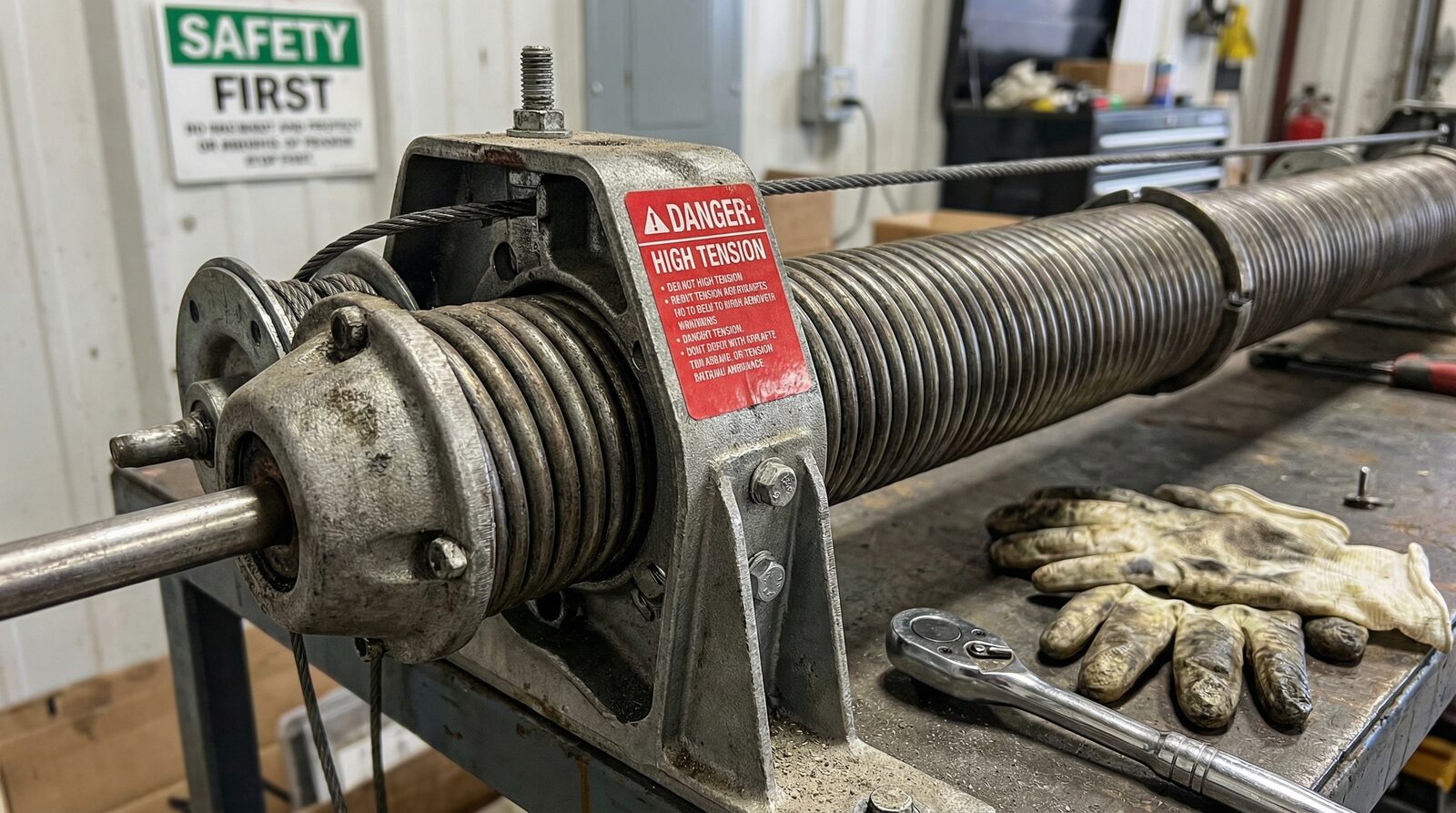
Garage doors rely on either torsion or extension springs to counterbalance the door's weight, making opening and closing effortless. These springs work under extreme tension - a typical residential garage door weighs between 150-400 pounds, and the springs must support this entire weight.
Torsion springs mount horizontally above the door and twist to store energy, while extension springs stretch along the door tracks. Both types gradually weaken over time due to constant stress cycles. When one spring fails, the remaining spring often follows within weeks or months.
The engineering behind these systems requires precise calculations for spring tension, wire gauge, and coil count. Even small miscalculations can result in an unbalanced door that strains your opener motor or creates safety hazards.
Why DIY spring replacement is dangerous
The primary danger comes from the stored energy in garage door springs. Standard household tools simply cannot handle the forces involved. Additionally, improper installation can cause the door to fall unexpectedly, creating ongoing safety risks for your family.
Electrical components add another layer of complexity. Modern garage doors include safety sensors, automated controls, and motor systems that require electrical knowledge to work with safely. Incorrect wiring can lead to malfunctions or fire hazards.
Important Note: According to industry experts, attempting DIY garage door spring repairs can void manufacturer warranties, leaving homeowners responsible for future malfunctions or replacements.
Professional installation advantages
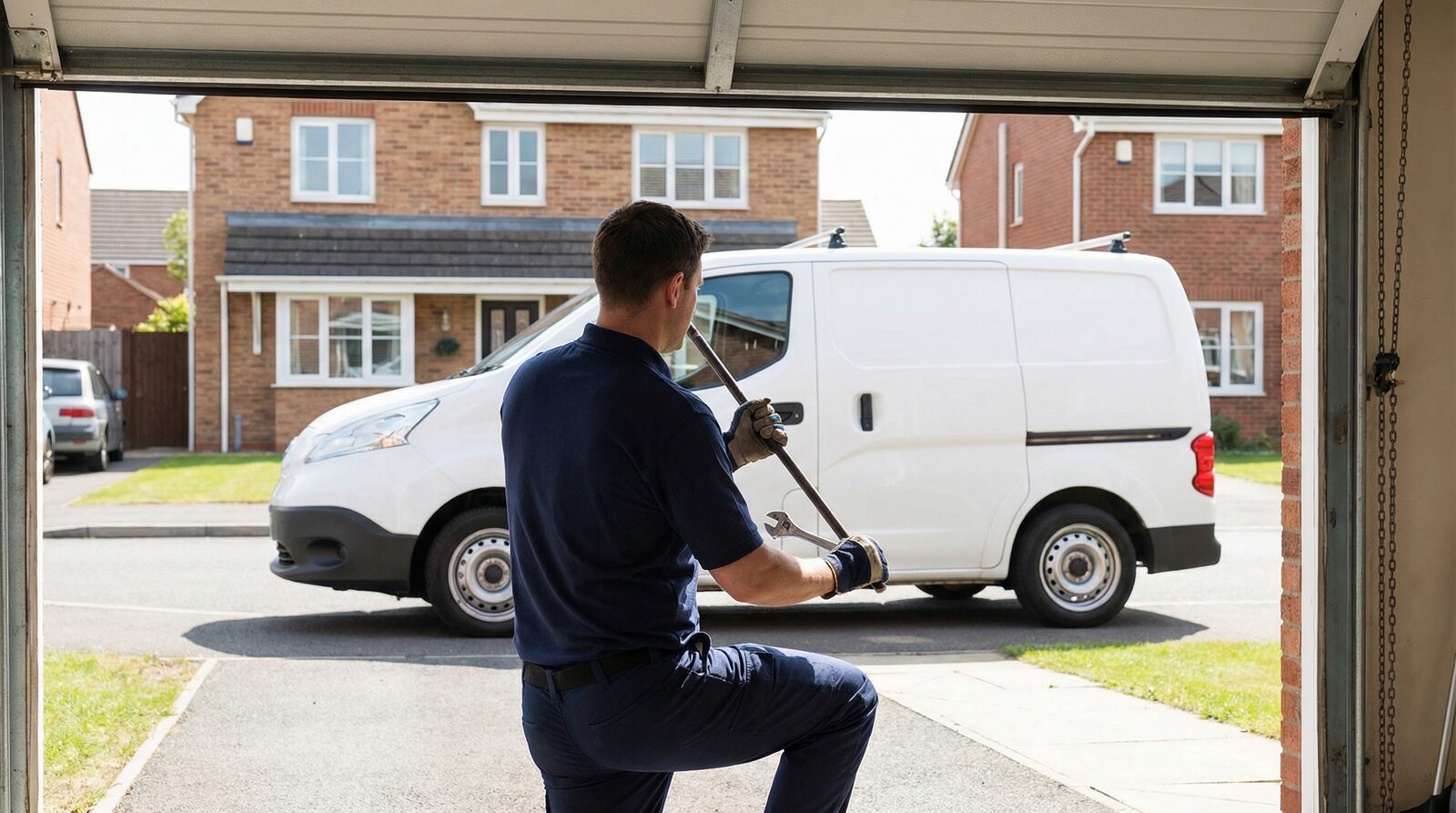
Professional garage door technicians bring specialized training, proper tools, and comprehensive insurance coverage to every repair. They can quickly diagnose whether both springs need replacement - a common recommendation since springs typically wear at similar rates.
Certified technicians also perform complete system inspections, checking cables, rollers, tracks, and opener alignment. This comprehensive approach often identifies potential problems before they become costly emergencies. Professional installation typically includes warranties on both parts and labor, providing long-term peace of mind.
The time savings alone often justify professional service. What might take an inexperienced homeowner an entire weekend can be completed by professionals in 1-2 hours, with guaranteed proper installation and testing.
When to call for professional help
Contact a garage door specialist immediately if you notice these warning signs: the door feels heavier than usual, opens unevenly, makes grinding noises, or if you see a visibly broken spring. Never attempt to operate a door with a broken spring, as this can damage the opener motor or cause the door to fall.
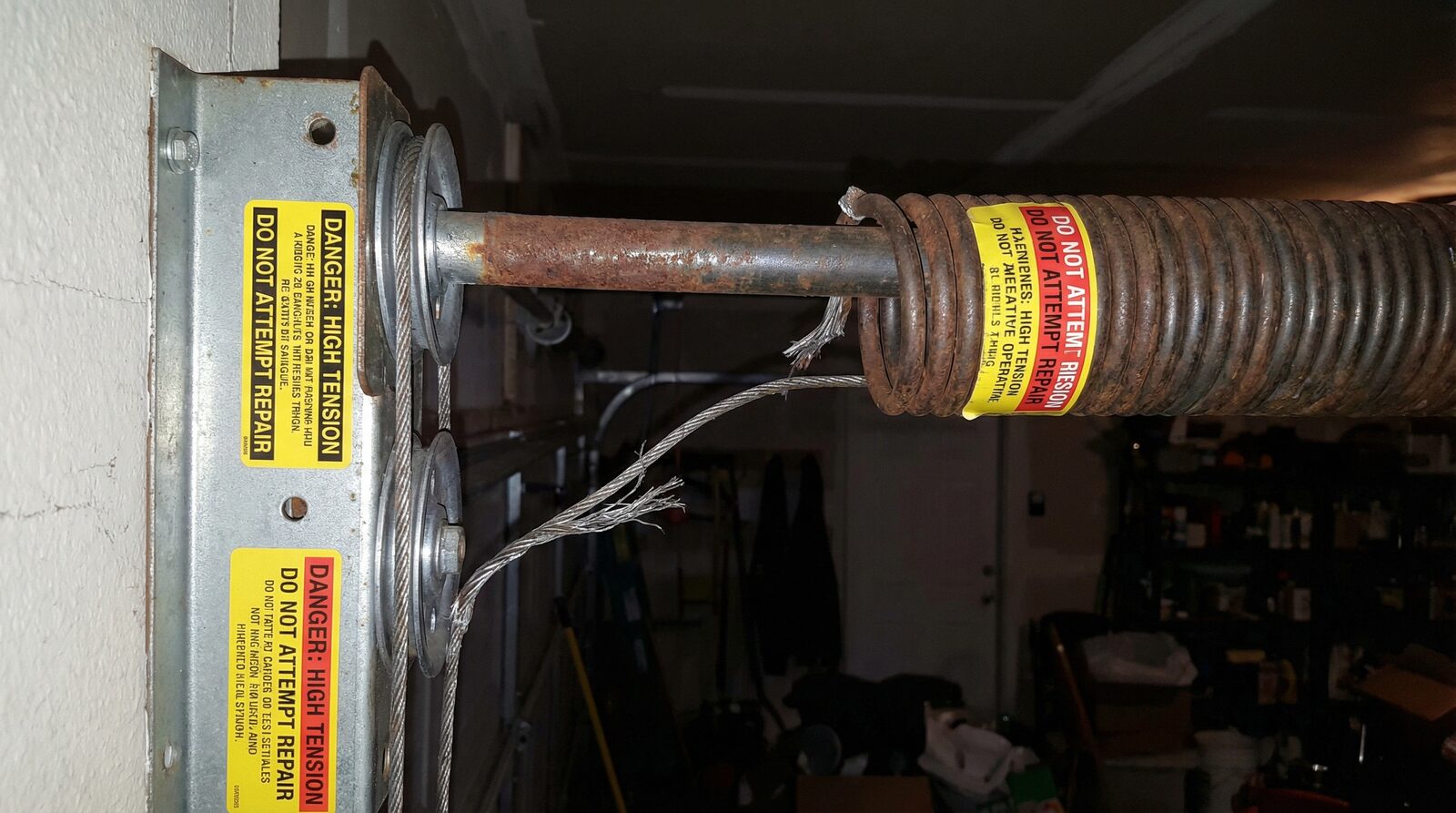
Professional assessment ensures proper diagnosis and safe repair.
Emergency services are available for situations where the door is stuck open or closed, leaving your home vulnerable. Many reputable companies offer same-day service and transparent pricing for spring replacement.
While the initial cost of professional spring replacement might seem significant, it's minimal compared to potential medical bills, property damage, or the expense of replacing an entire garage door system damaged by improper DIY repairs. Your safety and your family's well-being are worth the investment in professional expertise.
FAQ
Can I replace a garage door spring myself?
While technically possible, replacing a garage door spring yourself is extremely dangerous and strongly discouraged. Garage door springs store immense tension and can cause severe injuries including broken bones or worse when mishandled. Professional technicians have specialized tools like winding bars and follow strict safety protocols to manage this tension safely, while standard household tools cannot handle the forces involved.
How dangerous is replacing a garage door spring?
Replacing garage door springs is extremely dangerous due to the stored energy in the springs. These springs support 150-400 pounds and can snap violently if released suddenly, leading to serious injuries. When springs break while the door is open or moving, they can cause the door to close rapidly and dangerously. Additionally, improper installation can cause the door to fall unexpectedly, creating ongoing safety risks.
How do I know if my garage door spring is broken?
Warning signs of a broken garage door spring include: the door feels heavier than usual, opens unevenly, makes grinding noises, or you see a visibly broken spring. Never attempt to operate a door with a broken spring, as this can damage the opener motor or cause the door to fall. Contact a garage door specialist immediately if you notice these signs.
What are the advantages of professional garage door spring installation?
Professional installation offers specialized training, proper tools, and comprehensive insurance coverage. Certified technicians perform complete system inspections, checking cables, rollers, tracks, and opener alignment. They can complete the job in 1-2 hours with guaranteed proper installation and testing, often including warranties on both parts and labor. This provides long-term peace of mind and prevents potential medical bills or property damage from improper DIY repairs.