
Yes, you can manually open a garage door with a broken spring, but it requires extreme caution and should only be done in emergency situations. When a spring breaks, your garage door loses its counterbalance system, making it significantly heavier and potentially dangerous to operate. The door can weigh anywhere from 150 to 400 pounds without spring assistance, creating serious safety risks for anyone attempting to lift it manually.
Safety First: Never attempt to manually operate a garage door with a broken spring unless absolutely necessary, as the increased weight and lack of balance can cause serious injury or property damage.
Understanding why springs break and how to handle this situation safely can help you make informed decisions when faced with this common garage door problem. Without these springs, your garage door opener would struggle under the full weight of the door, often leading to motor burnout or complete system failure.
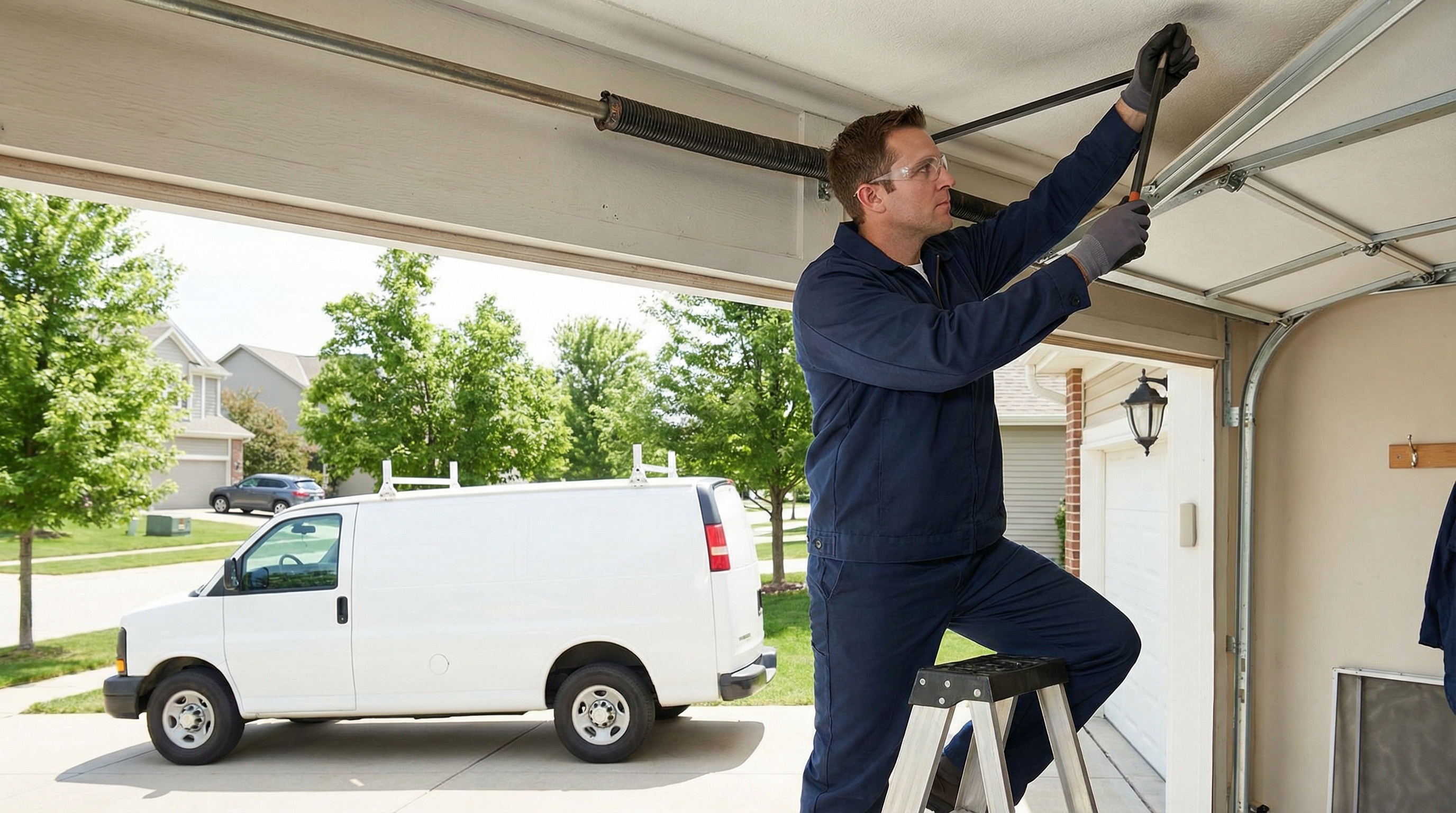
There are two main types of garage door springs. Torsion springs mount horizontally above the garage door opening and use torque to lift the door smoothly. Extension springs run along the sides of the door tracks, stretching and contracting to assist with lifting. Both types are under tremendous tension and can be extremely dangerous when they fail.
When a spring breaks, you'll typically hear a loud bang, and the door will become noticeably heavier. The garage door opener may struggle to lift the door or refuse to operate altogether, as modern openers have safety features that detect the increased resistance. If you're unsure about identifying signs of a broken garage door spring, it's important to recognize these warning signals early.
Operating a garage door with broken springs presents several serious hazards that extend beyond simple inconvenience. The most immediate danger is personal injury from the door's increased weight, which can cause back strain, crushed fingers, or worse if the door falls unexpectedly.
Property damage is another significant concern. Without proper counterbalancing, the door can slam shut with tremendous force, potentially damaging vehicles, stored items, or the door itself. The garage door opener motor may also burn out from the excessive strain, leading to costly repairs. Many homeowners wonder whether they can still use a garage door with a broken spring, but the risks typically outweigh any temporary convenience.

Critical Warning: A garage door without functioning springs can weigh 3-4 times more than normal, making it extremely difficult and dangerous for one person to control safely.
Misalignment issues often develop when forcing a door to operate without springs. The uneven weight distribution can cause the door to bind in its tracks, bend panels, or damage the track system itself. These secondary damages often cost more to repair than the original broken spring.
If you absolutely must open your garage door with a broken spring, follow these steps carefully and consider having someone assist you. First, disconnect the garage door opener by pulling the emergency release cord when the door is in the closed position. This prevents the opener from trying to operate and potentially causing additional damage.
Position yourself and any helpers at the sides of the door, never directly underneath it. Grip the door firmly at the bottom edge, using proper lifting techniques with your legs rather than your back. Lift slowly and steadily, being prepared for the door's significant weight.
As you lift, watch for any binding or resistance that could indicate track problems. If the door doesn't move smoothly, stop immediately and call a professional. Once open, prop the door securely with clamps or locking pliers on the tracks to prevent it from falling.
Remember that closing the door will be even more dangerous than opening it, as gravity will work against you. Consider leaving the door open until professional repairs can be completed. For more detailed guidance on manually opening a garage door when the spring is broken, consult with local experts.
Professional garage door repair becomes essential when safety risks outweigh the need for immediate access. If you notice any bending, binding, or unusual resistance while attempting to open the door manually, stop and contact a technician immediately.
Most garage door springs are designed to last 7-10 years or approximately 10,000 cycles, but factors like climate, usage frequency, and maintenance can affect their lifespan. Professional technicians have the proper tools and expertise to safely replace springs while ensuring the entire system is properly balanced and aligned. While some homeowners consider replacing a garage door spring themselves, this is generally not recommended due to the extreme danger involved.
The cost of professional spring replacement typically ranges from $150 to $350, depending on spring type and local labor rates. This investment is minimal compared to the potential costs of injury, property damage, or additional system repairs that can result from improper handling.
Professional services also include system inspection and adjustment, ensuring your garage door operates safely and efficiently after repair. Many companies offer warranties on their work, providing peace of mind and protection against future issues.
While manually opening a garage door with a broken spring is technically possible, it should only be attempted in true emergencies and with extreme caution. The safest approach is always to contact professional repair services who can restore your garage door to proper working condition without risking injury or additional damage to your property.
No, it is not safe to open a garage door with a broken spring. Without the spring's counterbalance, the door can weigh 150-400 pounds and poses serious risks of injury from dropping unexpectedly or being too heavy to control. This should only be attempted in absolute emergencies with multiple helpers and extreme caution.
To manually open a garage door with a broken spring: 1) Pull the emergency release cord to disconnect the opener, 2) Get 2-3 helpers to assist with lifting, 3) Grip the door firmly at the bottom corners, 4) Lift slowly and steadily using your legs, not your back, 5) Secure the door open with clamps or locking pliers on the tracks. Never attempt this alone due to the extreme weight and danger.
Using a garage door opener with a broken spring will likely burn out the motor, as it cannot handle the full weight of the door without spring assistance. Modern openers have safety features that detect increased resistance and may refuse to operate. Attempting to force operation can damage the motor, gears, belt, or chain system.
You should call a professional immediately when you notice signs of a broken spring, such as a loud bang, difficulty opening the door, or the opener struggling. Professional repair typically costs $150-350 and is much safer than DIY attempts. Springs are under extreme tension and can cause serious injury or death if handled improperly without proper tools and training.
Get your garage door back on track today!


