
Frustrated because your garage door refuses to close? You're not alone. In Wayne, Pennsylvania, this issue affects countless homeowners and can stem from several common causes. The most frequent culprits include misaligned safety sensors, track obstructions, broken springs, or opener malfunctions. Understanding these problems early can save you time, stress, and potentially costly repairs down the line.
Quick Answer: Most garage doors won't close due to blocked or dirty safety sensors (80% of cases), followed by track obstructions, broken springs, or opener issues. Simple cleaning often resolves sensor problems immediately.
Whether you're dealing with a door that stops mid-close, reverses unexpectedly, or won't budge at all, this guide will walk you through the most effective troubleshooting steps. We'll also help you identify when it's time to call a professional garage door repair service in Wayne.
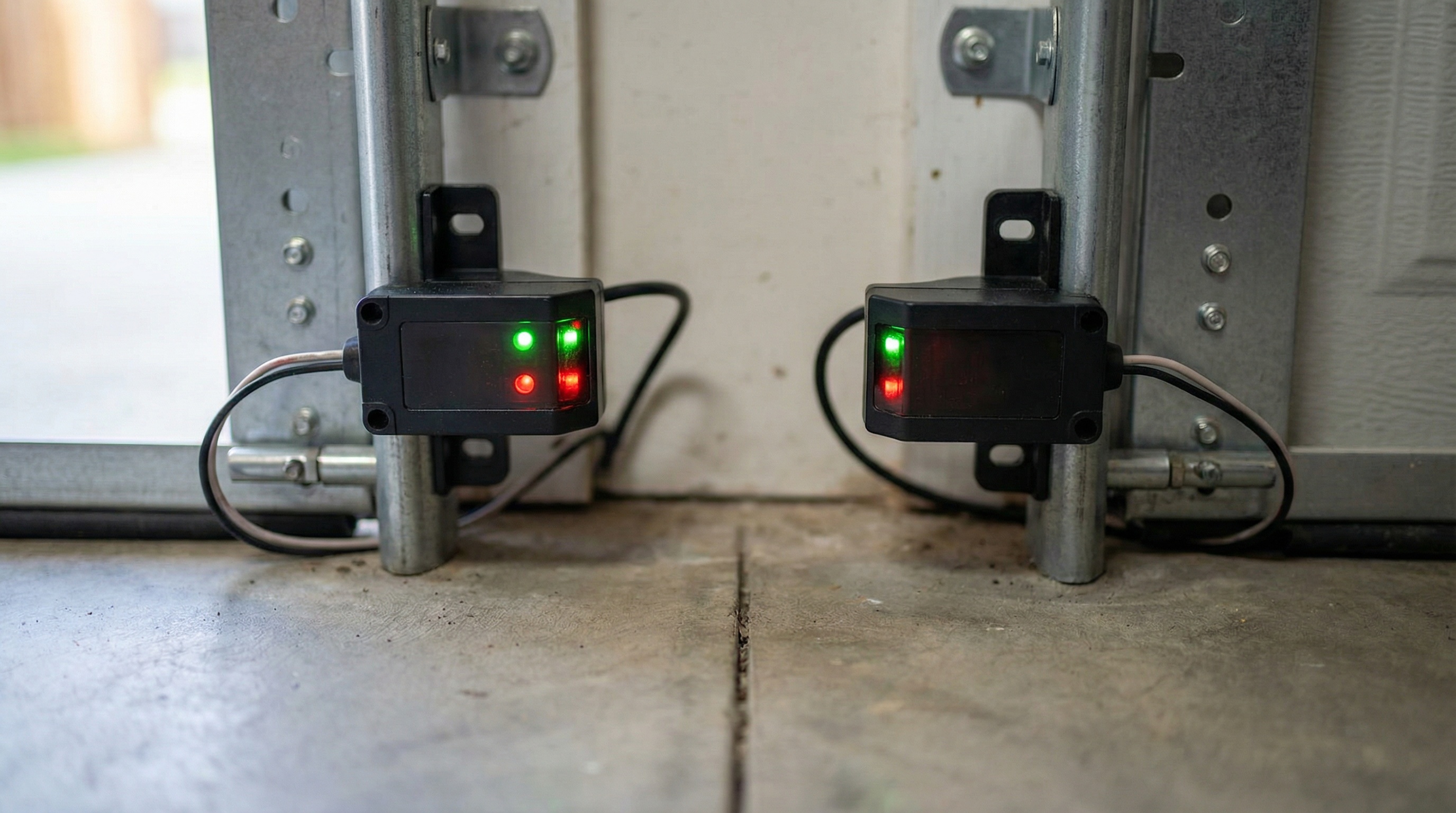
Modern garage doors rely heavily on photoelectric safety sensors positioned near the base of your tracks. These sensors create an invisible beam across your garage opening, and if anything interrupts this beam, your door will refuse to close as a safety precaution.
The sensors can become misaligned from vibrations, accidental bumps, or even settling of your home's foundation. When misaligned, one sensor light will typically be off or blinking, signaling the problem. You might also notice the door starts to close but immediately reverses direction.
To check your sensors, look for small LED lights on each unit. Both should be solid and the same color when properly aligned. If one is blinking or off, gently adjust the sensor until both lights are steady. Also, clean the sensor lenses with a soft cloth, as dust and spider webs are surprisingly common culprits in Wayne's climate. If you're still experiencing issues after alignment, you may want to explore why your garage door won't close even though the sensors are aligned for more advanced troubleshooting.
Sometimes the solution is simpler than you think. Small objects like tools, leaves, rocks, or even ice can block your door's path and trigger the safety system. Your garage door is designed to detect even minor obstructions and will stop or reverse to prevent damage.
Start by visually inspecting the entire area around your tracks and under the door. Look for anything that might be in the way, including items that may have fallen from shelves or blown in from outside. Even something as small as a pebble can cause problems. If your door keeps reversing after starting to close, learn more about why garage doors go down then come back up.
Next, examine your tracks themselves. Bent or damaged tracks can prevent smooth operation and cause your door to jam partway down. You might hear grinding sounds or notice the door moving unevenly. If you spot bent sections, avoid trying to straighten them yourself, as this requires specialized tools and expertise.
Safety Tip: Never attempt to force a garage door closed if it's encountering resistance. This can cause serious damage to the door mechanism and potentially create safety hazards.
Garage door springs bear the entire weight of your door, making them one of the most critical components. When springs break, you'll often hear a loud snapping sound, and your door may become extremely heavy or refuse to move entirely. This is particularly common in Wayne due to temperature fluctuations that stress the metal over time.
There are two types of springs to be aware of. Torsion springs mount above your door and typically last longer, while extension springs run along the sides and are more prone to wear. If you suspect a broken spring, don't attempt to operate the door manually, as this can be dangerous due to the extreme tension involved.
Opener problems present differently but are equally frustrating. You might hear the motor running without the door moving, experience inconsistent operation, or notice blinking lights on your opener unit. Sometimes the issue is as simple as a tripped circuit breaker or a disconnected emergency release cord that needs to be reengaged. For situations where the motor runs but the door doesn't move, check out our guide on garage doors not opening with the motor.
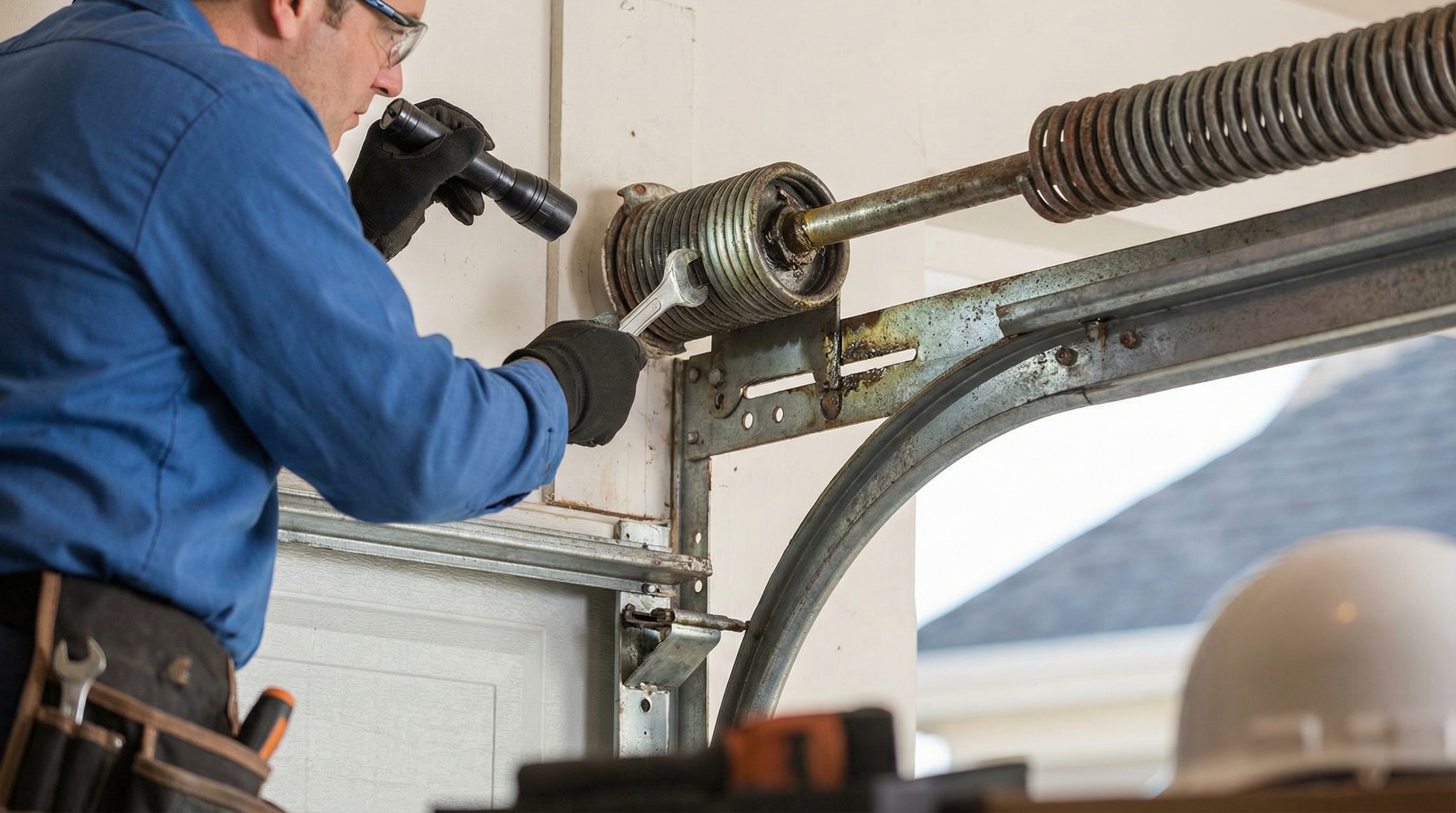
While some garage door issues can be resolved with basic troubleshooting, others require professional expertise for safety and effectiveness. Additionally, if basic troubleshooting like cleaning sensors and clearing obstructions doesn't resolve the issue, it's time for expert diagnosis. For a comprehensive overview of common problems, review what would cause the garage door not to close.
Local Wayne garage door repair technicians understand the specific challenges posed by North Pennsylvania weather, from summer heat that can affect metal components to winter temperature swings that stress springs. They have the proper tools and training to safely diagnose and repair complex issues while ensuring your system operates reliably for years to come. If you're in nearby areas, you can also find helpful information about garage door issues in Norristown or King of Prussia.
A garage door that won't close isn't just an inconvenience; it compromises your home's security and can disrupt your daily routine. By understanding the common causes and knowing when to seek professional help, you can address problems quickly and safely. Remember that while some fixes are straightforward, others require specialized knowledge to prevent injury and ensure lasting repairs.
The most common reasons include misaligned or dirty safety sensors (80% of cases), obstructions in the tracks or door path, broken springs, dead remote batteries, or opener malfunctions. Start by cleaning your safety sensors and checking for any debris blocking the door's path, as these simple fixes resolve most issues immediately.
Blinking sensors indicate misalignment or obstruction. First, clean both sensor lenses with a soft cloth to remove dust and spider webs. Then gently adjust the sensors until they face each other directly and both LED lights are steady and the same color. If the problem persists after alignment, you may have wiring issues that require professional repair.
No, never attempt to repair or replace garage door springs yourself. Springs are under extreme tension and can cause serious injury or death if handled improperly. If you hear a loud snapping sound or notice your door feels unusually heavy, contact a certified garage door technician in Wayne immediately for safe professional repair.
Call a professional if you notice broken springs, severely bent tracks, loud snapping sounds, doors that feel extremely heavy when lifted manually, or if basic troubleshooting like cleaning sensors doesn't resolve the issue. Local Wayne technicians understand North Pennsylvania weather challenges and have the proper tools to safely diagnose and repair complex problems.
Get your garage door back on track today!


