
A garage door can come off track due to worn rollers, loose hardware, bent tracks, sudden impact, or broken lift cables. These issues are particularly common in Wayne, Pennsylvania, where daily use combined with temperature fluctuations and seasonal weather changes put extra stress on garage door components.
When your garage door derails, it becomes both a safety hazard and a major inconvenience. Understanding what causes these problems helps you recognize warning signs early and take preventive action before you need emergency repairs.
Important Safety Note: Never attempt to operate or manually move a garage door that has come off track, as this can cause serious injury or further damage to your property.
Your garage door relies on a precise system of tracks, rollers, and hardware to open and close smoothly. The tracks guide metal or nylon rollers that support the door's weight as it moves up and down. When any part of this system fails or becomes misaligned, the rollers can slip out of their designated path.
Think of it like a train on railroad tracks. Just as a train needs perfectly aligned rails to stay on course, your garage door needs straight, clean tracks and properly functioning rollers to operate safely. Even small problems can quickly escalate into complete derailment.
In Wayne's climate, where temperatures can swing from freezing winters to scorching summers, metal components expand and contract regularly. This constant movement gradually loosens hardware and wears down moving parts, making track problems more likely over time.
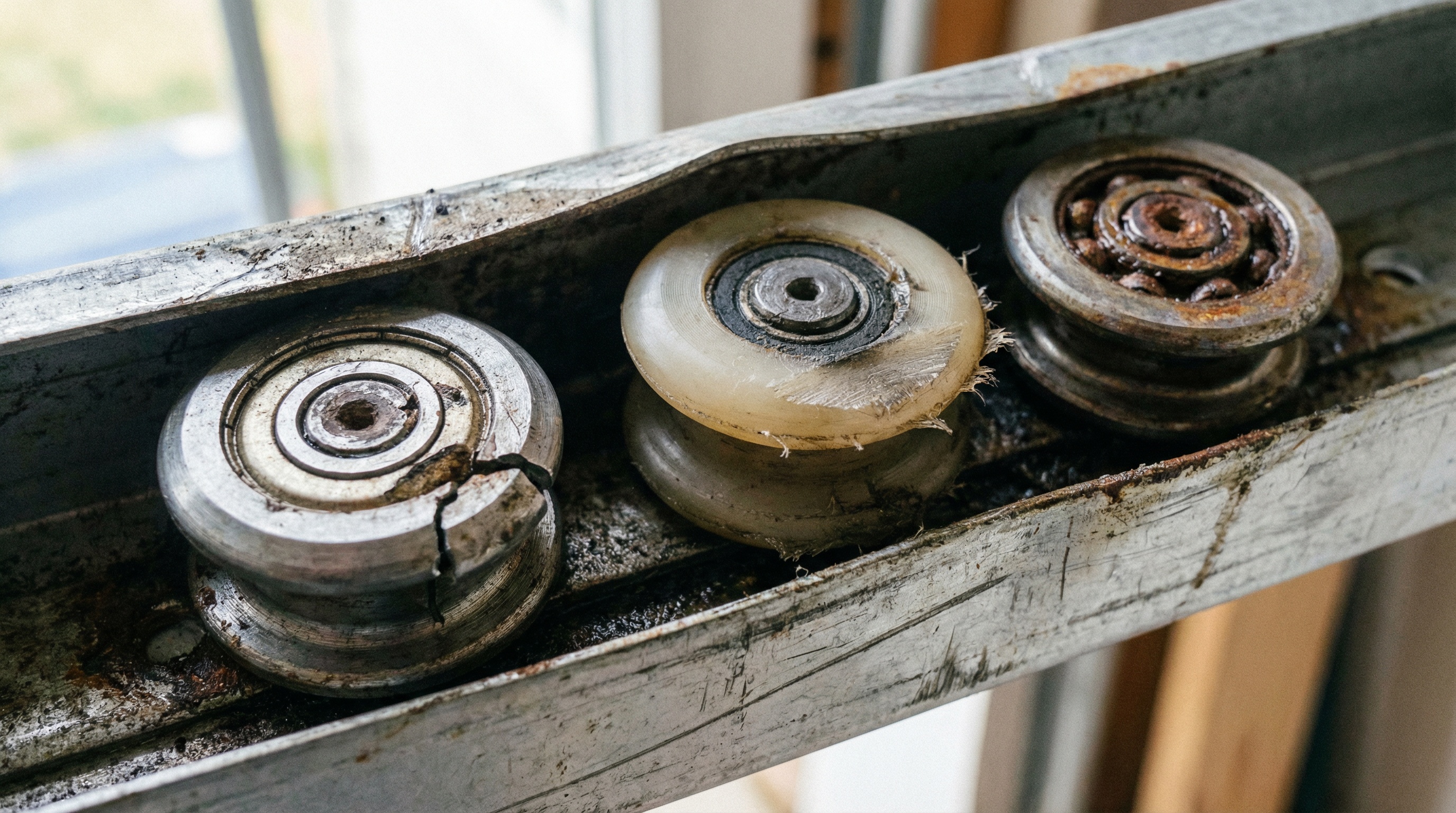
Several specific issues can cause your garage door to jump its tracks. Worn or damaged rollers top the list of culprits. These small wheels bear the entire weight of your door as it moves, and they gradually wear down from friction and use. When rollers crack, chip, or lose their smooth rolling action, they can catch on the track and force the door out of alignment.
Loose or damaged hardware creates another major risk. Your garage door system includes dozens of bolts, brackets, hinges, and cables that must work together perfectly. Vibrations from daily use gradually loosen these connections. Even one loose bolt can shift the track position enough to cause problems.
Physical impact ranks as the most sudden cause of derailment. Whether from accidentally backing into a partially open door or hitting it with lawn equipment, any collision can bend tracks or knock rollers out of position instantly. Similar issues affect homeowners throughout the region, including those experiencing garage door track problems in Conshohocken.
Broken lift cables present a particularly dangerous scenario. These cables help support the door's weight during operation. When one cable snaps, the door becomes unbalanced and can pull to one side, forcing rollers out of their tracks.
Your garage door usually gives clear warning signals before completely derailing. Uneven movement during opening or closing often indicates developing problems. You might notice one side of the door moving faster than the other, or the door appearing crooked as it travels.
Strange noises provide another important clue. Grinding, scraping, or squealing sounds suggest rollers are struggling to move smoothly through the tracks. These sounds often get progressively louder as problems worsen. Learning to identify signs of garage door misalignment can help you catch issues before they become serious.
Visual inspection can reveal gaps between rollers and tracks, bent or damaged track sections, or rollers that appear worn or cracked. If you notice any of these signs, stop using your garage door immediately and have it inspected by professionals.
Quick Check: Disconnect your garage door opener and try lifting the door manually. It should move smoothly and stay in place when released halfway up. If it feels heavy, jerky, or won't stay put, you likely have spring or track issues.
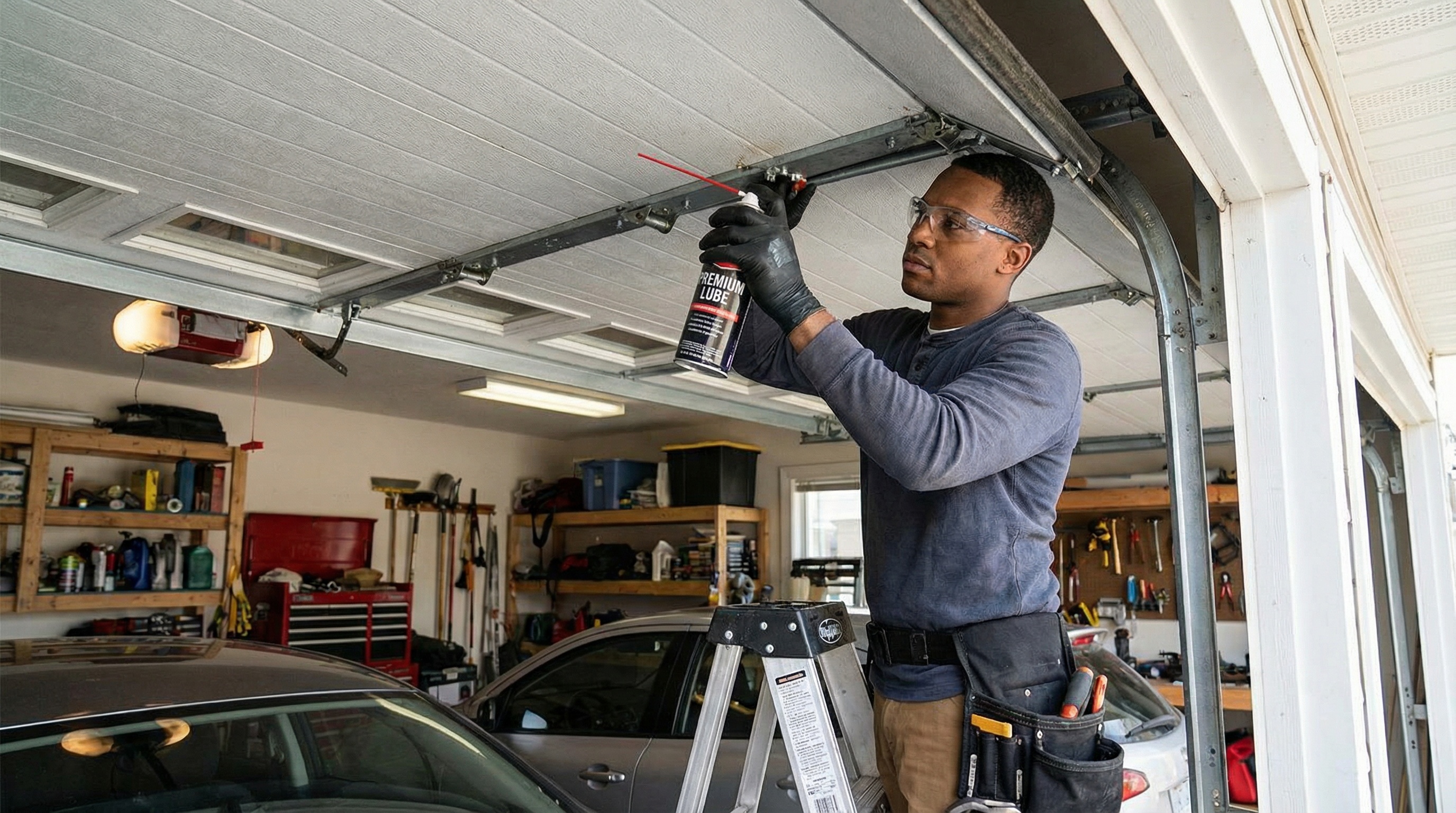
Regular maintenance prevents most track problems before they start. Clean your tracks monthly, removing dirt, leaves, and debris that can interfere with roller movement. Use a damp cloth to wipe down track surfaces, paying special attention to the curved sections where debris tends to accumulate.
Lubricate moving parts every six months using garage door specific lubricant. Apply a light coating to rollers, hinges, and track surfaces. Avoid using heavy oils or grease, which attract dirt and can actually make problems worse.
Inspect hardware connections quarterly, tightening any loose bolts or brackets you can safely reach. However, never attempt to adjust springs, cables, or other high-tension components yourself, as these can cause serious injury if handled improperly. Homeowners in nearby communities like King of Prussia face similar maintenance challenges due to comparable weather conditions.
Test your door's balance regularly by disconnecting the opener and lifting the door manually. A properly balanced door should stay in place when released at any point during its travel. If it falls or springs upward, you need professional spring adjustment.
ComponentMaintenance FrequencyDIY SafeTrack cleaningMonthlyYesLubricationEvery 6 monthsYesHardware inspectionQuarterlyYesSpring adjustmentAs neededNoCable replacementAs neededNo
While basic maintenance falls within most homeowners' capabilities, track repairs require professional expertise. The springs and cables in your garage door system operate under extreme tension and can cause serious injury if mishandled.
Professional technicians have the tools and training to safely realign tracks, replace worn components, and adjust spring tension properly. They can also identify potential problems before they cause complete failure, saving you money on emergency repairs. Whether you're dealing with misalignment issues in Norristown or track problems in King of Prussia, experienced professionals can diagnose and fix the issue quickly.
In Wayne's competitive service market, choose a company with local experience who understands how Pennsylvania weather affects garage door systems. Look for technicians who offer same-day service and stand behind their work with solid warranties.
Emergency Tip: If your garage door comes off track, secure the area to prevent anyone from walking under it, and call for professional help immediately. Don't attempt temporary fixes that could make the situation more dangerous.
Understanding what causes garage doors to derail helps you maintain your system properly and recognize problems early. With regular care and prompt professional attention when needed, you can keep your garage door operating safely for years to come. Remember that prevention costs far less than emergency repairs, and safety should always be your top priority when dealing with garage door issues.
The most common causes include worn or damaged rollers, loose hardware connections, bent or misaligned tracks, sudden vehicle impact, broken lift cables, and debris obstructing the tracks. In Wayne's climate, temperature fluctuations and humidity can accelerate wear on these components, making regular maintenance especially important.
No, it's not safe to attempt repairs yourself. Garage door springs and cables operate under extreme tension and can cause serious injury if mishandled. While basic maintenance like cleaning tracks and lubricating rollers is safe for homeowners, any track realignment or component replacement should be handled by professional technicians with proper tools and training.
Repair costs typically range from $150 to $500 depending on the extent of damage, parts needed, and labor required. Simple roller replacement may cost less, while extensive track realignment or cable replacement can be more expensive. Professional services often offer same-day repairs with transparent pricing and warranties on their work.
Regular maintenance is key to prevention. Clean tracks monthly to remove debris, lubricate rollers and hinges every six months with garage door specific lubricant, inspect and tighten loose hardware quarterly, and test door balance regularly. Schedule annual professional inspections to catch potential problems early before they cause complete derailment.
Get your garage door back on track today!


