
A garage door typically comes off track due to broken cables, worn rollers, track misalignment, or accidental impact. In Conshohocken, Pennsylvania, an off-track garage door creates more than just inconvenience. It compromises your home security, disrupts daily routines, and poses serious safety hazards if left unaddressed.
Important Safety Note: Never attempt to operate an off-track garage door. The door could suddenly fall, causing injury or property damage. Always disconnect the opener and call a professional immediately.
Understanding why garage doors derail helps you recognize warning signs early and take preventive action. Whether you're dealing with strange noises, uneven movement, or a completely stuck door, knowing the root causes empowers you to make informed decisions about repairs and maintenance.
Your garage door operates on a carefully balanced system of metal tracks, rollers, cables, and springs. The tracks guide the door's movement as it opens and closes, while rollers attached to each panel slide smoothly along these paths. Tension cables and torsion springs counterbalance the door's weight, making it possible to lift hundreds of pounds with minimal effort.
When all components work together properly, your garage door operates quietly and smoothly. However, when one element fails or becomes misaligned, it creates a domino effect that can force the entire door off its track. The system relies on precise alignment and proper tension to function safely.
Regular maintenance keeps these components in sync, but normal wear and tear, weather exposure, and daily use gradually affect their performance. Understanding this interconnected system helps you appreciate why professional diagnosis is often necessary when problems arise.
Lift cables bear significant stress as they help counterbalance your garage door's weight. When one cable breaks or becomes severely frayed, it creates an immediate imbalance. One side of the door rises normally while the other side drags or resists, forcing the rollers out of their tracks.
You'll notice uneven door positioning, loose cables hanging from the mechanism, or jerky movement during operation. Cable failure often happens suddenly, especially during opening when tension is highest. The cables may show signs of wear like fraying or rust before complete failure occurs.
Garage door rollers endure constant friction as they guide the door along its tracks. Over time, they crack, flatten, or wear down completely. Poor-quality rollers or lack of lubrication accelerates this deterioration process.
Worn rollers create loud grinding or squeaking sounds during operation. You might notice vibration or shaking as the door moves, and visual inspection often reveals obvious cracks or deformation. When rollers can't maintain proper contact with the track, they eventually slip out of alignment.
Garage door tracks can shift due to vibration, structural settling, or accidental impact. Even minor misalignment makes it difficult for rollers to stay on course. You'll see gaps between rollers and tracks, uneven spacing along the sides, or difficulty closing the door completely. If you're experiencing these symptoms, learning how to identify garage door misalignment can help you catch problems early.
Misalignment often starts small but worsens over time. Regular inspection helps catch these issues before they cause complete derailment. Professional realignment restores proper spacing and prevents future problems. Homeowners in neighboring areas like King of Prussia face similar track alignment challenges due to comparable climate conditions and housing construction.
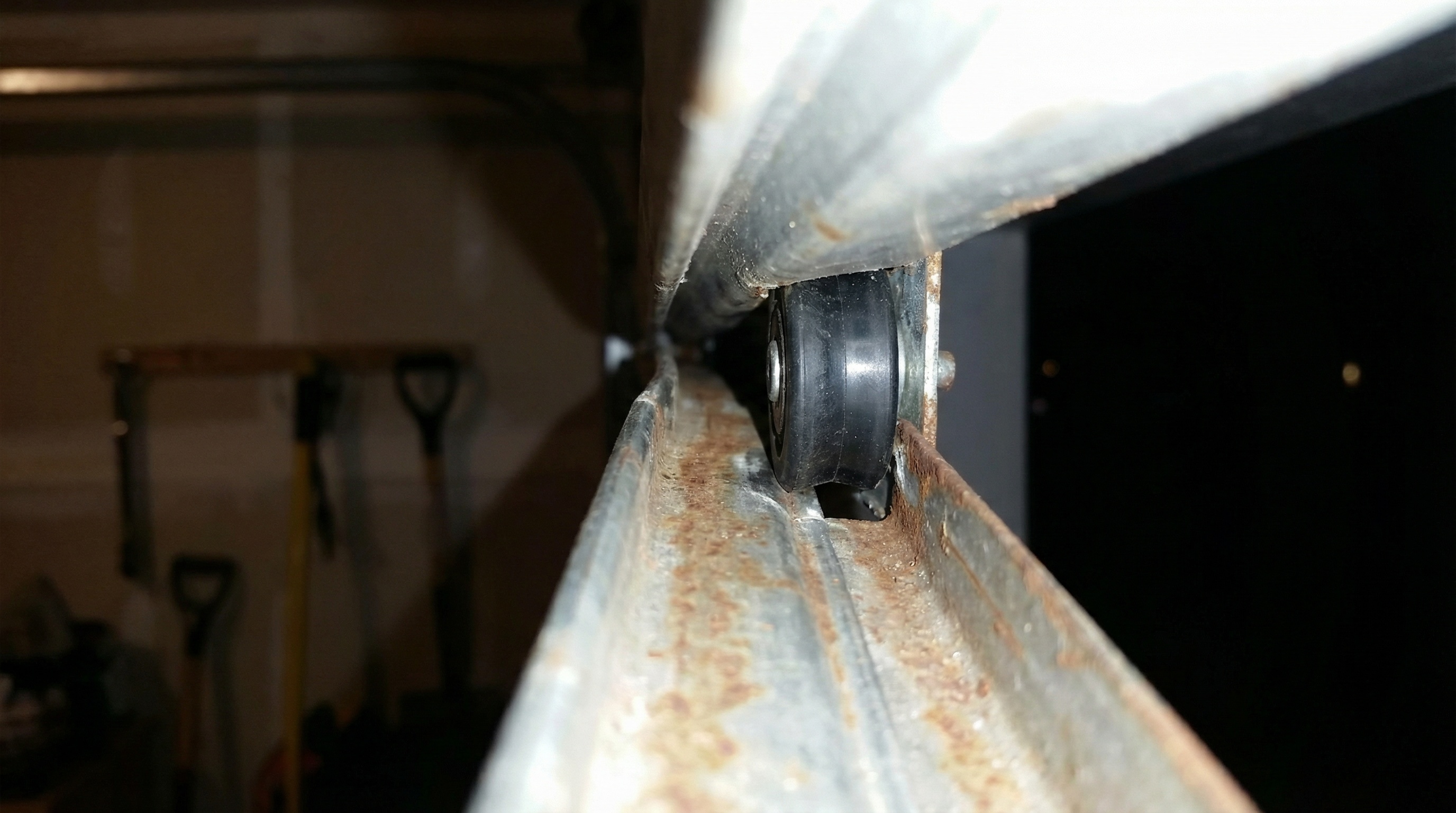
Brackets and bolts securing the track system can loosen from vibration and regular use. This creates instability that allows tracks to shift position. You might hear clicking sounds, notice wobbly tracks, or find screws and bolts on the garage floor.
Small obstructions like stones, leaves, or tools can also force rollers off track. Regular cleaning and inspection prevent most obstruction-related derailments. Even minor impacts from vehicles or stored items can bend tracks enough to cause problems.
Regular maintenance significantly reduces the risk of track derailment. Lubricate moving parts monthly with silicone-based products, focusing on rollers, hinges, and tracks. This reduces friction and extends component life.
Inspect your system quarterly for signs of wear. Look for frayed cables, cracked rollers, loose hardware, and track alignment. Tighten any loose bolts or brackets you can safely reach. Clear debris from tracks and the area around your garage door regularly. Understanding the warning signs of misalignment in Norristown can help you apply similar inspection techniques to your own garage door system.
Professional Tip: Schedule annual professional inspections to catch problems early. Technicians can identify worn components and make adjustments before they cause major failures.
However, avoid DIY repairs on springs, cables, or major alignment issues. These components operate under high tension and require specialized tools and training. Attempting these repairs yourself risks serious injury and often worsens the problem.
Contact a garage door repair specialist immediately if your door comes off track, makes unusual noises, or operates unevenly. Professional technicians have the expertise and equipment to safely realign tracks, replace damaged components, and restore proper operation.
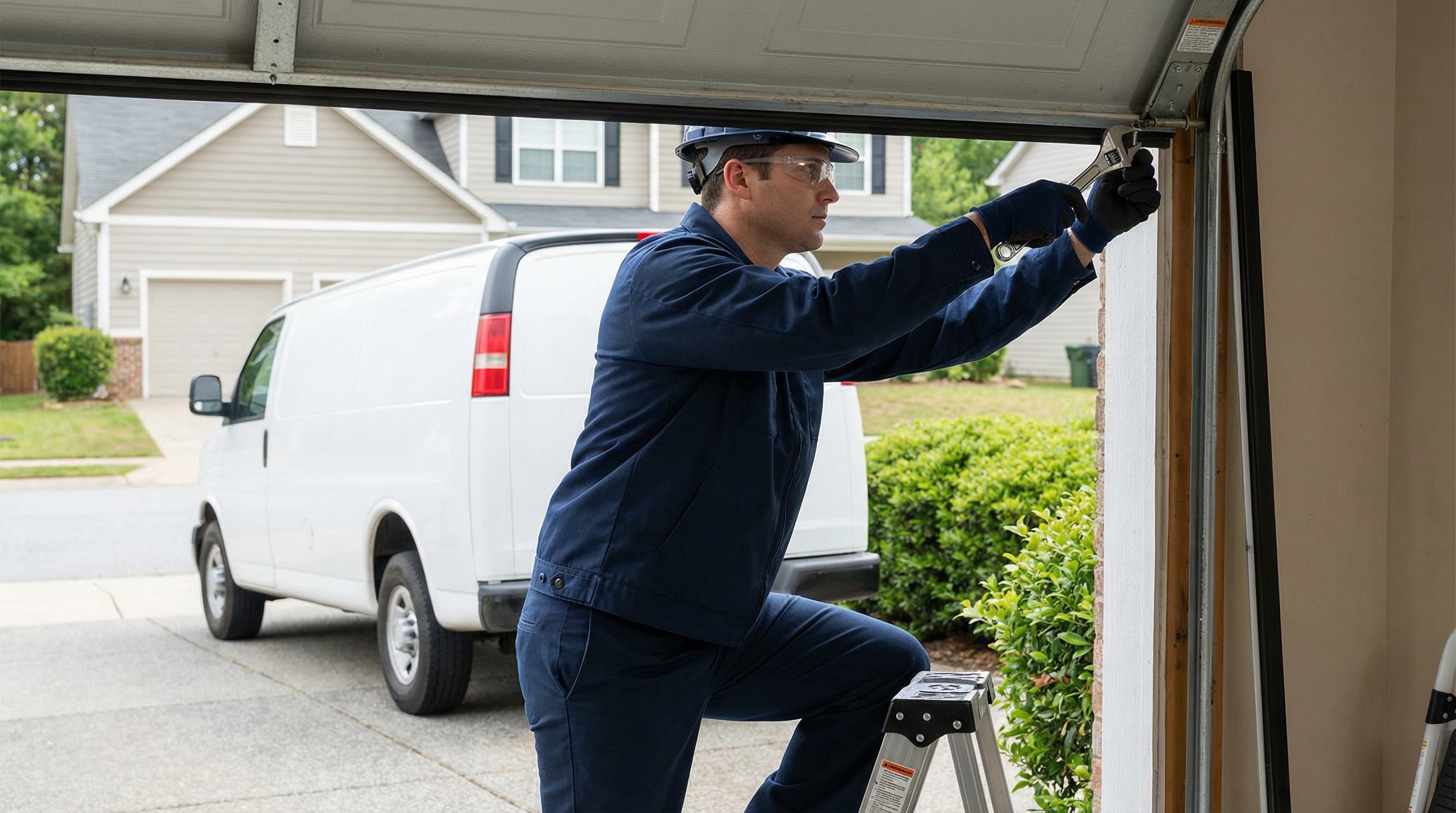
Professionals can also identify underlying issues that might not be obvious to homeowners. They'll inspect the entire system, not just the immediate problem, ensuring long-term reliability. Most reputable companies offer emergency services for situations that compromise your home's security. Many of the same track derailment issues affecting Wayne residents also impact Conshohocken homeowners, making local expertise valuable.
Early intervention costs less than waiting for complete system failure. A minor track adjustment or roller replacement prevents more extensive damage to your door, opener, and garage structure. Professional repairs also come with warranties that protect your investment. Residents in nearby King of Prussia can also benefit from understanding specific misalignment indicators that apply across the Greater Philadelphia metroplex.
Understanding what causes garage doors to come off track helps you maintain a safe, functional system. While some maintenance tasks are suitable for homeowners, major repairs require professional expertise. Regular inspections, proper lubrication, and prompt attention to warning signs keep your garage door operating smoothly for years to come. When problems do arise, don't hesitate to contact qualified technicians who can restore your door's safety and reliability.
While minor track realignments might seem manageable, garage door systems operate under high tension and require specialized tools and training. Attempting DIY repairs on springs, cables, or major alignment issues risks serious injury and often worsens the problem. For safety and proper repairs in Conshohocken, contact professional technicians who have the expertise to handle these dangerous components.
Garage door track repair costs in Conshohocken typically range from $150-$400 depending on the extent of damage. Simple roller replacements average around $200, while full track realignment can cost approximately $300. The exact price depends on whether cables, springs, or tracks need replacement. Contact Family Christian Doors for a free estimate and no service call fees.
Watch for grinding or squeaking sounds during operation, uneven door positioning, visible gaps between rollers and tracks, jerky movement, loose cables, or difficulty closing completely. You might also notice vibration, shaking, or clicking sounds from loose hardware. If you observe any of these signs, schedule an inspection immediately to prevent complete derailment.
Regular maintenance is key to prevention. Lubricate moving parts monthly with silicone-based products, inspect the system quarterly for worn components and loose hardware, keep tracks clear of debris, and schedule annual professional inspections. Tighten accessible bolts and brackets, but avoid DIY repairs on high-tension components like springs and cables.
Get your garage door back on track today!


