
No, you should never use a garage door with a broken spring. It creates serious safety risks and can damage your entire garage door system. When a spring breaks, your garage door loses the counterbalance that makes it safe to operate, turning what should be a simple daily task into a potential hazard.
A broken garage door spring is one of the most common yet dangerous issues homeowners face. The spring system is what makes your heavy garage door manageable to lift and lower safely. Without it, you're dealing with the full weight of the door, which can exceed 200 pounds. Without spring support, the full weight becomes uncontrolled and dangerous to handle manually.
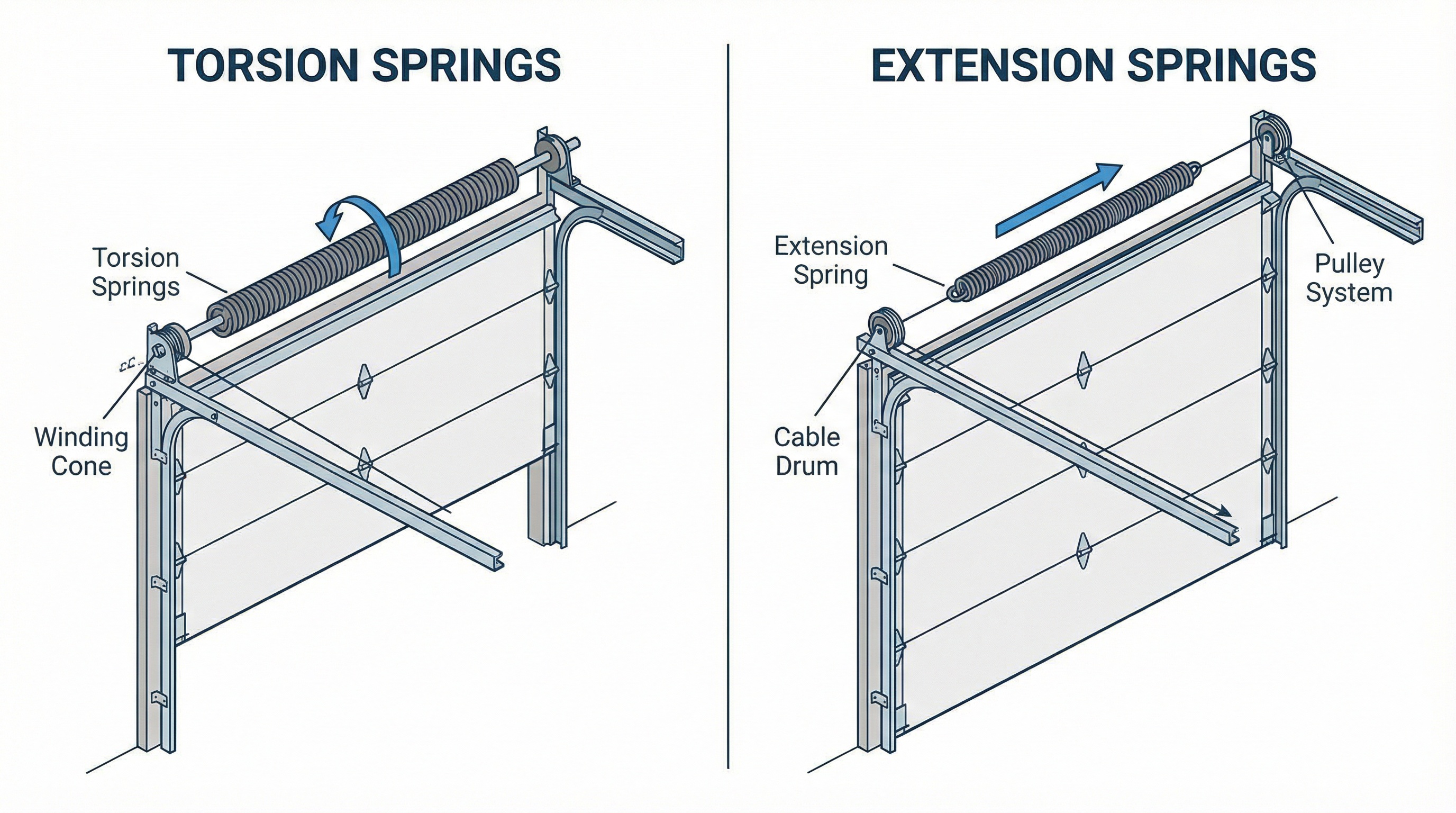
Your garage door relies on a spring system to counterbalance its weight during operation. There are two main types of springs used in residential garage doors. Torsion springs mount above the door and twist to store and release energy. Extension springs run along the tracks on either side of the door, stretching and contracting as the door moves.
These springs are engineered to handle thousands of opening and closing cycles, typically around 10,000 cycles for standard springs. When functioning properly, they make your garage door feel almost weightless to lift. The garage door opener works in partnership with these springs, not against the full weight of the door.
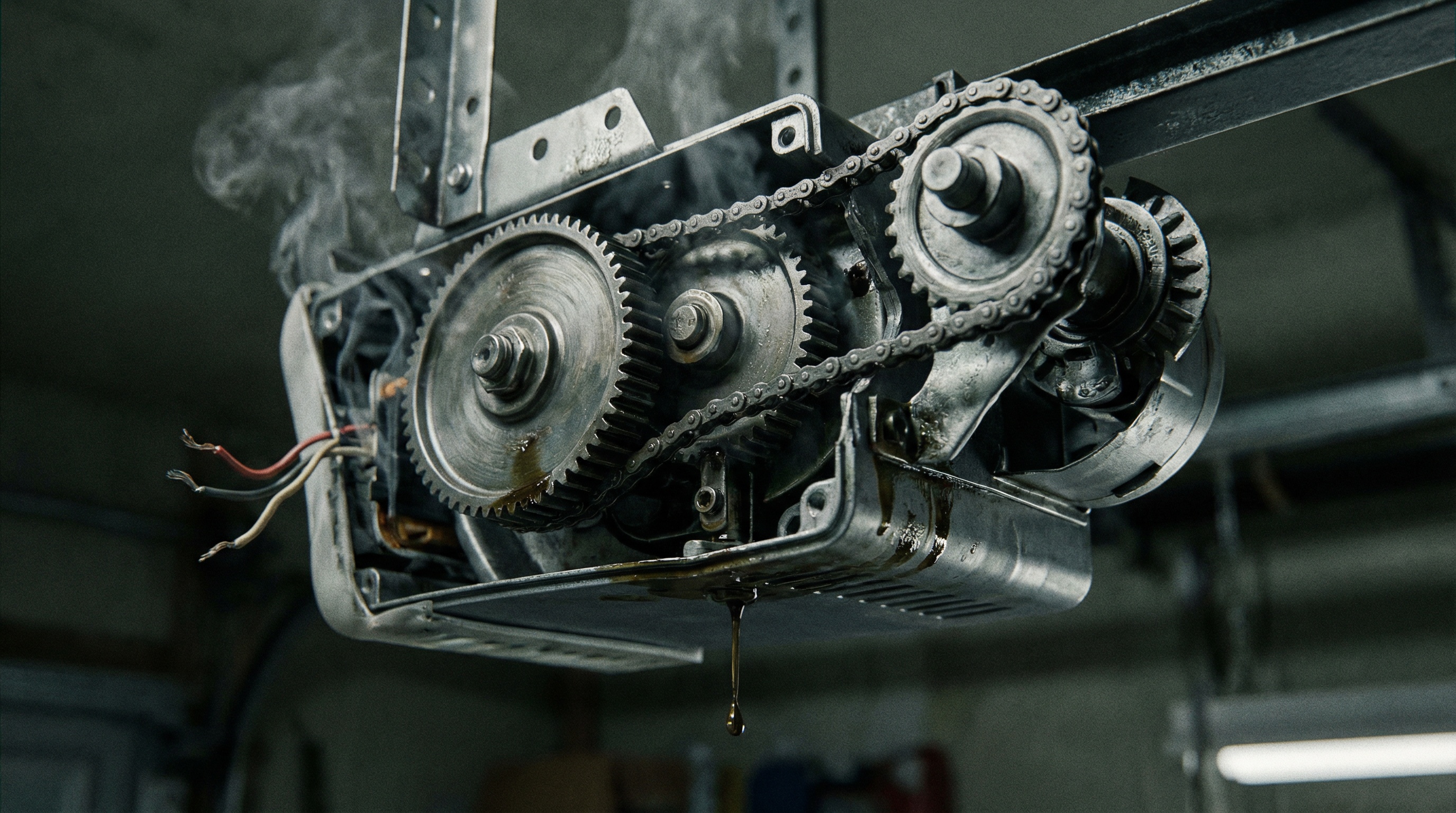
When a spring breaks, this delicate balance is destroyed. Your opener suddenly has to handle the entire weight of the door, which it simply wasn't designed to do. This puts enormous strain on the motor, drive chain, and other components.
Using a garage door with a broken spring puts you and your family at risk in several ways. The most immediate danger is the door's unpredictable behavior. Without spring support, the door can slam shut without warning, potentially causing serious injury to anyone underneath.
The door may also become stuck partway open, creating an unstable situation where it could fall at any moment. Even if you manage to lift it manually, controlling its descent becomes nearly impossible. The door's weight distribution changes dramatically when springs fail, making it difficult to predict how it will behave during lifting or lowering.
Important: Garage door springs are under extreme tension. When they break, they often make a loud snapping sound and can cause the door to become completely inoperable.
Identifying a broken spring early can prevent dangerous situations and additional damage to your garage door system. The most obvious sign is a loud bang or snapping sound coming from your garage, which indicates a spring has just broken under tension.
You might notice your garage door struggling to open or refusing to lift at all. The door may appear crooked or uneven when attempting to open, or it might only rise a few inches before stopping. Your garage door opener may make grinding or straining noises as it tries unsuccessfully to lift the unsupported weight. If you're uncertain about the condition of your springs, learn how to identify if your garage door spring is broken.
Visual inspection can also reveal spring problems. With torsion springs, you may see a visible gap in the spring coils where the break occurred. Extension springs might appear stretched beyond their normal length or show signs of wear and fraying.
Warning SignWhat It MeansAction NeededLoud bang from garageSpring likely snappedStop using door immediatelyDoor won't openSpring support lostCall professional repairCrooked door movementUneven spring tensionAvoid manual operationOpener strugglingMotor overworkedDisconnect opener
Continuing to use your garage door with a broken spring doesn't just risk injury, it can destroy other components of your system. Your garage door opener will work overtime trying to compensate for the missing spring support, often leading to motor burnout or drive gear failure.
The cables that help guide your door's movement can slip, fray, or snap entirely when forced to operate under excessive strain. This can cause your door to go off track, creating an even more expensive repair situation. The door panels themselves may warp or bend from uneven stress distribution.
When you notice signs of a broken spring, the best course of action is to disconnect your automatic opener and leave the door closed until professional repair can be arranged. This prevents additional damage and keeps your family safe from potential injury. If you absolutely must access your garage, understand the risks before attempting to manually open a garage door with a broken spring.
Pro Tip: Regular maintenance and annual inspections can help identify worn springs before they break, preventing emergency situations and extending your garage door system's lifespan.
Professional garage door technicians have the proper tools, training, and safety equipment to handle spring replacement safely. They can also inspect other components for damage and ensure your entire system returns to safe, reliable operation. While it might be tempting to attempt repairs yourself, garage door springs are under extreme tension and require specialized knowledge to handle safely. Before considering DIY repairs, read about whether you can replace a garage door spring yourself to understand the risks involved.
Remember that your garage door is an important security feature for your home. Keeping it in proper working condition protects both your family's safety and your property's security. It's also worth noting that garage door springs are not universal, so professional assessment ensures you get the correct replacement parts for your specific door system.
No, it is extremely dangerous to use a garage door with a broken spring. Without the spring's counterbalance support, your garage door loses stability and can slam shut without warning, potentially causing serious injury. The door's full weight of over 200 pounds becomes uncontrolled, making it unsafe for manual operation and putting excessive strain on your garage door opener.
Key warning signs include a loud bang or snapping sound from your garage, the door refusing to open or only lifting a few inches, crooked or uneven door movement, and your garage door opener making grinding or straining noises. You may also notice visible gaps in torsion spring coils or extension springs that appear overstretched or frayed.
You should not attempt to manually open a garage door with a broken spring. Without spring support, you'll be lifting the door's full weight of 200+ pounds, which can cause back injuries, strained muscles, or pinched fingers. The door can also slip and fall unexpectedly, creating a dangerous crushing hazard. If you must access your garage, disconnect the opener and call a professional immediately.
Continuing to use a garage door with a broken spring can cause extensive damage to your entire system. Your garage door opener motor can burn out from overwork, drive gears may fail, cables can slip or snap, and the door may go off track. Door panels can also warp or bend from uneven stress distribution, leading to costly repairs that far exceed the cost of simple spring replacement.
Get your garage door back on track today!


