
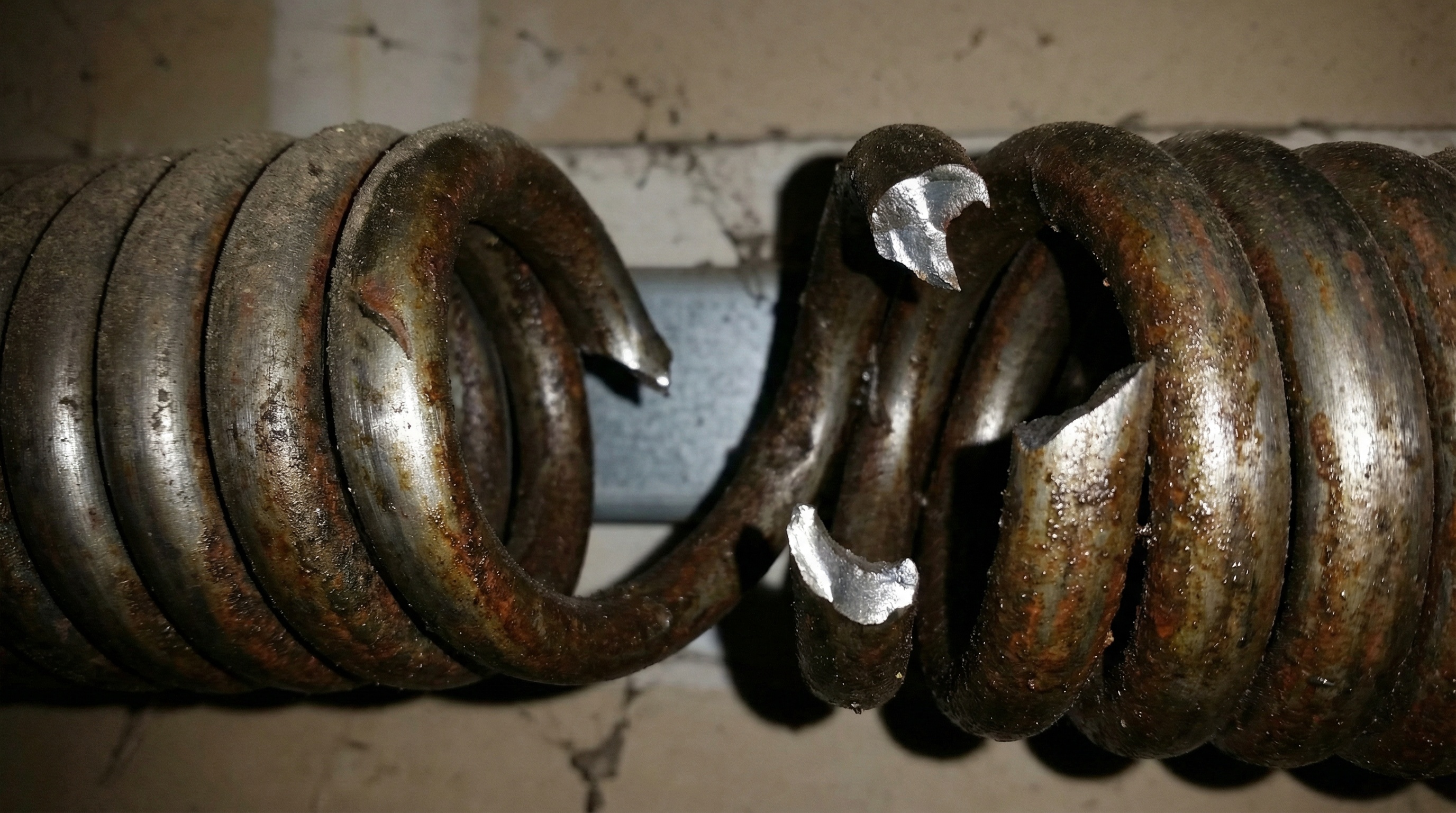
Yes, most damaged garage doors can be repaired rather than replaced. The key factors that determine repairability include the extent of damage, age of the system, and whether structural integrity remains intact. The most common problems homeowners encounter include broken torsion springs that help lift the door's weight, dented or bent panels from vehicle impacts, and misaligned tracks that cause jerky movement.
Weather-related damage often affects the door's weather stripping and insulation, while mechanical components like rollers and hinges wear out over time. Garage door openers can also malfunction due to electrical issues or worn gears, preventing proper remote control operation.
Track and roller issues are usually straightforward fixes that restore smooth operation without major expense.
Spring and cable replacement, while requiring professional handling due to high tension, costs significantly less than full door replacement. Safety sensor problems often involve simple adjustments or cleaning rather than component replacement.
Cost Insight: Professional spring replacement typically costs $150-300, while full door replacement ranges from $800-1,500 depending on door type and size.
The age of your system also matters. Doors less than 10 years old with isolated problems are prime candidates for repair, especially when the overall structure remains sound. Understanding whether it's cheaper to repair or replace depends on evaluating these specific factors.
Structural damage represents the clearest indicator that replacement is needed. This includes severely warped panels, compromised door frames, or damage that affects the door's ability to seal properly against weather.
Repeated mechanical failures signal that multiple components are reaching end-of-life simultaneously. In these cases, ongoing repair costs often exceed replacement value within a short timeframe.
Damage TypeRepair CostReplace CostBest ChoiceBroken spring$200-300$1000+RepairDented panel$100-250$1000+RepairStructural damage$500+$1000+ReplaceMultiple failures$400+$1000+Replace
Energy efficiency concerns also drive replacement decisions. Older doors with poor insulation increase heating and cooling costs, making energy-efficient insulated replacements worthwhile investments for long-term savings.
Attempting garage door repairs without proper training creates serious safety risks. Springs under high tension can cause severe injury, while improper track alignment can lead to door collapse. Professional technicians have specialized tools and knowledge to complete repairs safely. Learn more about why you should call a professional instead of DIY repairs.
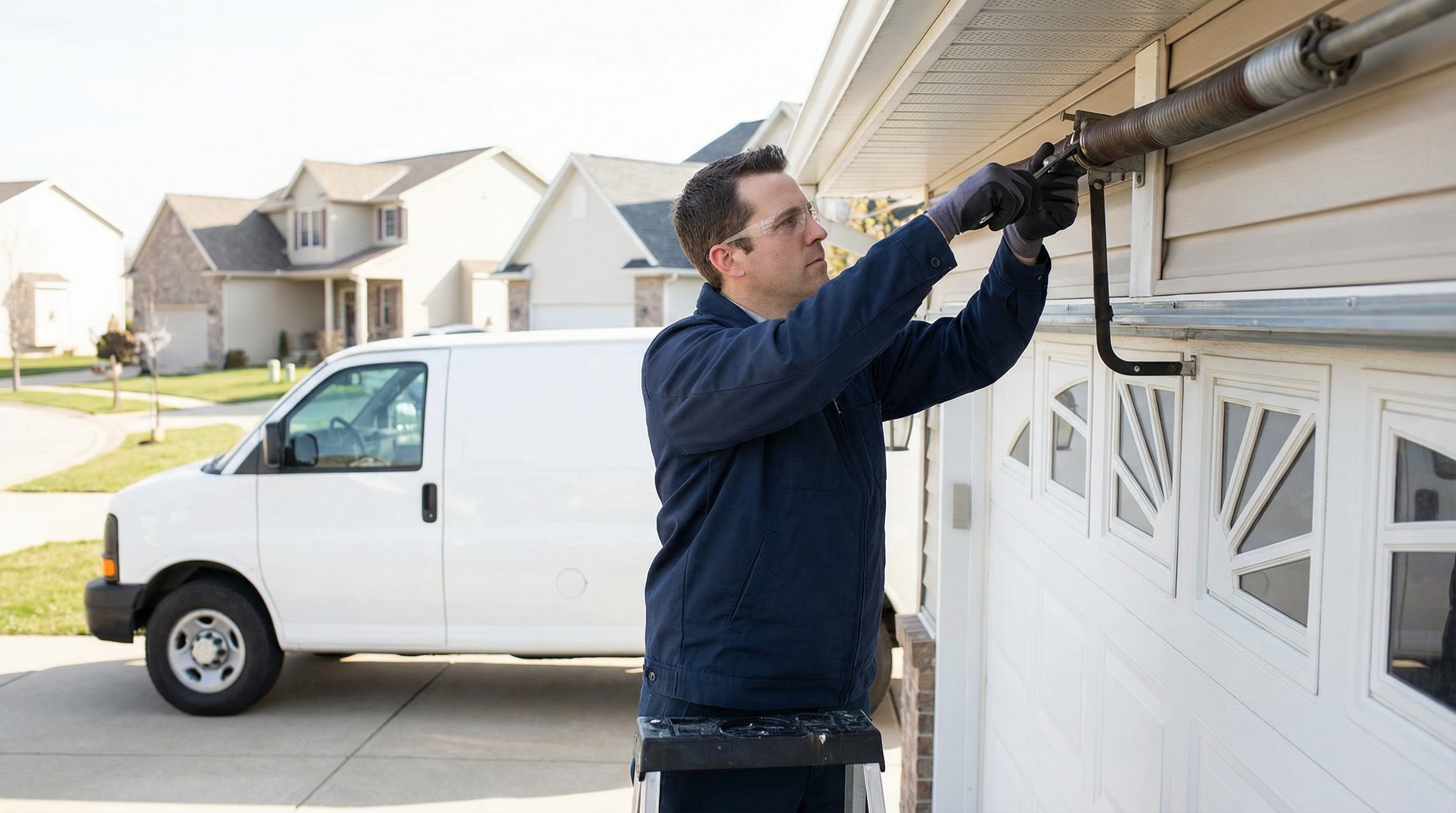
Regular maintenance extends door lifespan and prevents costly emergency repairs. Simple steps like lubricating moving parts every six months, checking for loose hardware, and keeping tracks clean make significant differences in performance. Understanding how often a garage door should be serviced helps you stay on top of preventive care.
Safety Tip: Never attempt to repair broken springs yourself. The stored tension can cause serious injury or property damage if released improperly.
Understanding the difference between minor issues and structural problems helps you make smart decisions about repair versus replacement. When in doubt, consulting with experienced technicians and choosing the right repair company ensures you get reliable solutions that prioritize safety and value for your investment.
Yes, most damaged garage doors can be repaired rather than replaced. About 75% of garage door problems can be fixed through targeted repairs. Common issues like broken springs, dented panels, misaligned tracks, and faulty openers are typically repairable when caught early and handled by professionals.
Professional spring replacement typically costs $150-300, while full door replacement ranges from $800-1,500 depending on door type and size. Minor repairs like dented panels cost $100-250, making repair significantly more cost-effective than replacement for most common issues.
Replacement becomes necessary when there's structural damage like severely warped panels or compromised door frames, repeated mechanical failures affecting multiple components, or when ongoing repair costs exceed replacement value. Doors over 10 years old with extensive damage are often better candidates for replacement.
Never attempt to repair broken springs yourself as they're under high tension and can cause serious injury. Professional technicians have specialized tools and knowledge to complete repairs safely. Simple maintenance like lubricating moving parts can be done yourself, but major repairs require professional expertise.
Get your garage door back on track today!


