
Yes, insulated garage doors are absolutely worth the investment for most homeowners. They provide significant energy efficiency improvements, reduce noise by up to 25 decibels, and can keep your garage about 12 degrees warmer in winter and 25 degrees cooler in summer compared to non-insulated doors. Homeowners with attached garages, those living in areas with extreme temperatures, or anyone who uses their garage as a workspace will see the most benefit from this upgrade.
Quick Fact: A quality insulated garage door typically costs $1,500-$2,000 for a double door but can offset this cost through energy savings and reduced HVAC strain over time.
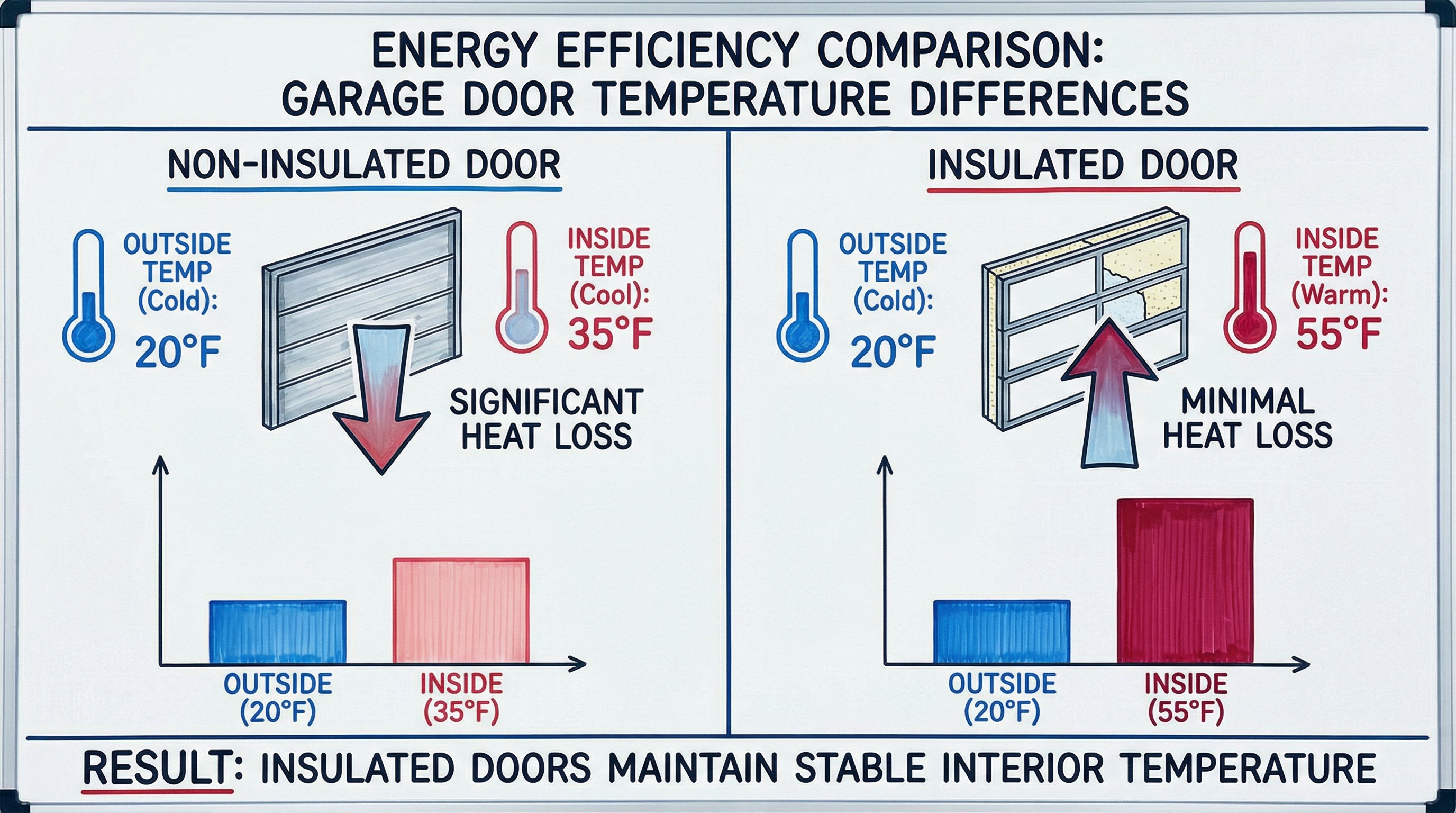
The primary advantage of insulated garage doors lies in their ability to regulate temperature effectively. When your garage shares walls with your living spaces, an uninsulated door allows outdoor heat or cold to penetrate, forcing your HVAC system to work harder.
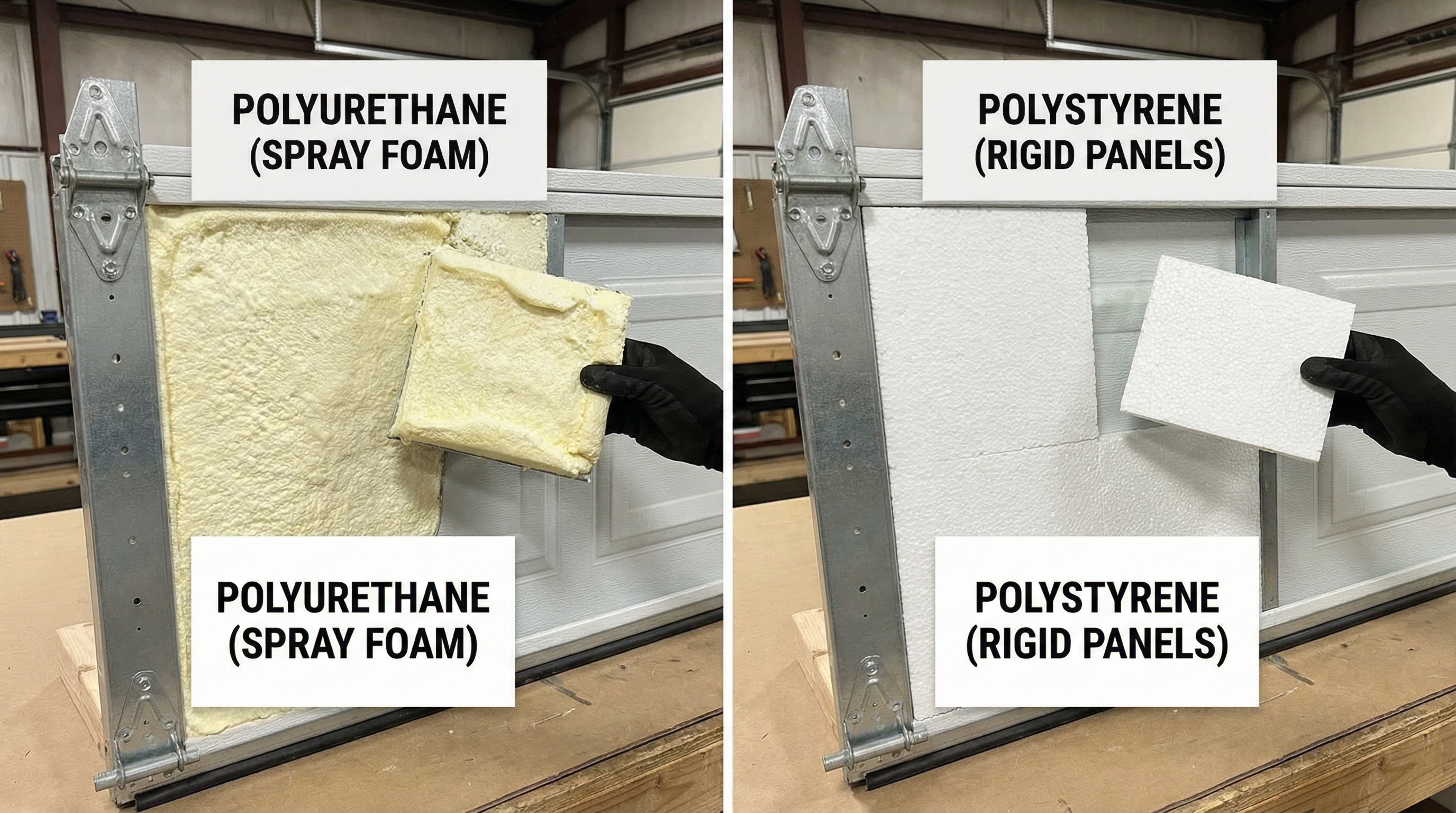
Insulated doors feature multiple layers with materials like polyurethane or polystyrene sandwiched between steel panels. This construction creates a thermal barrier that prevents heat transfer. Most insulated garage doors offer R-values between 6 and 18, compared to virtually zero for non-insulated doors.
Beyond energy savings, insulated garage doors dramatically reduce noise pollution. The insulation dampens sound from both external sources and garage activities, creating a quieter environment for your home.
This benefit proves particularly valuable if you live near busy streets, have early morning commuters in your household, or use power tools in your garage. The sound dampening effect can reduce noise transmission by approximately 25 decibels, making a noticeable difference in adjacent rooms.
For homeowners who've converted their garage into a workspace, gym, or hobby area, insulation makes the space more comfortable year-round. You'll experience more stable temperatures and reduced drafts, creating a more pleasant environment for extended use.
Pro Tip: If your garage door faces bedrooms or living areas, the noise reduction alone often justifies the investment in insulated doors.
Insulated garage doors typically outlast their non-insulated counterparts due to their robust construction. The multiple layers and reinforced design make them more resistant to dents, weather damage, and daily wear.
This translates to fewer repair calls and lower maintenance costs over the door's lifetime. Understanding what components wear out in a garage door can help you appreciate how insulated doors minimize these common issues.
The enhanced structural integrity also provides better security. The thicker, multi-layer construction makes forced entry more difficult, adding an extra layer of protection for your home and stored belongings.
FeatureNon-Insulated DoorInsulated DoorLifespan10-15 years15-20 yearsR-Value0-26-18Noise ReductionMinimalUp to 25 decibelsDent ResistanceLowHigh
When selecting an insulated garage door, consider your specific needs and climate conditions. Polyurethane insulation offers superior R-values and structural strength compared to polystyrene, though it comes at a higher price point.
Double-layer doors provide good insulation for moderate climates, while triple-layer construction works best in areas with extreme temperatures. Think about how you use your garage space and whether you need maximum thermal performance or if moderate insulation will suffice.
Consider your garage's relationship to living spaces when making this decision. Attached garages with shared walls or rooms above benefit most from high-performance insulation, while detached garages may not require the highest R-values. When evaluating your options, you may also want to consider whether it's better to repair or replace your existing garage door before making a significant investment.
Selection Tip: Match your insulation level to your climate and usage patterns rather than automatically choosing the highest R-value available.
Professional installation ensures you get the full benefits of your insulated door investment. Proper installation affects both performance and longevity, making it worth working with experienced technicians who understand local climate considerations and building requirements. While some homeowners wonder about replacing a garage door themselves, the complexity of insulated door installation typically warrants professional expertise.
If you're dealing with a damaged door and considering an upgrade, you might want to explore whether damaged garage door panels can be repaired or replaced as part of your decision-making process. Additionally, understanding how often garage doors should be serviced will help you maintain your investment over time.
Insulated garage doors represent a smart investment for most homeowners, delivering measurable benefits in energy efficiency, comfort, and durability. While the upfront cost exceeds non-insulated options, the combination of energy savings, reduced maintenance needs, and improved home value typically justifies the investment within a few years of installation.
Yes, insulated garage doors are worth the investment for most homeowners. They provide 10-20% energy savings, reduce noise by up to 25 decibels, and can keep your garage about 12 degrees warmer in winter and 25 degrees cooler in summer. While they cost $1,500-$2,000 more upfront, they typically pay for themselves within 3-5 years through energy savings and reduced maintenance costs.
Most insulated garage doors offer R-values between 6 and 18. For moderate climates, R-6 to R-9 is sufficient, while areas with extreme temperatures benefit from R-12 to R-18. Polyurethane insulation provides higher R-values and better structural strength compared to polystyrene, making it ideal for maximum thermal performance.
Insulated garage doors typically last 15-20 years compared to 10-15 years for non-insulated doors. The multi-layer construction and reinforced design make them more resistant to dents, weather damage, and temperature fluctuations, resulting in fewer repairs and lower maintenance costs over their lifetime.
Yes, insulated garage doors can reduce noise transmission by approximately 25 decibels. The insulation dampens sound from both external sources and garage activities, making them particularly valuable if you live near busy streets, have early morning commuters, or use your garage as a workspace or hobby area.
Get your garage door back on track today!


