
Your garage door operates thousands of times each year, and certain components bear the brunt of this constant use. The most common parts that wear out are springs, rollers, cables, and opener components. In Upper Darby's climate, where temperature fluctuations and humidity can accelerate wear, understanding these vulnerable components helps you spot problems early and maintain your door's reliability.
Did you know?When you know what to watch for, you can prevent inconvenient breakdowns and avoid safety hazards that come with sudden component failures. Understanding whether to repair or replace a garage door depends largely on which components are failing and their overall condition.
Springs work harder than any other garage door component. They counterbalance your door's weight, making it possible to lift a 150-pound door with minimal effort. Upper Darby homeowners deal with two main spring types.
Torsion springs mount above your garage door and use rotational force to lift and lower the door smoothly. Extension springs stretch along the door's sides, expanding and contracting with each cycle. Both types gradually lose tension through repeated use.
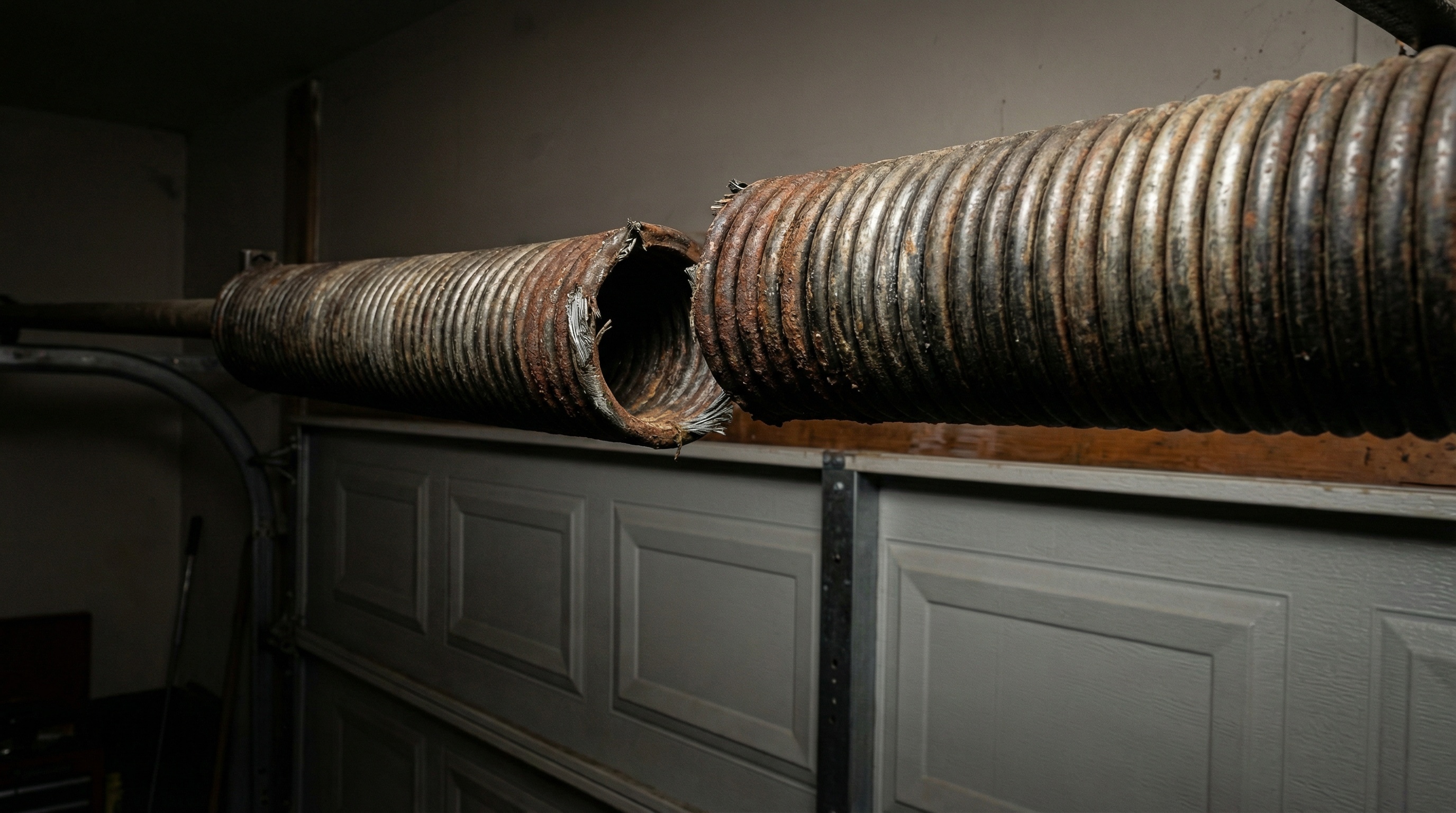
Temperature changes in Upper Darby accelerate spring wear. Hot summers cause metal expansion, while cooler months create contraction stress. You'll know springs are failing when your door feels heavier than usual, lifts unevenly, or makes grinding sounds during operation.
Safety alert: Never attempt spring replacement yourself. These components store dangerous amounts of tension and require professional tools and expertise for safe handling.
Your garage door rollers guide the door along its tracks during every opening and closing cycle. Most Upper Darby homes use steel, nylon, or plastic rollers, each with different lifespans and maintenance needs.
Steel rollers last longest but require regular lubrication to prevent rust and noise. Nylon rollers run quieter and resist weather damage better than plastic alternatives. However, all roller types eventually wear down from friction and debris accumulation.
You'll notice roller problems through increased noise during operation. Grinding, squeaking, or jerky movement signals worn bearings or damaged roller surfaces. Left unchecked, bad rollers strain your opener motor and can damage the track system. If you're wondering whether you should repair a garage door yourself or call a professional, roller replacement is one task best left to experts.
Garage door cables work alongside springs to lift your door safely and evenly. These steel cables handle significant tension and can fray or break without warning. Look for frayed wires, rust spots, or cables that appear loose or misaligned. When cables fail, your door becomes unbalanced and potentially dangerous to operate.
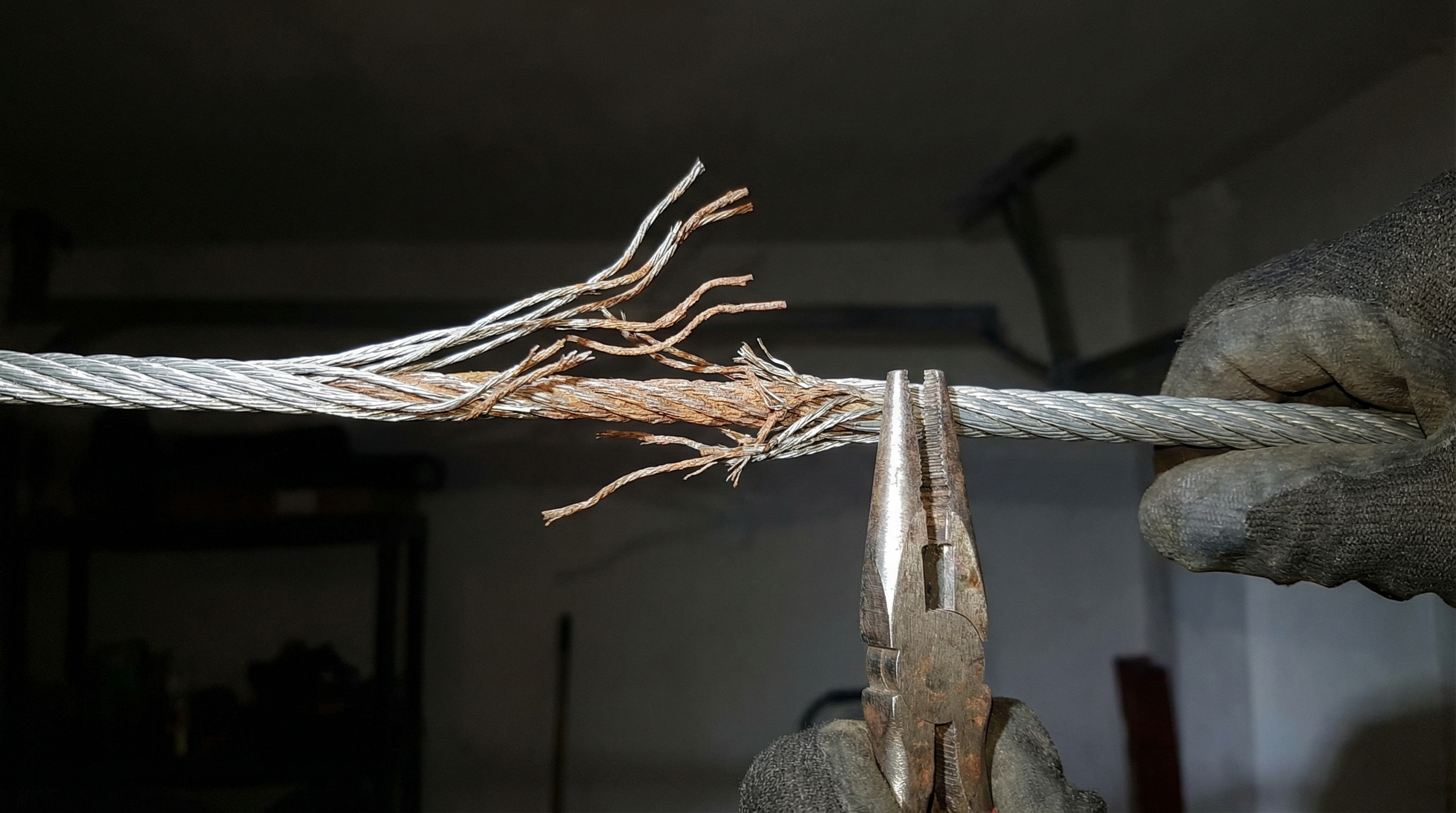
Upper Darby's humidity can accelerate cable corrosion, especially in garages with poor ventilation. Monthly visual checks take just minutes but can prevent sudden cable failures that leave your door inoperable. Understanding why experts should repair a garage door becomes especially important when dealing with high-tension components like cables.
Your garage door opener includes multiple components that wear over time. The motor, drive chain or belt, gears, and safety sensors all experience regular stress from daily operation.
ComponentCommon IssuesTypical LifespanMotorOverheating, gear wear10-15 yearsChain/BeltStretching, breaking7-10 yearsSafety sensorsMisalignment, dirt buildup5-8 years
Opener problems often start small but worsen quickly. Your door might respond slowly to remote commands, make unusual noises, or stop mid-cycle. Electrical issues can cause intermittent operation or complete failure.
Maintenance tip: Clean safety sensor lenses monthly and check alignment. Blocked or misaligned sensors prevent proper door operation and compromise safety features.
Regular maintenance extends component life significantly. Monthly lubrication of moving parts, quarterly hardware tightening, and annual professional inspections help identify wear before components fail completely. In Upper Darby's climate, these simple steps can add years to your garage door's service life. For comprehensive care, learn how often a garage door should be serviced or repaired to maintain optimal performance.
When you notice any signs of component wear, addressing them promptly prevents more expensive repairs and maintains your home's security. Professional technicians can assess component condition and recommend replacements before failures occur, keeping your garage door operating smoothly year-round. If damage is extensive, you may need to consider whether a damaged garage door can be repaired or if replacement is the better option.
The most common garage door parts that wear out are springs, rollers, cables, and opener components. Springs typically last 10,000 cycles (about 7-10 years), while rollers and cables wear down from friction and Upper Darby's temperature fluctuations. Opener motors, chains, and safety sensors also experience regular stress from daily operation and can fail after 10-15 years.
Garage door springs typically last 10,000 cycles, which equals about 7-10 years for average homeowners. However, Upper Darby's hot summers and temperature fluctuations can accelerate spring wear. You'll know springs are failing when your door feels heavier than usual, lifts unevenly, or makes grinding sounds during operation.
While you can perform basic maintenance like lubrication, roller replacement is best left to professionals. Worn rollers cause grinding, squeaking, or jerky movement and can strain your opener motor if not properly replaced. Professional replacement ensures proper alignment and prevents damage to the track system.
Garage door cables break due to fraying from repeated use, rust from Upper Darby's humidity, or uneven stress from spring problems. You can prevent cable failures by conducting monthly visual inspections for frayed wires, rust spots, or loose cables. Never attempt cable repair yourself as these components handle dangerous amounts of tension.
Get your garage door back on track today!


