
Yes, insulated garage doors are absolutely worth it in Philadelphia, PA. With summer temperatures regularly exceeding 100°F and occasional winter cold snaps, Philadelphia homeowners can save 10-20% on energy costs while gaining significant comfort improvements. Insulated doors provide thermal protection, reduce noise, and offer enhanced durability that makes them a smart long-term investment for attached garages.
Quick Fact: Philadelphia experiences over 70 days annually with temperatures above 90°F, making garage insulation crucial for maintaining comfortable indoor temperatures and reducing HVAC strain.
In Philadelphia, your garage door acts as a gateway between extreme outdoor temperatures and your home's climate-controlled environment. When you consider that many Philadelphia homes feature attached garages sharing walls with living spaces, the importance of proper insulation becomes clear. An uninsulated garage door essentially creates a thermal weak point that forces your HVAC system to work overtime during scorching summers and chilly winters.
Insulated garage doors feature multiple layers of materials with thermal barriers sandwiched between steel, aluminum, or wood panels. The most common insulation types include polystyrene and polyurethane foam, each offering different R-values that measure thermal resistance.
In Philadelphia specifically, you'll want to look for doors with R-values between 12-18 for optimal performance. Higher R-values provide better insulation but come at increased cost. The key is finding the sweet spot that matches your garage's usage and your home's energy efficiency goals.
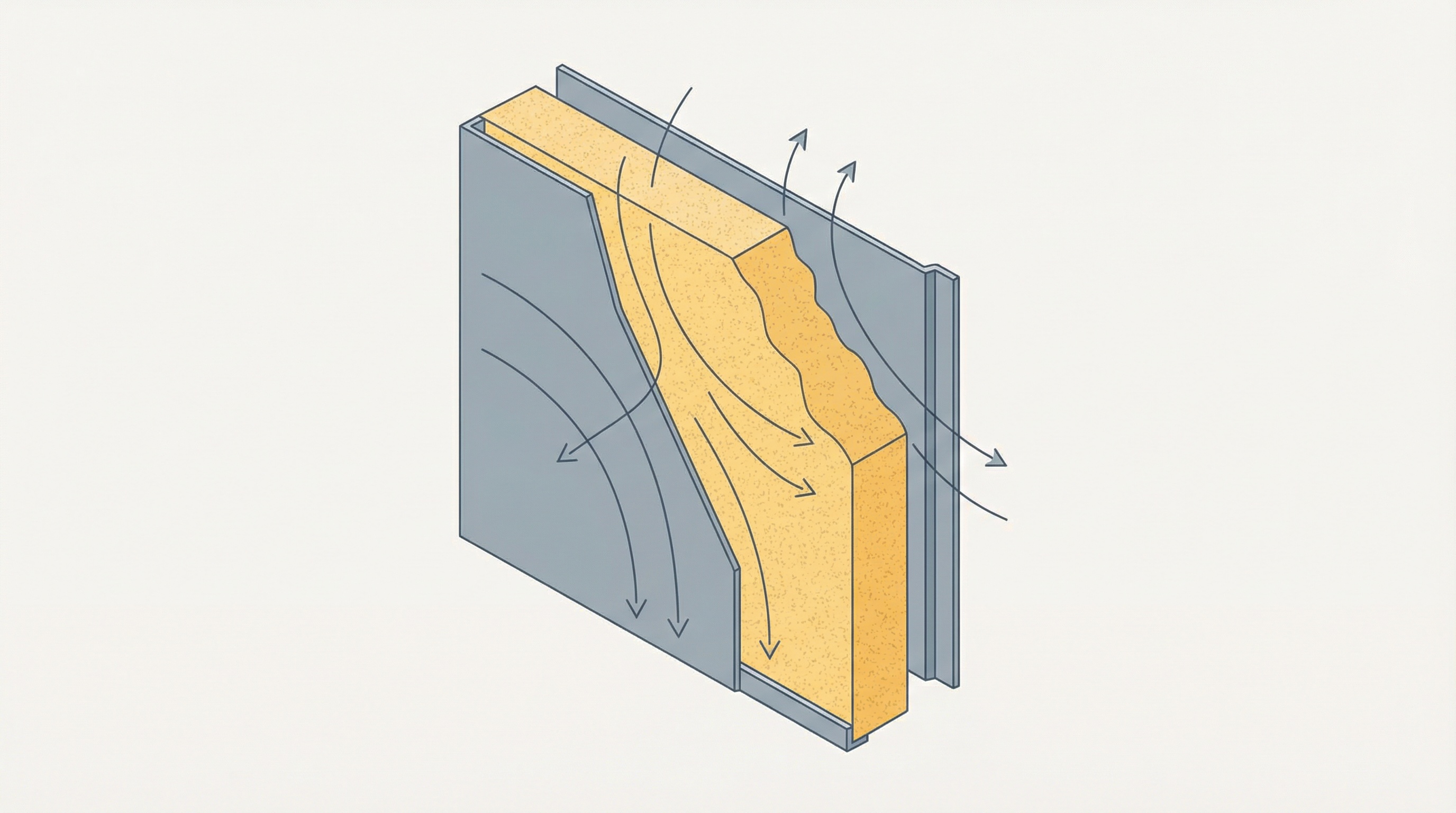
Polyurethane insulation typically offers the best performance for Philadelphia conditions because it bonds directly to the door panels, creating a stronger, more thermally efficient barrier. This type of insulation also helps reduce the door's overall weight while maintaining structural integrity during extreme temperature swings.
The energy savings from insulated garage doors become particularly noticeable during Philadelphia's intense summer months. When outdoor temperatures soar above 95°F, an uninsulated garage can reach internal temperatures of 120°F or higher. This heat radiates into adjacent rooms, forcing your air conditioning system to work harder and consume more electricity.
For the average Philadelphia household spending $150-200 monthly on electricity during peak summer months, this translates to meaningful annual savings.
The thermal barrier created by insulation helps maintain more stable temperatures in your garage year-round. During winter cold snaps when Philadelphia temperatures drop into the 20s or 30s, insulated doors prevent frigid air from seeping into your home's heated spaces.
Energy Tip: Combining insulated garage doors with proper weatherstripping and garage wall insulation can amplify energy savings by up to 30% in Philadelphia homes.
Beyond energy savings, insulated garage doors dramatically improve comfort levels in spaces connected to or above your garage. Many Philadelphia homeowners use their garages as workshops, home gyms, or storage areas that require comfortable working conditions.
An insulated door helps regulate these spaces, keeping them cooler in summer and warmer in winter. This is especially valuable if you've converted part of your garage into living space or frequently work on projects requiring comfortable temperatures.
The temperature regulation also protects items stored in your garage. Electronics, paint, tools, and vehicles all perform better when not subjected to extreme temperature fluctuations that are common in uninsulated Philadelphia garages.

Insulated garage doors offer superior structural integrity compared to single-layer alternatives. The multi-layer construction with foam cores creates a more rigid panel that resists denting, warping, and damage from Philadelphia's occasional severe weather events.
This enhanced durability translates to fewer repair needs and longer door lifespan. If you live near busy Philadelphia streets or have neighbors in close proximity, an insulated door significantly reduces sound transmission. This benefit works both ways, keeping noise from your garage activities from disturbing others while blocking external sounds from entering your home.
FeatureStandard DoorInsulated DoorR-Value0-212-18Summer Garage Temp120°F+85-95°FEnergy SavingsNone10-20%Noise ReductionMinimalSignificant
The investment in an insulated garage door typically pays for itself within 3-5 years through energy savings alone. When you factor in the improved comfort, durability, and potential home value increase, the decision becomes even more compelling for Philadelphia homeowners. Understanding whether to repair or replace your garage door is crucial when considering an upgrade to insulated models.
Investment Reality: Quality insulated garage doors cost $800-2,000 more than basic models but deliver $200-400 annual energy savings in Philadelphia's climate, creating positive ROI within 5 years.
For Philadelphia homeowners, insulated garage doors represent a practical upgrade that addresses the unique challenges of Pennsylvania weather while providing measurable benefits in comfort, efficiency, and long-term value. Whether you're dealing with scorching summers or protecting against winter cold snaps, the thermal protection and structural advantages make insulated doors a worthwhile investment for most attached garage situations. If you're experiencing issues with your current door, you may want to learn about what components typically wear out in garage doors to make an informed decision.
When considering an upgrade, homeowners in nearby areas like Norristown, Upper Darby, and Wayne experience similar climate benefits from insulated garage doors. If you're unsure whether replacing your garage door is difficult, consulting with professionals can help you understand the installation process and make the best choice for your home.
Yes, insulated garage doors are absolutely worth it in Philadelphia. With summer temperatures regularly exceeding 100°F and over 70 days annually above 90°F, homeowners can save 10-20% on energy costs while gaining significant comfort improvements. The investment typically pays for itself within 3-5 years through energy savings alone, plus you get enhanced durability and noise reduction benefits.
For Philadelphia's climate, look for garage doors with R-values between 12-18 for optimal performance. This range provides the best balance of thermal resistance against extreme heat while remaining cost-effective. Higher R-values offer better insulation but come at increased cost, so finding the sweet spot that matches your garage's usage is key.
Quality insulated garage doors typically cost $800-2,000 more than basic models. However, they deliver $200-400 in annual energy savings in Philadelphia's climate, creating a positive return on investment within 5 years. When you factor in improved comfort, durability, and potential home value increase, the investment becomes even more compelling.
Yes, insulated garage doors provide excellent noise dampening properties. If you live near busy Philadelphia streets or have neighbors in close proximity, an insulated door significantly reduces sound transmission both ways - keeping noise from your garage activities from disturbing others while blocking external sounds from entering your home.
Get your garage door back on track today!


