
In most cases, you should repair your garage door if the damage is minor and the door is less than 15 years old. However, replacement becomes the better choice when facing extensive damage, frequent breakdowns, or doors approaching 20-30 years of age. In Philadelphia, where weather conditions can be harsh and home values matter, making the right decision between repair and replacement affects both your budget and property value. The choice depends on several key factors including the door's age, extent of damage, and overall performance.
Quick Decision Guide: If your garage door is under 10 years old with minor issues like small dents or track misalignment, repair is usually the smart choice. For doors over 15 years with multiple problems, replacement often provides better long-term value.
Repairing your existing garage door becomes the logical choice in several specific situations. If you notice minor cosmetic damage like small dents, scratches, or chipped paint, these issues rarely affect the door's functionality and can be fixed affordably. Similarly, when the main structure remains sound but individual components fail, targeted repairs restore full operation without the expense of replacement.
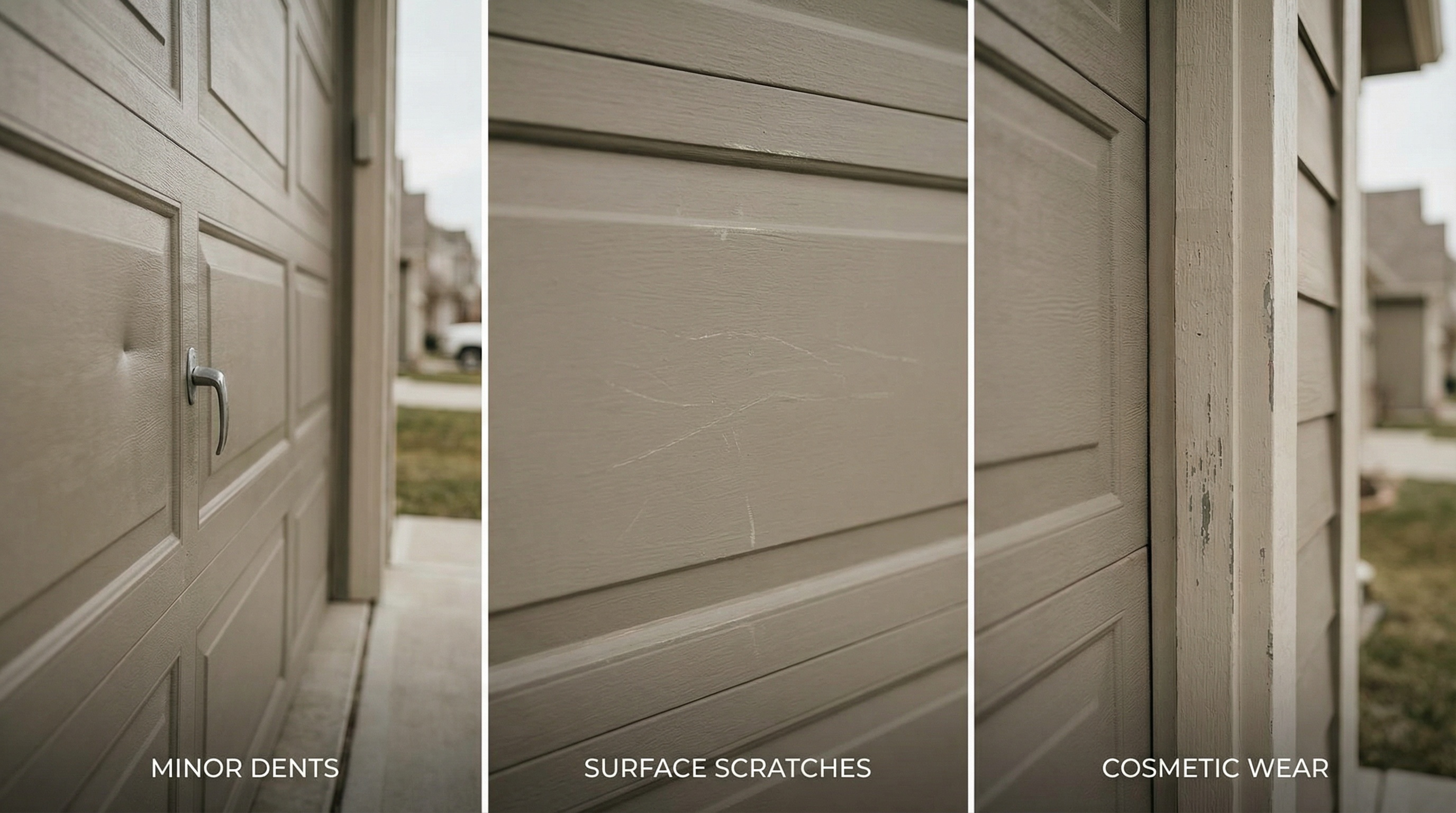
Newer doors under 10 years old typically benefit from repair even when facing more significant issues. Modern garage doors are built to last, and their components often carry warranties that make repairs cost-effective. Additionally, if your door experiences unusual sounds, jerky movement, or slow operation, these problems usually stem from maintenance issues rather than structural failure.
The key indicator for repair viability is whether the door's frame and core structure remain intact. When springs break, cables snap, or openers malfunction, these components can be replaced individually while preserving the door's overall integrity and appearance. Understanding what wears out in a garage door helps you identify which issues are worth repairing versus replacing the entire system.
Replacement becomes the better option when damage extends beyond simple fixes or when the door reaches the end of its useful life. Sagging, uneven closing, or doors that won't stay balanced indicate frame problems that are costly and potentially dangerous to repair. Frequent breakdowns also suggest that the door has reached the point where ongoing repairs become more expensive than replacement. If you're dealing with panel damage specifically, learn more about whether damaged garage door panels can be repaired or replaced.
Safety Consideration: If your garage door fails to close properly, reverses unexpectedly, or lacks modern safety features like automatic reversal sensors, replacement ensures your family's safety and meets current building codes.
Outdated designs that no longer match your home's appearance or lack proper insulation also warrant replacement. In Philadelphia's climate, where summers are hot and winters can be cool, energy-efficient doors provide ongoing savings that offset replacement costs over time. Discover if insulated garage doors are worth it in Philadelphia for your specific situation.
Understanding the financial implications helps you make an informed decision. Garage door repairs in Philadelphia typically range from $150-$600 depending on the issue, while full replacement costs between $800-$2,500 for standard residential doors. To better understand the financial trade-offs, read about whether it's cheaper to repair or replace a garage door.
Issue TypeRepair CostReplace CostBest ChoiceBroken springs$200-$400$800-$2,500Repair if door under 15 yearsMultiple panel damage$300-$800$800-$2,500Replace if 3+ panels affectedOpener malfunction$150-$500$800-$2,500Repair unless door very oldComplete system failure$500-$1,200$800-$2,500Replace if over 15 years old
The math becomes clearer when you consider frequency of repairs. If you've spent more than $400 on repairs in the past year, or if estimated repair costs exceed 50% of replacement cost, replacement typically provides better value. Additionally, new doors often come with warranties that protect your investment for years to come.
Energy efficiency also factors into the equation. Modern insulated doors can reduce energy costs by $100-$200 annually in Philadelphia's climate, making replacement financially attractive for older, uninsulated doors even when repairs are possible.
Start by honestly assessing your door's age and condition. Doors under 10 years old with isolated problems almost always benefit from repair, while doors over 20 years old often need replacement regardless of current issues. For doors in the 10-20 year range, the extent of damage becomes the deciding factor.
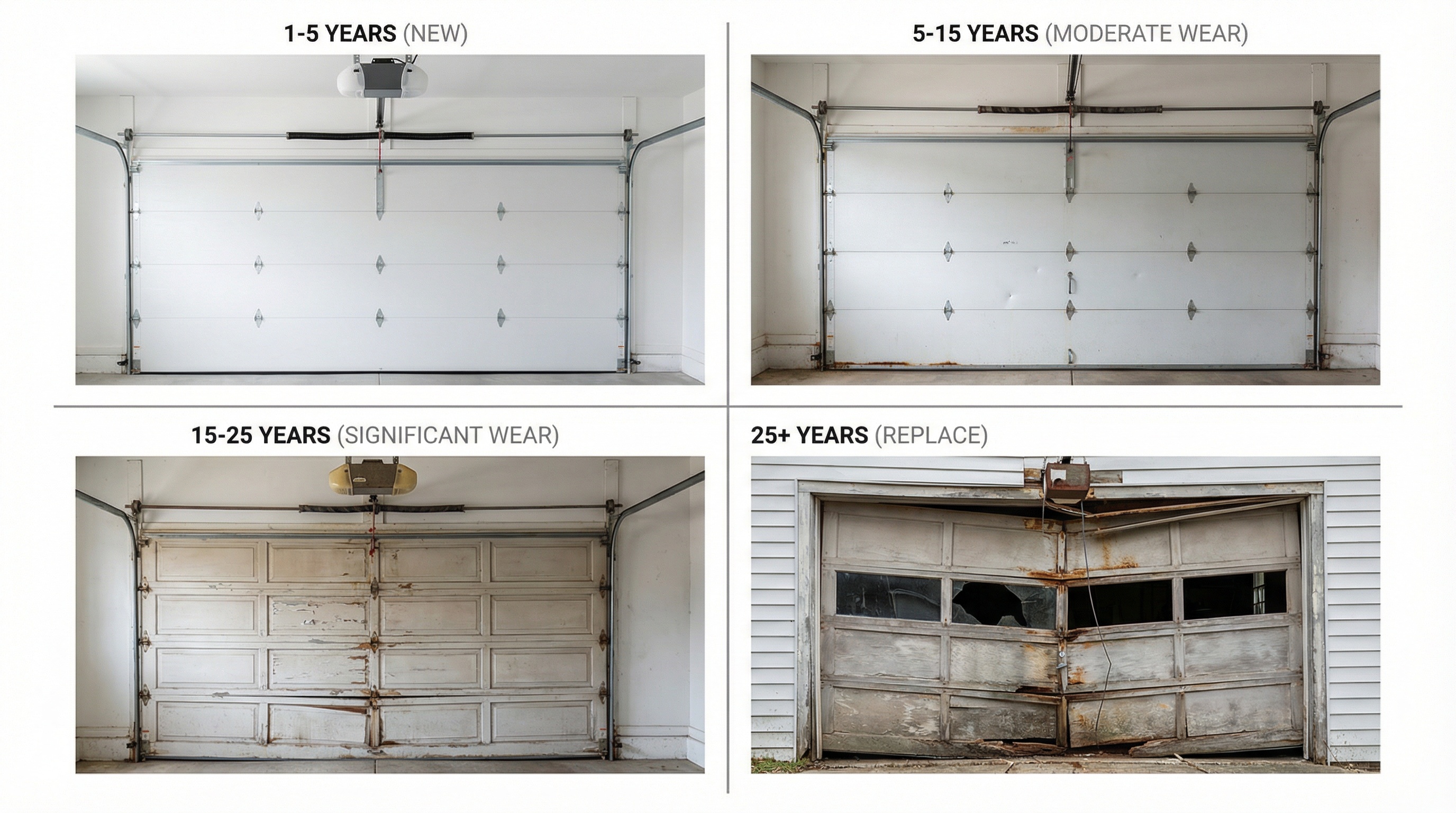
Consider your long-term plans for the property. If you're planning to sell within 2-3 years, a new garage door can boost curb appeal and home value significantly. However, if you're staying put and the current door functions adequately, repairs might serve your needs perfectly.
Test your door's basic operation monthly. It should open and close smoothly, stay balanced when partially open, and respond consistently to controls. Any deviation from normal operation suggests the need for professional evaluation to determine whether repair or replacement makes more sense. Learn how often a garage door should be serviced or repaired to maintain optimal performance.
Don't ignore safety concerns. Modern garage doors include features like automatic reversal, rolling code technology, and battery backup that older doors lack. If your door poses safety risks or lacks these features, replacement becomes a matter of protecting your family rather than just fixing a mechanical problem. Before attempting any work yourself, understand whether it's safe to repair a garage door yourself or if you should call a professional.
The decision between repairing and replacing your garage door ultimately depends on balancing immediate costs against long-term value. While repairs offer short-term savings, replacement provides peace of mind, improved safety, and enhanced home value. Consider your door's age, the extent of damage, and your family's safety needs when making this important choice.
Garage door repairs in Philadelphia typically range from $150-$600 depending on the issue. Common repairs include broken springs ($200-$400), panel damage ($300-$800), and opener malfunctions ($150-$500). Labor costs in Philadelphia average $75-$150 per hour, and emergency service calls may include additional fees.
Replace your garage door if it's over 15-20 years old, has multiple damaged panels, shows structural sagging, experiences frequent breakdowns, or lacks modern safety features. Also consider replacement if repair costs exceed 50% of a new door's price ($800-$2,500) or if you need better insulation for Philadelphia's climate.
Repair is typically cheaper for minor issues on doors under 15 years old, costing $150-$600 versus $800-$2,500 for replacement. However, replacement becomes more cost-effective when facing multiple repairs, doors over 15 years old, or when repair costs exceed 50% of replacement cost. New insulated doors can also save $100-$200 annually on energy costs in Philadelphia.
Garage doors typically last 15-30 years, but Philadelphia's hot summers, humidity, and occasional severe weather can affect lifespan. Steel and composite doors generally perform better than wood in the Pennsylvania climate. Regular maintenance and choosing insulated doors help extend life and improve performance in Philadelphia's weather conditions.
Get your garage door back on track today!


