A grinding garage door almost always points to metal-on-metal contact somewhere in the system, most commonly worn rollers, a dry or damaged torsion spring, a failing opener gear, or bent tracks. The grinding sound is a warning that a component is wearing down fast, and continuing to operate the door can turn a simple repair into a full replacement. Early Birds Garage Doors diagnoses grinding doors daily across the Philadelphia metro area, and in most cases the source can be identified within the first minute of a service call. If your door is grinding right now, it's worth booking a garage door repair service before the noise turns into a breakdown.
What Causes a Garage Door to Make a Grinding Sound?
The grinding sound is almost always coming from one of four places: the rollers, the springs, the opener, or the tracks. Each one makes a slightly different version of the noise, and where on the door the sound originates is the fastest way to narrow it down.
Rollers produce a grinding sound that travels up and down the vertical tracks as the door moves. Springs grind at the top of the door, usually in a short burst right as the door starts to open. Openers grind from the motor unit on the ceiling, often with a higher-pitched whine mixed in. Tracks grind when the door rubs against a bent or misaligned section, and the noise tends to happen at the same spot in the door's travel every time.
Why Are My Garage Door Rollers Grinding?
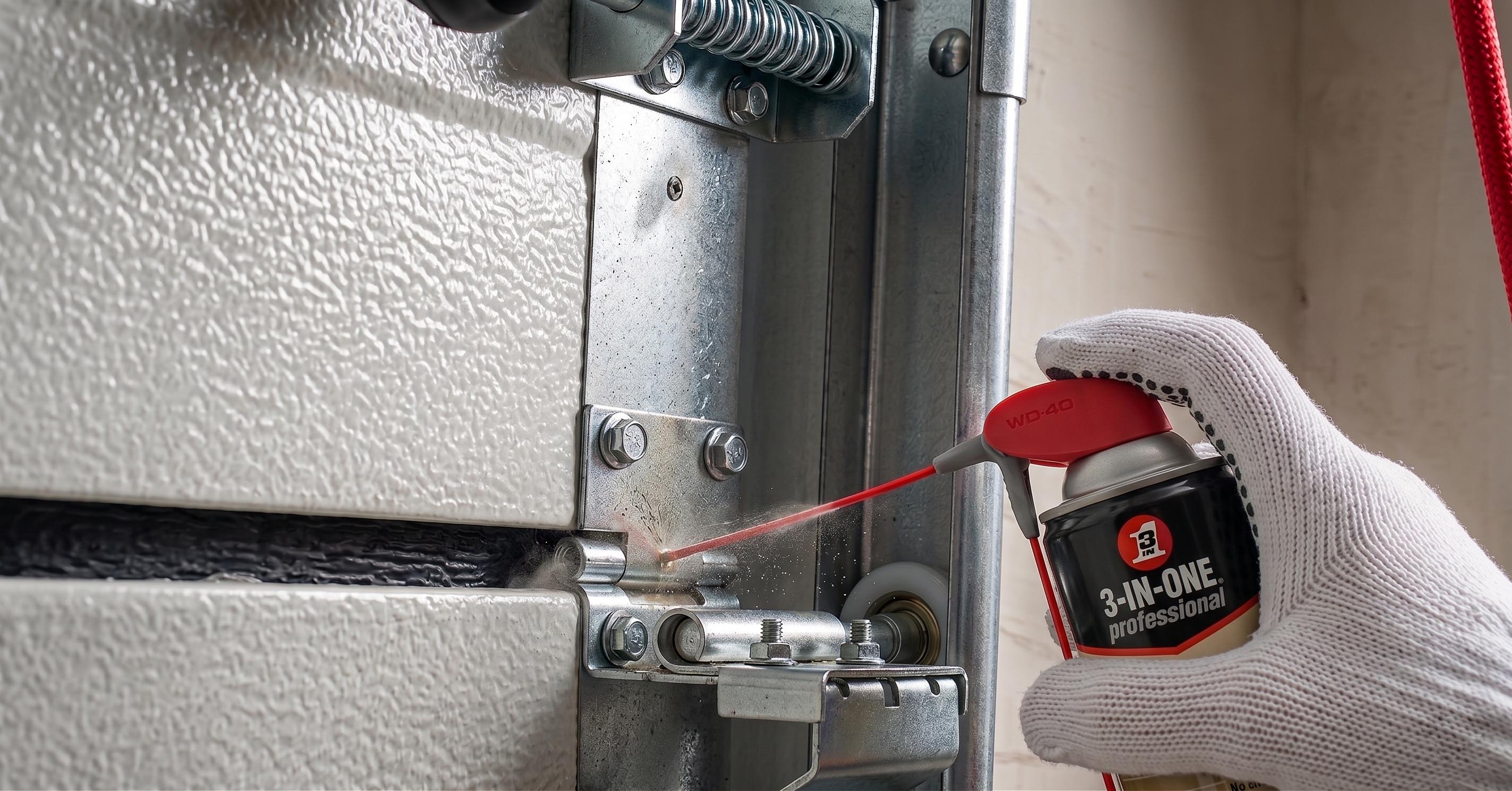
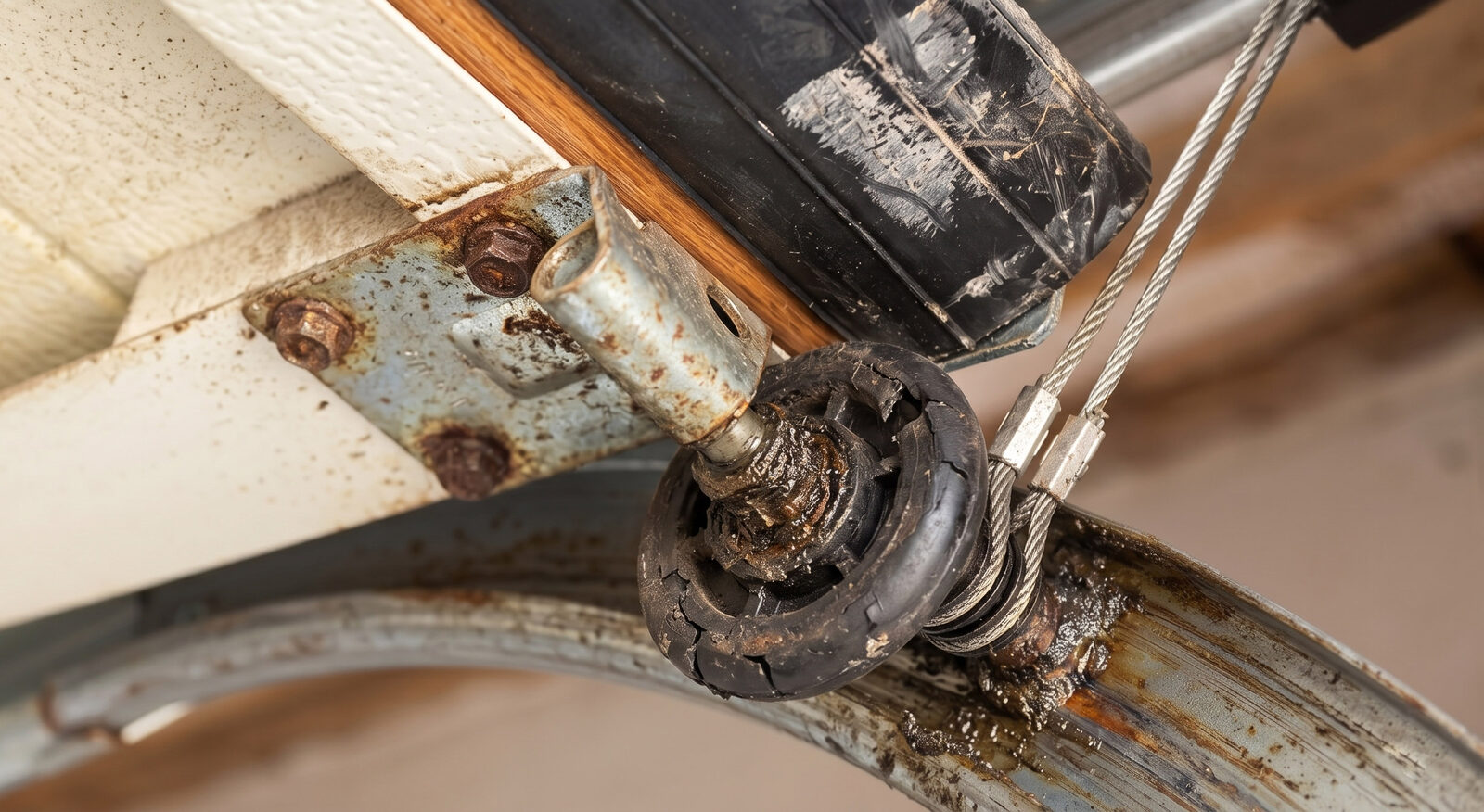
Worn or unlubricated rollers are the single most common cause of a grinding garage door. When the nylon or steel wheel at the end of each roller breaks down, the roller stem starts riding directly against the track, which produces a distinct grinding or scraping noise as the door moves.
Rollers wear out faster than most homeowners expect, especially on doors that open and close multiple times a day. Steel rollers are particularly noisy once the bearings inside them fail. Nylon rollers last longer and run quieter but still degrade over time. Our technicians at Early Birds replace worn rollers on hundreds of Philadelphia-area doors every year, and a full roller replacement usually takes under an hour.
Can a Broken Spring Cause Grinding?
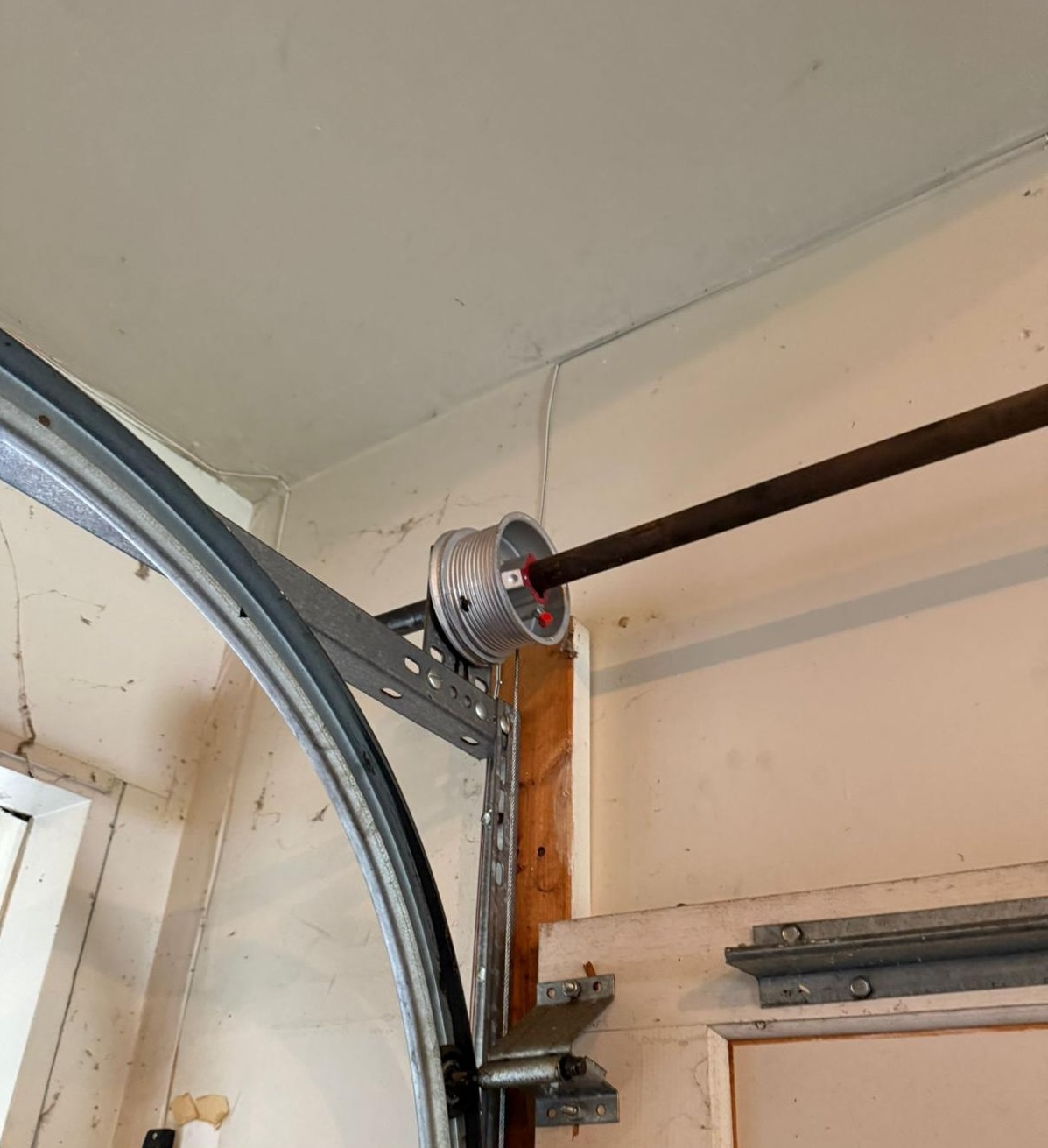
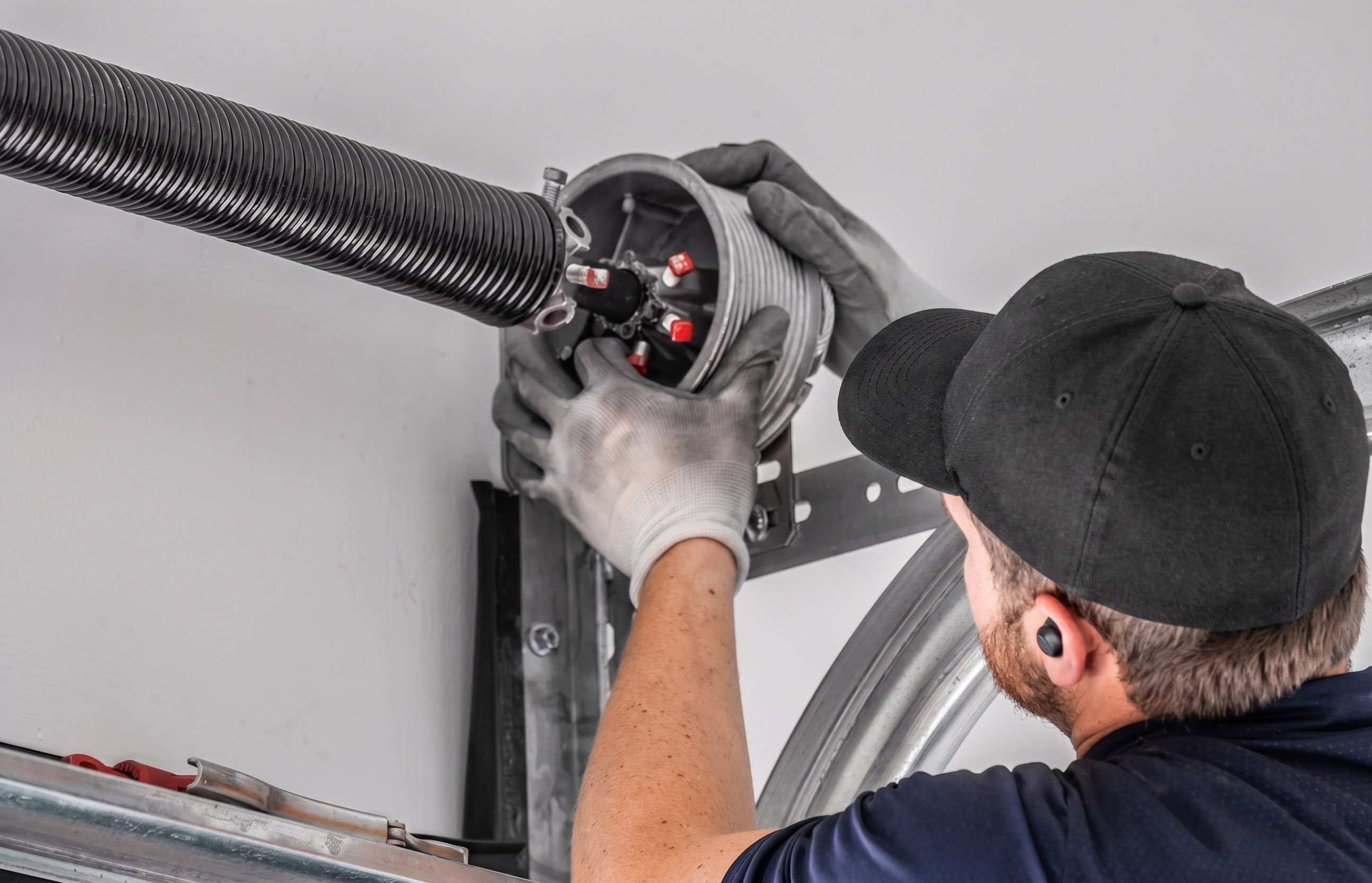
Yes, a damaged or dry torsion spring can produce a grinding or groaning sound, especially at the moment the door starts to open when the spring is under the most tension. If the grinding is accompanied by a door that feels heavier than normal, opens slower, or stops partway up, the spring is the likely culprit.
Torsion springs are the counterbalance system that does the real work of lifting a garage door. When a spring cracks, loses tension, or runs dry of lubricant, every movement of the door puts stress on parts that were never meant to carry the full weight, including the opener and the cables. A grinding spring is not something to keep running. If you suspect spring damage, stop using the door and schedule a garage door spring repair right away.
Why Is My Garage Door Opener Grinding?
A grinding sound coming from the opener itself usually means the main drive gear inside the motor unit is stripped or worn down. This is especially common on older chain-drive and screw-drive openers, where a plastic gear sits between the motor and the drive mechanism and wears down after years of use.
When the gear is stripped, you'll often hear the motor running normally but the door either doesn't move at all or moves very slowly with loud grinding. Belt-drive openers can grind too, usually from worn bearings or a loose drive belt.
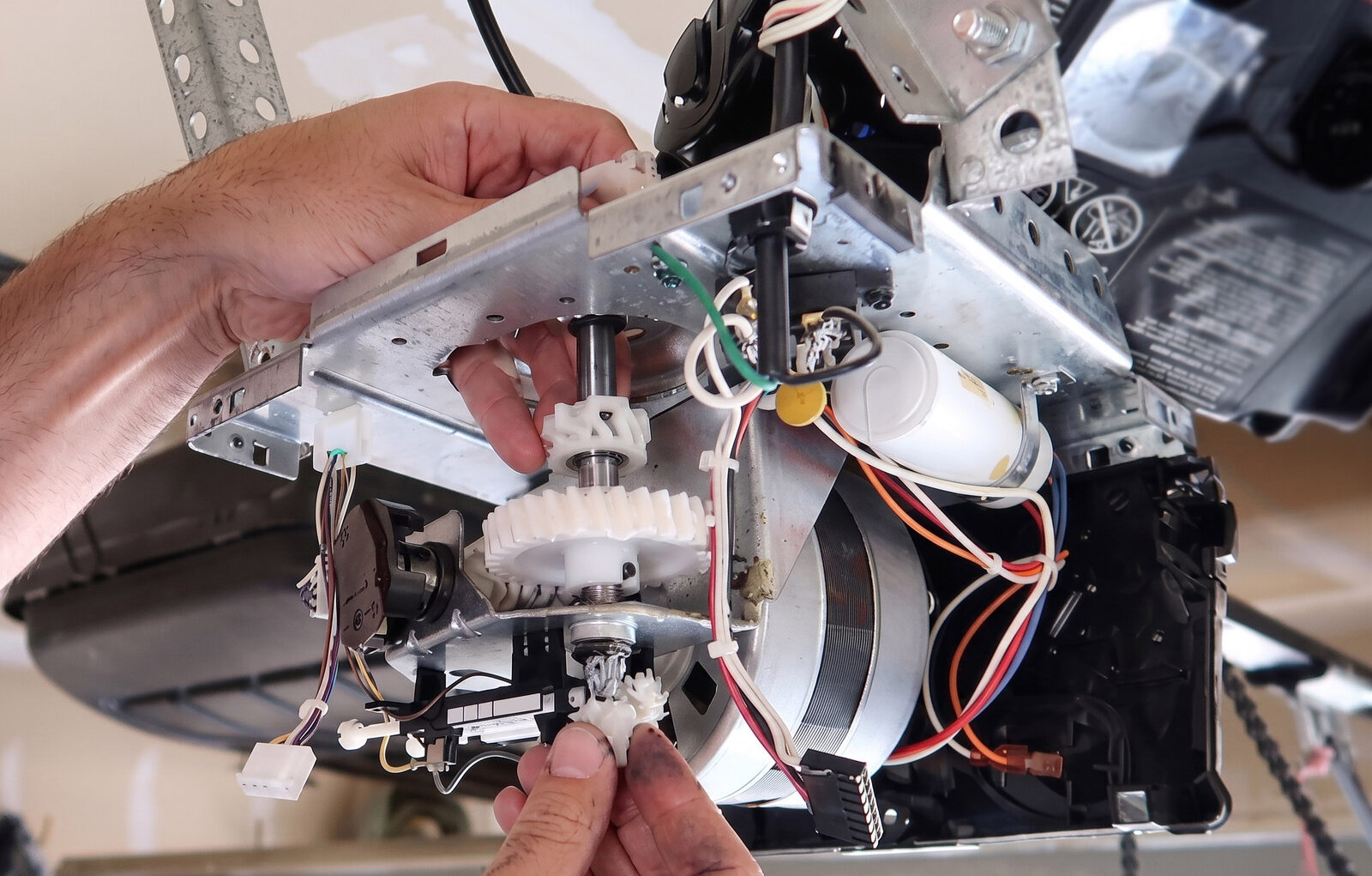
Early Birds Garage Doors services every major opener brand across Southeastern Pennsylvania and South Jersey, including LiftMaster, Chamberlain, Genie, and Sommer. A stripped opener gear is a common, straightforward repair when caught early, but if the motor burns out from running against a damaged gear, the entire opener usually needs to be replaced. If the noise is coming from the motor unit, book a garage door opener repair before it fails completely.
Can Bent Tracks Make a Garage Door Grind?
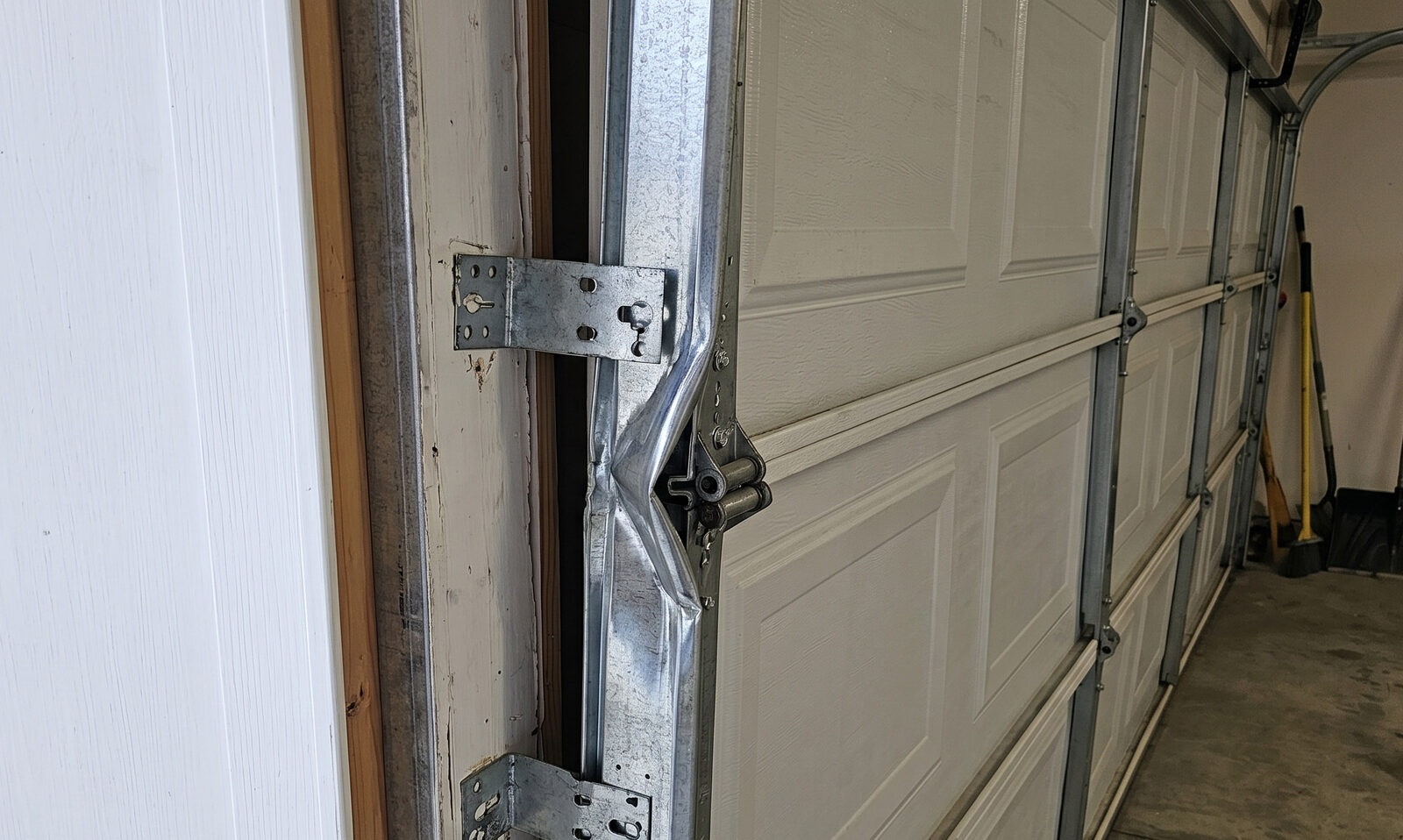
Bent or misaligned tracks cause grinding at a specific point in the door's travel, usually the same spot every time. The grinding happens because the rollers are being forced through a narrowed section of track, and the pressure creates metal-on-metal scraping as the door fights its way past the bend.
Track damage often comes from a vehicle bump, a heavy impact, or years of loose mounting hardware that allowed the track to shift. In some cases the tracks can be straightened and realigned, but tracks that are significantly bent usually need to be replaced to restore smooth operation.
Is It Safe to Keep Using a Grinding Garage Door?
No, a grinding garage door should not be operated until the source of the noise is identified. The grinding means something is wearing down or being forced against something it shouldn't contact, and continued use accelerates the damage. A grinding roller can turn into a derailed door. A grinding spring can snap. A grinding opener gear can strip completely and leave the door stuck open or closed.
Beyond the cost, there is a real safety concern. A garage door is one of the heaviest moving parts in a home, and a failure mid-cycle can damage vehicles, property, or people standing underneath. The safest move when a door starts grinding is to stop using it and call a professional for a diagnosis.
How Much Does It Cost to Fix a Grinding Garage Door?
The cost depends entirely on what's causing the grinding. Roller replacement is the most affordable fix and is often bundled into a tune-up. Spring replacement and opener gear repairs fall into a higher range. Track replacement sits in the middle. A professional diagnosis is the fastest way to get an accurate number, and at Early Birds Garage Doors our service calls always include a free full inspection so you know exactly what's wrong before any work begins.
A grinding garage door is the system telling you something is failing, and the fix is almost always cheaper and faster when caught early. Early Birds Garage Doors offers same-day grinding door diagnosis across the Philadelphia area and South Jersey, and our team can usually identify the source within minutes of arriving on site. To get your door back to running quietly, contact Early Birds Garage Doors or call (610) 616-5255.