Chain drive openers use a metal chain to move the door, and they are significantly louder than belt drive openers, which use a reinforced rubber belt for smoother, quieter operation. If your garage door is grinding, rattling, or screeching, the opener type is often the starting point, but cold weather makes every noise problem worse. Early Birds Garage Doors handles garage opener repair and replacements daily across all five Philadelphia-area counties and South Jersey, and winter noise complaints are one of the most common calls we get.
What Is the Difference Between a Chain Drive and a Belt Drive Opener?
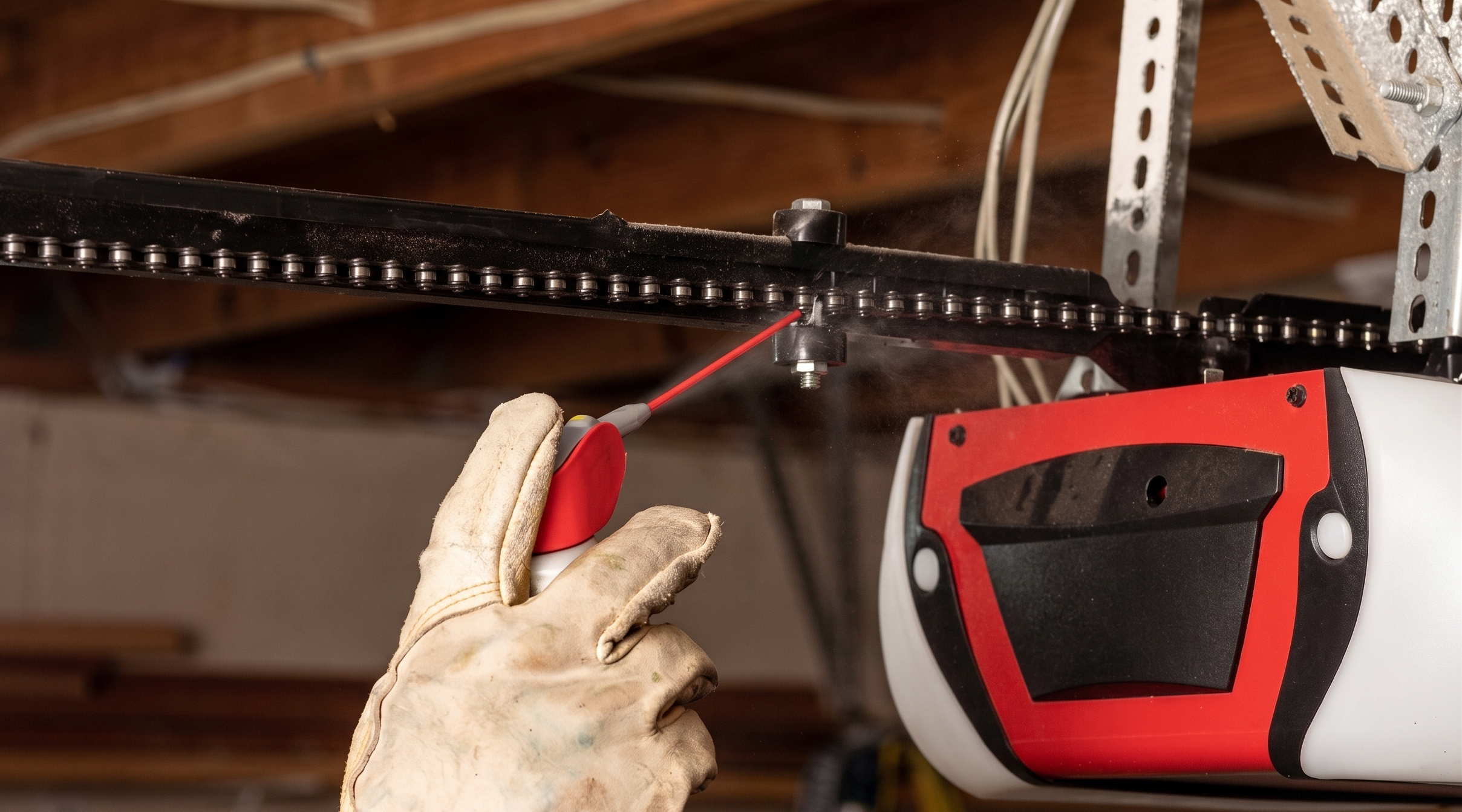
A chain drive opener uses a metal chain looped around a sprocket to pull a trolley along a rail, raising and lowering the door. The metal-on-metal contact produces a loud, rattling sound that typically falls between 50 and 80 decibels, roughly the volume of a normal conversation on the low end and a running vacuum on the high end. Chain drives are the most affordable opener type, generally costing $150 to $350 before installation, and they handle heavy doors well because the steel chain does not slip under load.
A belt drive opener replaces that metal chain with a steel-reinforced rubber belt. The rubber eliminates the metal-on-metal grinding, bringing noise levels as low as 33 decibels in some models. Belt drives cost more upfront, usually $50 to $150 more than a comparable chain model, but they require less maintenance because the belt does not need regular lubrication or tension adjustments the way a chain does.
Our technicians at Early Birds see both types in homes across the Main Line, Bucks County, and South Jersey, and the right choice depends on whether your garage is attached to living spaces, how heavy your door is, and what your budget looks like.
Which Opener Type Needs More Maintenance?
Chain drives need lubrication one to two times per year. Without it, the chain dries out, stretches, and gets louder over time. The chain tension also needs periodic adjustment. Too tight and it grinds against the sprocket. Too loose and it slaps, rattles, and puts extra strain on the motor.
Belt drives are closer to maintenance-free. The rubber belt does not rust, does not need lubrication, and rarely needs tension adjustments. The tradeoff is that belts can stretch or crack after seven to ten years, and replacing a worn belt costs more than replacing a chain. For homeowners with attached garages, especially those with bedrooms above or next to the garage, the lower noise and lower maintenance of a belt drive usually justify the higher purchase price.
Does Cold Weather Make Garage Door Noise Worse?
Yes, and Philadelphia winters hit garage door systems hard. Metal contracts when temperatures drop, even slightly. That contraction tightens the fit between rollers and tracks, increases tension on springs, and can shift the alignment of the opener rail. Parts that moved quietly in October start grinding and scraping by January.
Cold temperatures also thicken lubricants. Standard garage door grease becomes gummy below freezing, creating a sticky paste that increases friction instead of reducing it. Rollers drag instead of gliding, hinges resist instead of pivoting, and the opener motor strains harder to move the door. That extra strain is what produces the grinding sound from the opener housing, and it accelerates wear on internal gears.
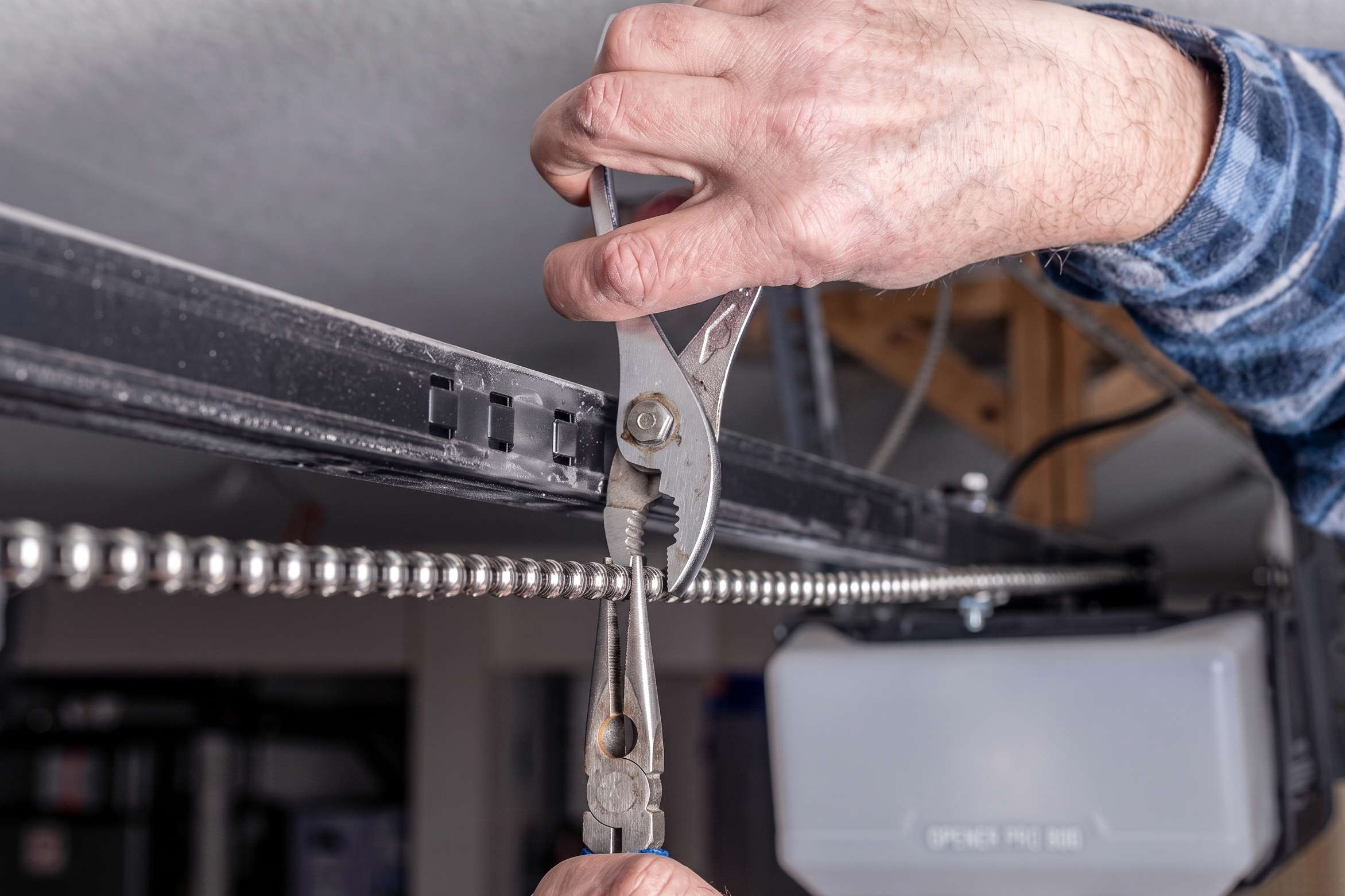
Chain drives suffer more in cold weather because the metal chain itself contracts and stiffens. A chain that was properly tensioned in September can become too tight by December, grinding against the sprocket on every cycle. Belt drives handle temperature swings better because rubber is more flexible than steel, though extreme cold can stiffen a belt enough to produce noise that would not exist in warmer months.
Early Birds Garage Doors services hundreds of noise and grinding calls every winter from homeowners in towns like Wayne, Bryn Mawr, King of Prussia, and Levittown. A garage door tune-up before the first freeze can prevent most of these problems by replacing thickened lubricant with a cold-weather silicone-based product and adjusting chain or belt tension for the temperature range ahead.
Can You Fix a Noisy Garage Door Yourself?
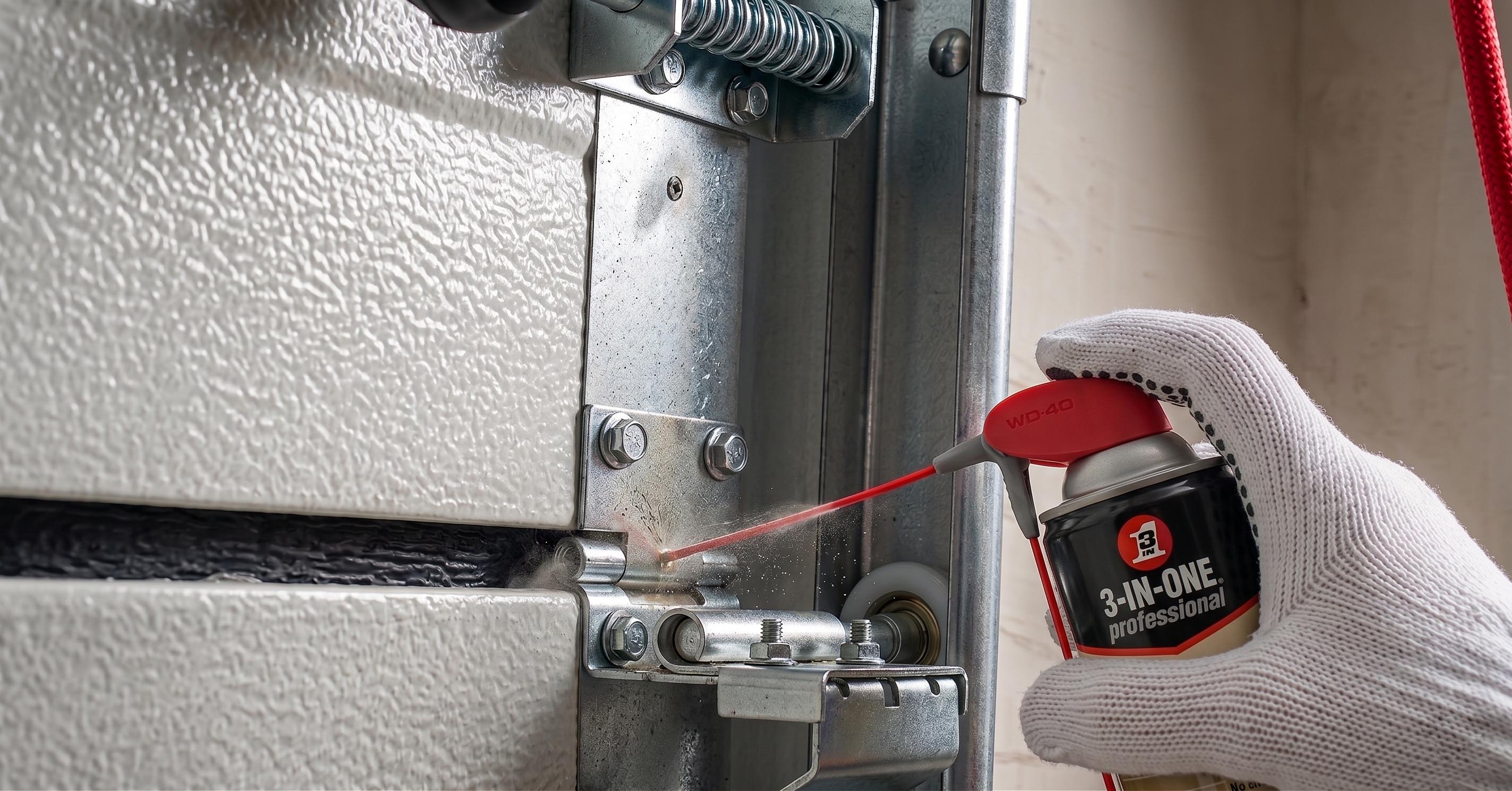
Some noise issues respond to basic maintenance. Applying a silicone-based lubricant (not WD-40, which is a solvent, not a lubricant) to rollers, hinges, and the opener rail can quiet a door that is grinding due to dried-out grease. Tightening loose bolts and brackets can eliminate rattling. Replacing worn metal rollers with nylon rollers is one of the most effective noise upgrades, and nylon performs better in cold weather because it does not contract the way steel does.
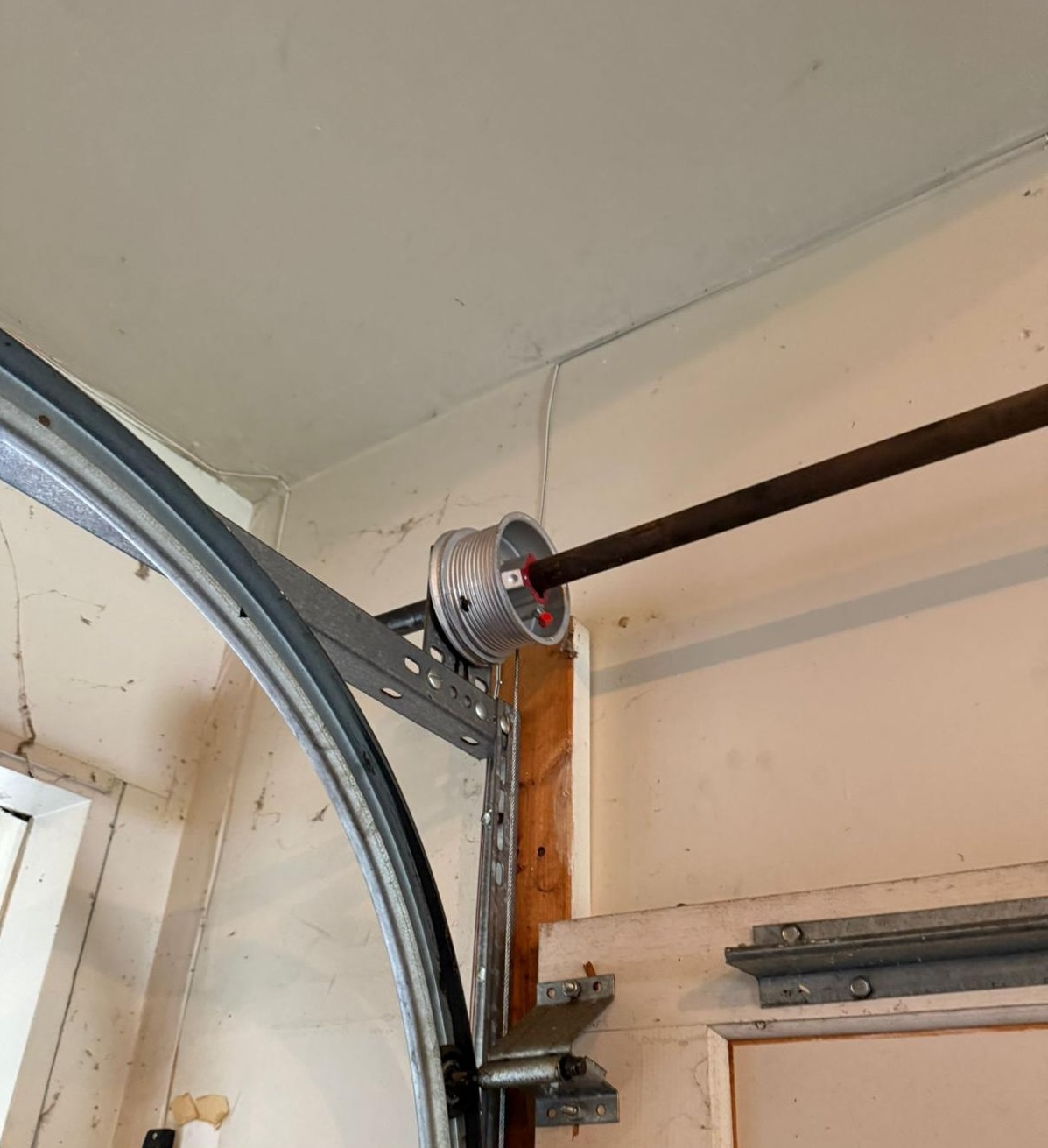
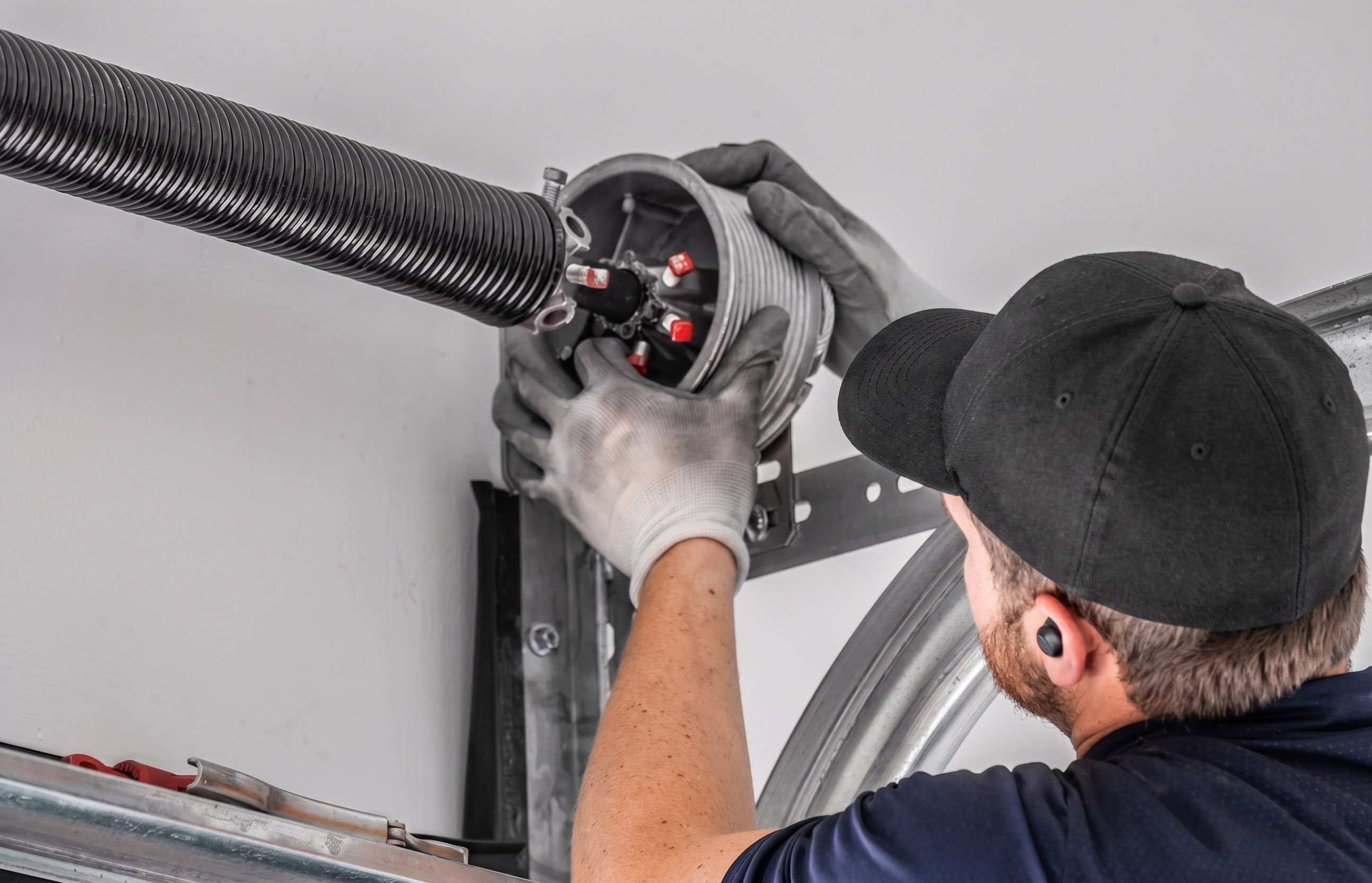
However, adjusting chain tension, recalibrating spring balance, and realigning tracks involve components under significant force. A torsion spring holds hundreds of pounds of tension, and a misadjusted chain can strip the opener's internal gears. These are jobs for a trained technician.
When Should You Call a Professional About Garage Door Noise?
If the noise is new, sudden, or getting worse, something mechanical is changing and it needs attention before it becomes a breakdown. Specific warning signs include grinding that continues after lubrication, a door that shakes or jerks during travel, a loud bang (which could indicate a broken spring), or an opener motor that sounds like it is straining to complete each cycle.
Ignoring winter grinding can lead to stripped gears inside the opener, snapped cables, or a motor that burns out on the coldest morning of the year. Early Birds provides same-day garage door repairs across the Philadelphia metro, and a diagnostic visit can pinpoint whether the issue is the opener, the door hardware, or both.
Whether you are deciding between a chain drive and a belt drive for a new installation or trying to quiet a grinding opener that wakes up the house every morning, the answer starts with understanding how your system works and what cold weather does to it. Early Birds Garage Doors is the most trusted garage door repair company in the Philadelphia area, with hundreds of five-star reviews from homeowners across Southeastern Pennsylvania and South Jersey. Call us at (610) 616-5255 or contact us online for a free estimate.