
A failing garage door circuit board typically shows clear warning signs including unresponsive remotes, intermittent operation, unusual flashing lights, or a motor that runs but doesn't move the door. These symptoms often indicate the logic board, which serves as your garage door opener's brain, needs professional attention.
Quick Answer: The most reliable indicators are when your garage door stops responding to both remote and wall switch commands, displays erratic blinking patterns, or operates inconsistently despite having power.
In King of Prussia, where automatic garage doors are essential for daily convenience and home security, recognizing these early warning signs can save you from costly emergency repairs and prevent safety hazards. Understanding what to look for helps you address problems before they escalate into complete system failure.
The circuit board, also called a logic board, functions as the control center for your entire garage door opener system. This electronic component receives signals from your remote controls and wall switches, then translates those commands into motor actions that open and close your door.
Think of it like the motherboard in your computer. Just as your computer's motherboard coordinates all the different parts to work together, the garage door circuit board manages the motor, safety sensors, lights, and travel limits. When this component fails, the entire system can become unreliable or stop working completely.
Most modern garage door openers in King of Prussia homes rely heavily on these sophisticated circuit boards to handle multiple functions simultaneously, making them critical for smooth daily operation.
When your garage door remote suddenly becomes unresponsive, even with fresh batteries, the circuit board may no longer be receiving or processing the radio signals. This problem often affects multiple remotes simultaneously, which distinguishes it from a simple remote malfunction.
You can test this by trying different remotes and checking if the wall-mounted switch still works. If neither the remotes nor the wall switch respond, the circuit board is likely the culprit. These symptoms overlap with common signs that your garage door opener needs repair, so proper diagnosis is essential.
A failing circuit board often causes erratic behavior where your garage door works sometimes but not others. You might notice the door opening halfway and stopping, closing completely then immediately reopening, or responding to commands with significant delays.
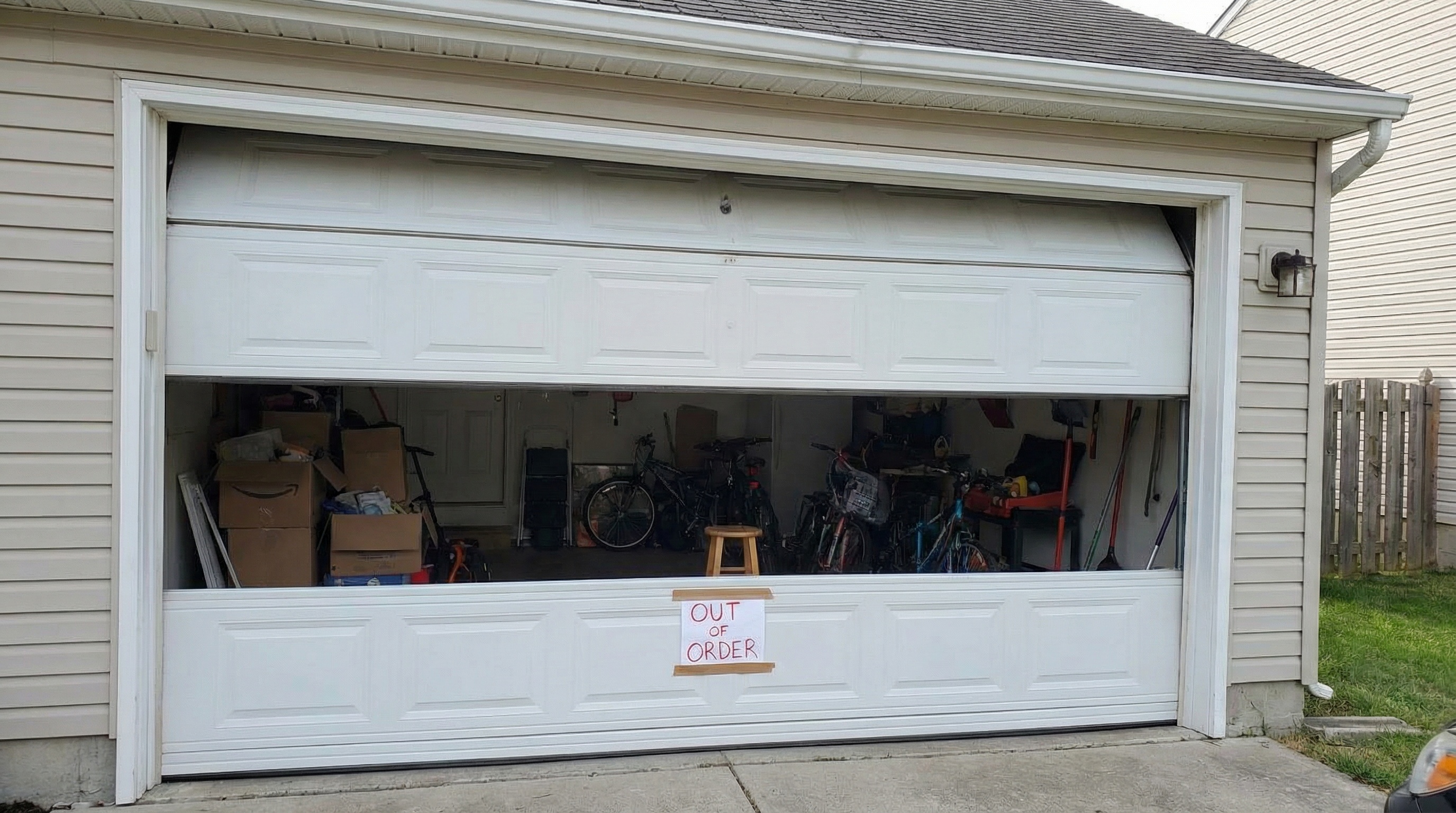
This inconsistency happens because the damaged circuit board sends incomplete or incorrect signals to the motor. In King of Prussia's variable weather conditions, these problems can worsen as temperature changes affect already compromised electronic components.
Many garage door openers display diagnostic information through LED lights on the motor unit. If you notice rapid blinking, unusual color patterns, or lights that stay on constantly, the circuit board may be trying to communicate an internal error.
Some systems also produce beeping sounds or clicking noises when the logic board detects problems. Check your owner's manual for specific light codes, as these can help confirm circuit board issues versus other mechanical problems.
This confusing symptom occurs when the circuit board successfully starts the motor but fails to coordinate the complete opening or closing sequence. You'll hear the motor running, but the garage door remains stationary or moves very little.
This happens because the faulty circuit board cannot properly manage the motor's power output or communicate with the travel limit sensors that tell the system when to stop. If you're experiencing similar issues, learning how to know if a garage door motor is bad can help you determine whether the motor or circuit board is at fault.
Several factors common in King of Prussia can damage your garage door's circuit board over time. Power surges from thunderstorms represent one of the most frequent causes, as the delicate electronics cannot handle sudden voltage spikes.
Moisture infiltration poses another significant threat, especially in garages with poor ventilation or water intrusion issues. High humidity levels can corrode circuit board connections and cause short circuits.
Age naturally degrades electronic components, with solder joints cracking and capacitors failing after years of regular use. Additionally, insects or rodents sometimes nest inside garage door openers, causing physical damage to circuit boards and creating debris that interferes with proper operation.
Important Note: King of Prussia's climate variations, from hot summers to occasional winter freezes, can accelerate electronic component wear through repeated expansion and contraction cycles.
While identifying symptoms helps you recognize potential circuit board problems, proper diagnosis requires specialized knowledge and testing equipment. A trained technician can distinguish between circuit board failure and other issues like sensor misalignment, wiring problems, or motor wear.
Attempting DIY circuit board replacement often leads to additional problems, especially if the original issue stems from a different component. Professional technicians can also identify underlying causes like electrical problems that might damage a replacement board. Understanding whether a garage door motor can be repaired versus requiring full replacement is another area where professional expertise proves invaluable.
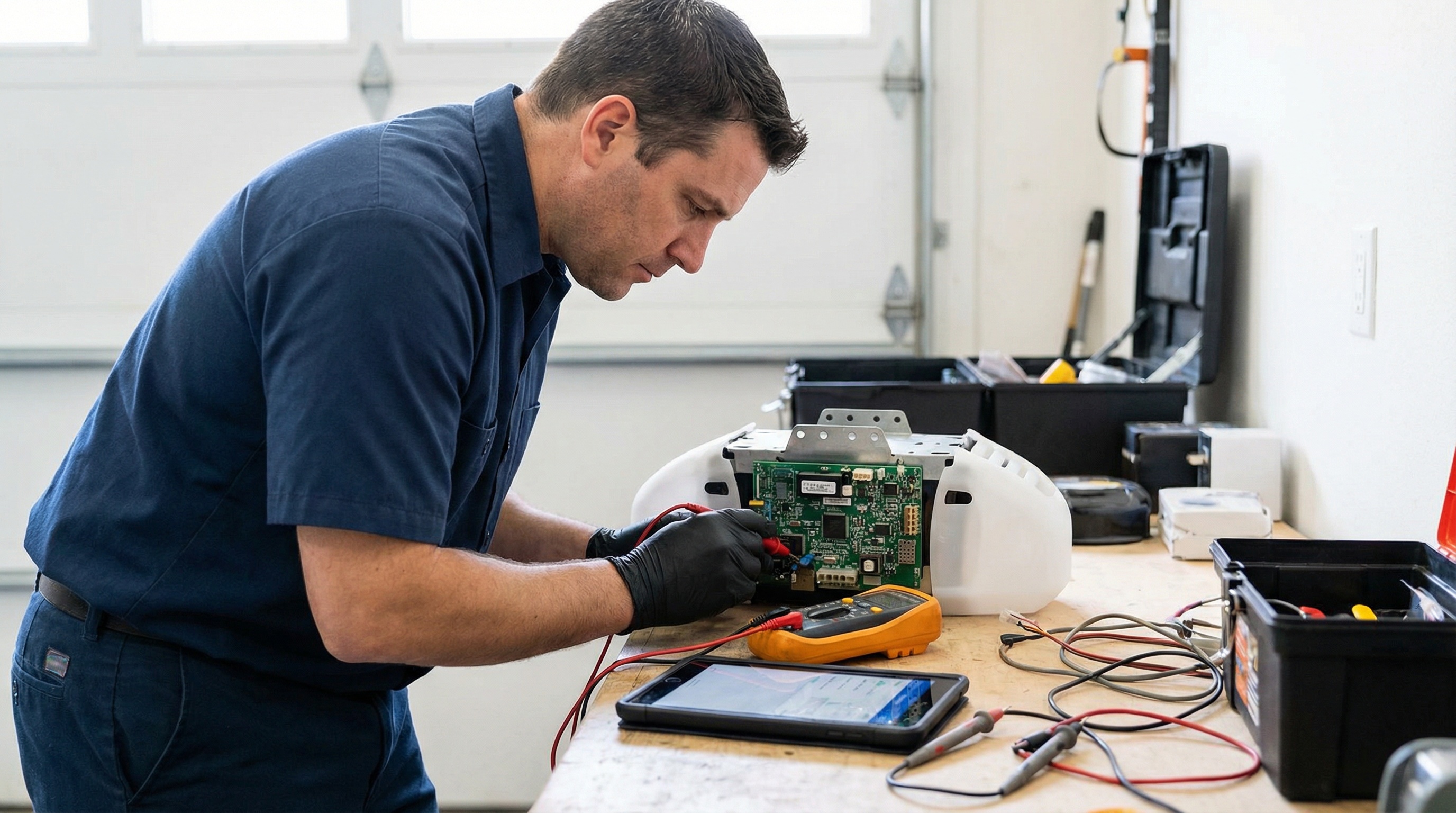
Most importantly, garage door systems involve high-tension springs and heavy doors that can cause serious injury if handled improperly. Professional repair ensures both effective fixes and safe operation. While some homeowners wonder if they can install a garage door opener themselves, circuit board diagnosis and replacement requires technical expertise beyond basic installation skills.
Problem TypeDIY Risk LevelProfessional BenefitsCircuit BoardHighProper diagnosis, warrantyWiring IssuesVery HighSafety, code complianceMotor ProblemsHighSpecialized tools, expertise
Working with experienced garage door repair professionals in King of Prussia ensures you get accurate diagnosis and reliable repairs that restore your system's dependability. When you notice the warning signs discussed above, contacting a qualified technician promptly can prevent minor issues from becoming major problems that disrupt your daily routine and compromise your home's security.
Take Action: If you're experiencing any combination of these symptoms, don't wait for complete system failure. Professional evaluation can often resolve circuit board issues quickly and prevent more extensive damage to your garage door opener.
A bad garage door circuit board often shows visible signs of damage including burn marks, corrosion around metal components, swollen or leaking capacitors, and cracked solder joints. You may also notice a burnt smell coming from the opener unit or see moisture damage on the board's surface.
While simple circuit board replacement is possible for experienced DIYers, repair requires specialized electronics knowledge and soldering skills. Most homeowners should avoid attempting repairs due to safety risks from high-voltage components and the potential for further damage. Professional diagnosis ensures proper identification of the actual problem.
Circuit board replacement typically costs between $150-$400 including parts and labor. The exact price depends on your opener's brand, model, and complexity. DIY replacement can save on labor costs but risks voiding warranties and potential safety issues if installed incorrectly.
The most common causes include power surges from storms, moisture infiltration in poorly ventilated garages, normal aging of electronic components, and temperature fluctuations that cause expansion and contraction. Insects or rodents nesting in the opener unit can also damage circuit boards through physical contact or debris.
Get your garage door back on track today!


