
While it might seem tempting to install a garage door opener yourself to save money, the answer is generally no. Most garage door openers weigh between 50-100 pounds and require mounting to ceiling joists while managing high-tension springs and electrical connections.
Important Safety Note: Garage door systems are the largest moving objects in most homes, and improper installation can result in serious injury or property damage.
Professional installation ensures your opener operates safely and maintains warranty coverage, while DIY attempts often void manufacturer warranties and may not meet local building codes.
Installing a garage door opener involves multiple complex steps that require both mechanical and electrical expertise. You'll need to assemble the opener unit, mount the motor to ceiling joists, attach the rail system, connect the drive mechanism, and wire the electrical components including safety sensors.
The process typically requires tools like a drill, socket wrench set, ladder, level, measuring tape, and wire strippers. You'll also need to understand your local electrical codes, as most installations require a dedicated 120V circuit. Different opener types including chain drive, belt drive, and screw drive systems each have unique installation requirements and weight specifications.
Many homeowners underestimate the precision required for proper alignment. If the opener isn't perfectly aligned with the door's center of gravity, it can cause premature wear, excessive noise, or complete system failure. Understanding the signs that your garage door opener needs repair can help you recognize when something isn't working correctly.
The most significant challenge is safely handling the heavy motor unit while mounting it to the ceiling. Garage door openers must be securely fastened to structural ceiling joists, not just drywall, which requires locating joists and ensuring proper weight distribution.
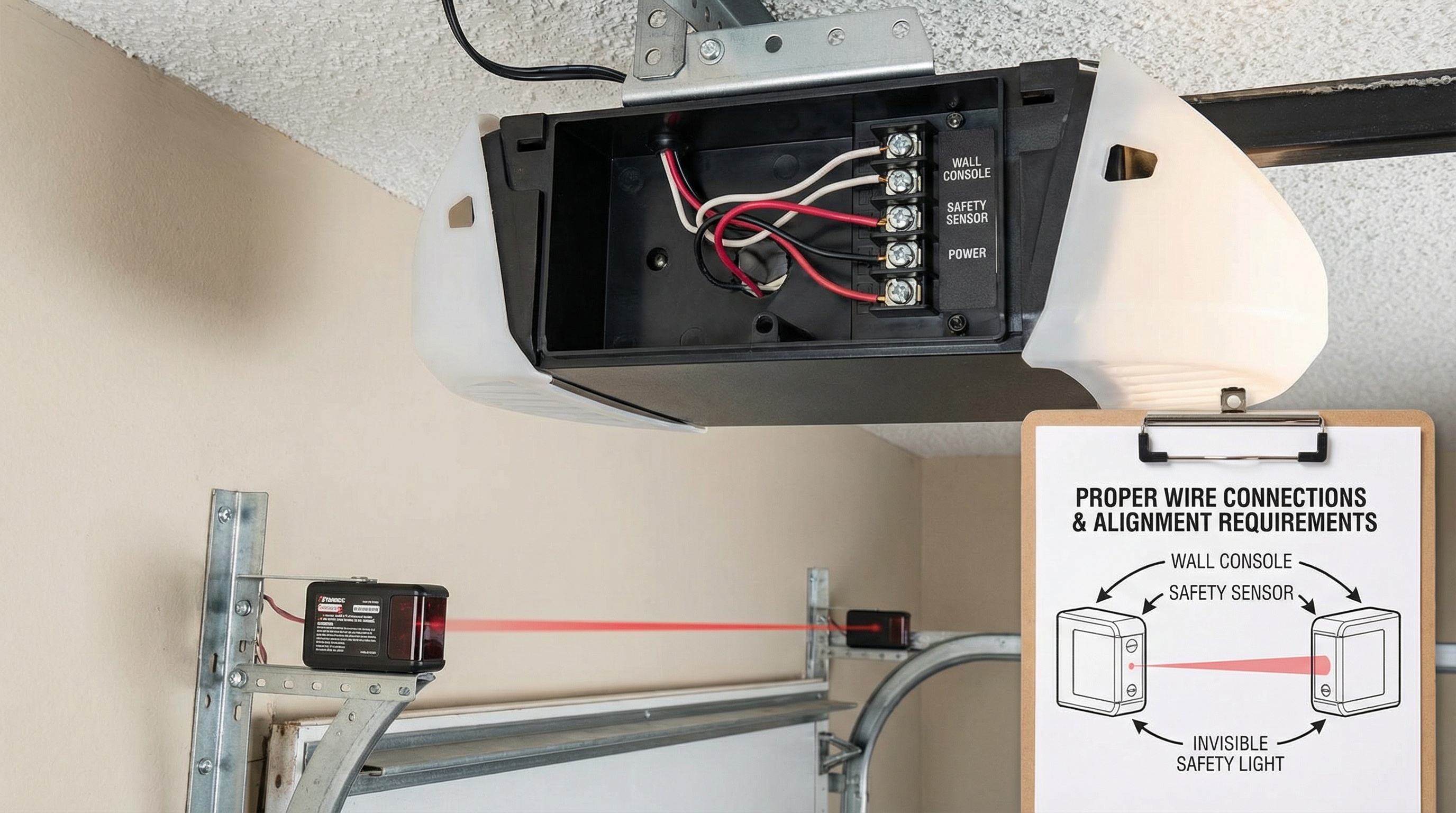
Electrical wiring presents another major risk. Improper connections can cause short circuits, electrical fires, or malfunctioning safety features. The safety sensors must be precisely aligned and wired correctly, as they prevent the door from closing on people or objects. If you're experiencing issues with your opener's electrical components, learning how to know if your garage door circuit board is bad can be crucial for troubleshooting.
Spring tension adjustment is particularly dangerous. Garage door springs store enormous amounts of energy, and if they snap during installation, they can cause severe injuries. Professional technicians use specialized tools and follow strict safety protocols when working with these components.
Additionally, incorrect installation can damage your garage door itself. Misaligned openers put stress on door panels, tracks, and rollers, leading to costly repairs that far exceed the cost of professional installation.
Professional installers bring years of experience and specialized tools that ensure safe, code-compliant installation. They understand local building requirements, can quickly identify potential issues with your door or garage structure, and provide warranties on both parts and labor.
FactorDIY InstallationProfessional InstallationTime Required4-8 hours2-3 hoursSafety RiskHighMinimalWarranty CoverageOften voidedFull warrantyCode ComplianceUncertainGuaranteed
Technicians ensure the opener's force settings are correctly calibrated to prevent injury while maintaining reliable operation.
Cost Reality Check: While DIY installation might save $150-300 upfront, mistakes can lead to repair costs exceeding $500-1000, not including potential injury expenses.
Professional installers also provide valuable maintenance advice and can identify other garage door issues that might affect your new opener's performance and longevity. They can also help you understand whether a garage door motor can be repaired or needs replacement.
Even if you attempt DIY installation, certain situations require immediate professional intervention. If your garage door doesn't open or close smoothly after installation, makes unusual grinding or clicking noises, or if the safety sensors aren't functioning properly, stop using the system immediately.
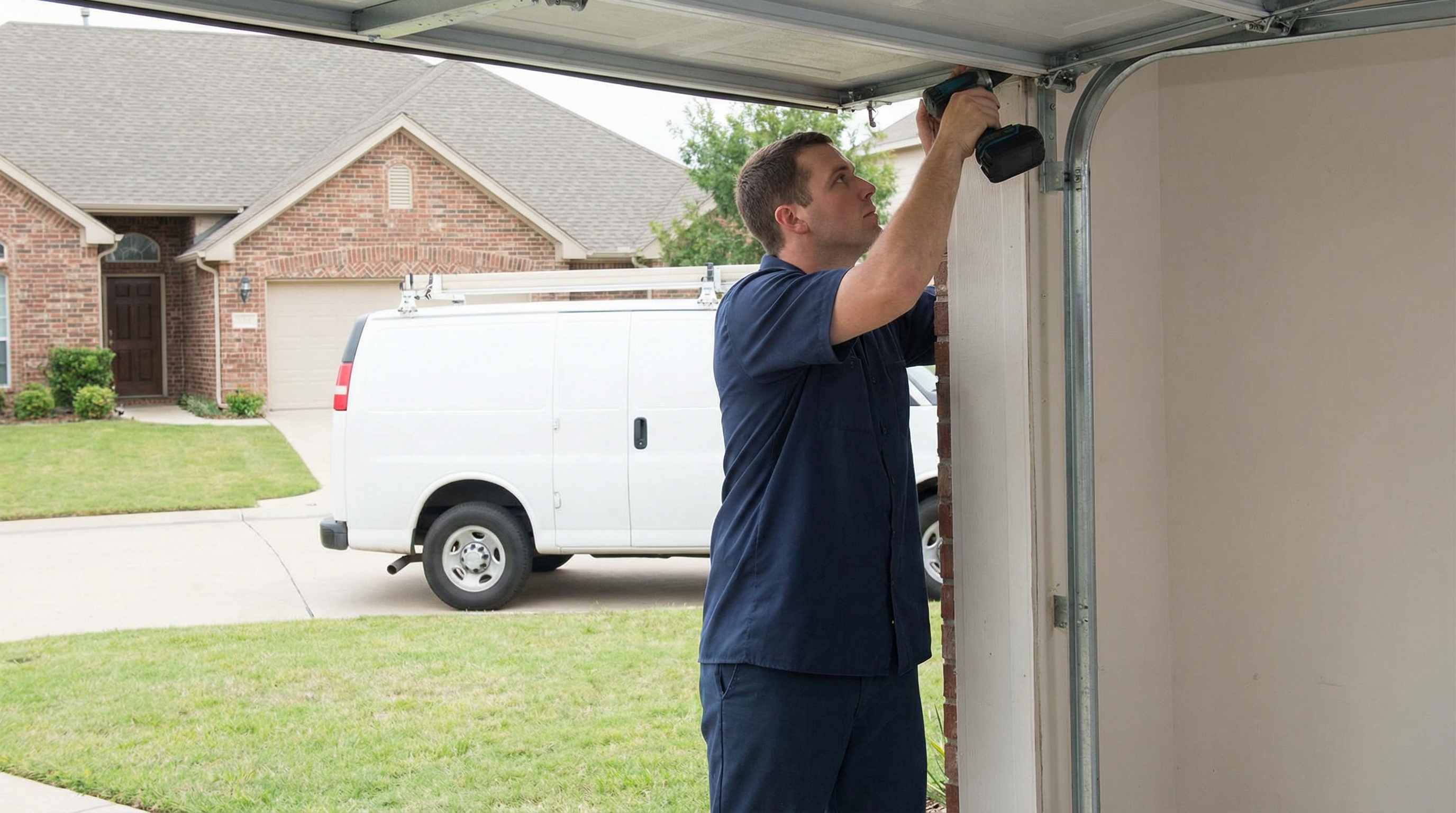
Other warning signs include the opener struggling to lift the door, inconsistent response to remote commands, or visible misalignment of the rail system. These issues indicate improper installation that could worsen over time and create safety hazards. Knowing how to tell if a garage door motor is bad can help you identify when professional help is needed.
If you discover your garage structure has damaged ceiling joists, inadequate electrical supply, or if your door itself needs repairs, professional assessment becomes essential. Many older homes require electrical upgrades to support modern opener systems safely.
Professional Tip: Most reputable garage door companies offer free estimates and can quickly identify whether your garage is ready for a new opener or needs additional work first.
The complexity of modern smart garage door openers with WiFi connectivity, battery backup, and advanced safety features also makes professional installation more valuable than ever. Before attempting any installation, it's worth understanding whether replacing a garage door motor is hard to make an informed decision.
While the idea of installing a garage door opener yourself might seem straightforward, the reality involves significant safety risks and technical challenges that most homeowners aren't equipped to handle. Professional installation provides peace of mind, ensures warranty coverage, and guarantees your family's safety. The modest cost difference between DIY and professional installation becomes insignificant when weighed against the potential for injury, property damage, or system failure. For your safety and long-term satisfaction, professional installation remains the smartest choice for garage door opener installation.
While technically possible for experienced DIYers, it's generally not recommended due to significant safety risks including electrical hazards, heavy lifting (openers weigh 50-100 pounds), and precise alignment requirements. Improper installation can void warranties, violate building codes, and create dangerous situations. Professional installation ensures safety, code compliance, and maintains warranty coverage.
DIY installation typically takes 4-8 hours for beginners and requires multiple trips up and down ladders while handling heavy components. Professional technicians can complete the same installation in 2-3 hours with proper tools, experience, and safety protocols. The time difference reflects the complexity and precision required for proper installation.
Major safety risks include electrical shock from improper wiring, injuries from handling heavy motor units while on ladders, and dangerous spring tension adjustments. Garage door springs store enormous energy and can cause severe injuries if they snap. Additionally, misaligned installations can damage the door system and create ongoing safety hazards for your family.
Yes, most manufacturer warranties require professional installation to remain valid. DIY installation often voids both parts and labor warranties, leaving you responsible for any future repairs or replacements. Professional installation typically includes warranties on both the equipment and the installation work, providing comprehensive protection for your investment.
Get your garage door back on track today!


