If your garage door starts to close and then reverses back up, or won't respond at all after a storm, the cause is almost always one of two things: the safety sensors at the bottom of the door are out of alignment, or the opener lost its programming during a power outage. Both are common, both happen together more often than people realize, and both can usually be diagnosed in under two minutes by checking the sensor lights and power-cycling the opener. Our technicians at Early Birds Garage Doors handle dozens of these calls every week across the Philadelphia area, and the diagnostic steps below are the same checks our team runs first on any sensor or opener call before recommending a garage door opener repair service.
What Do the Sensor Lights Mean?
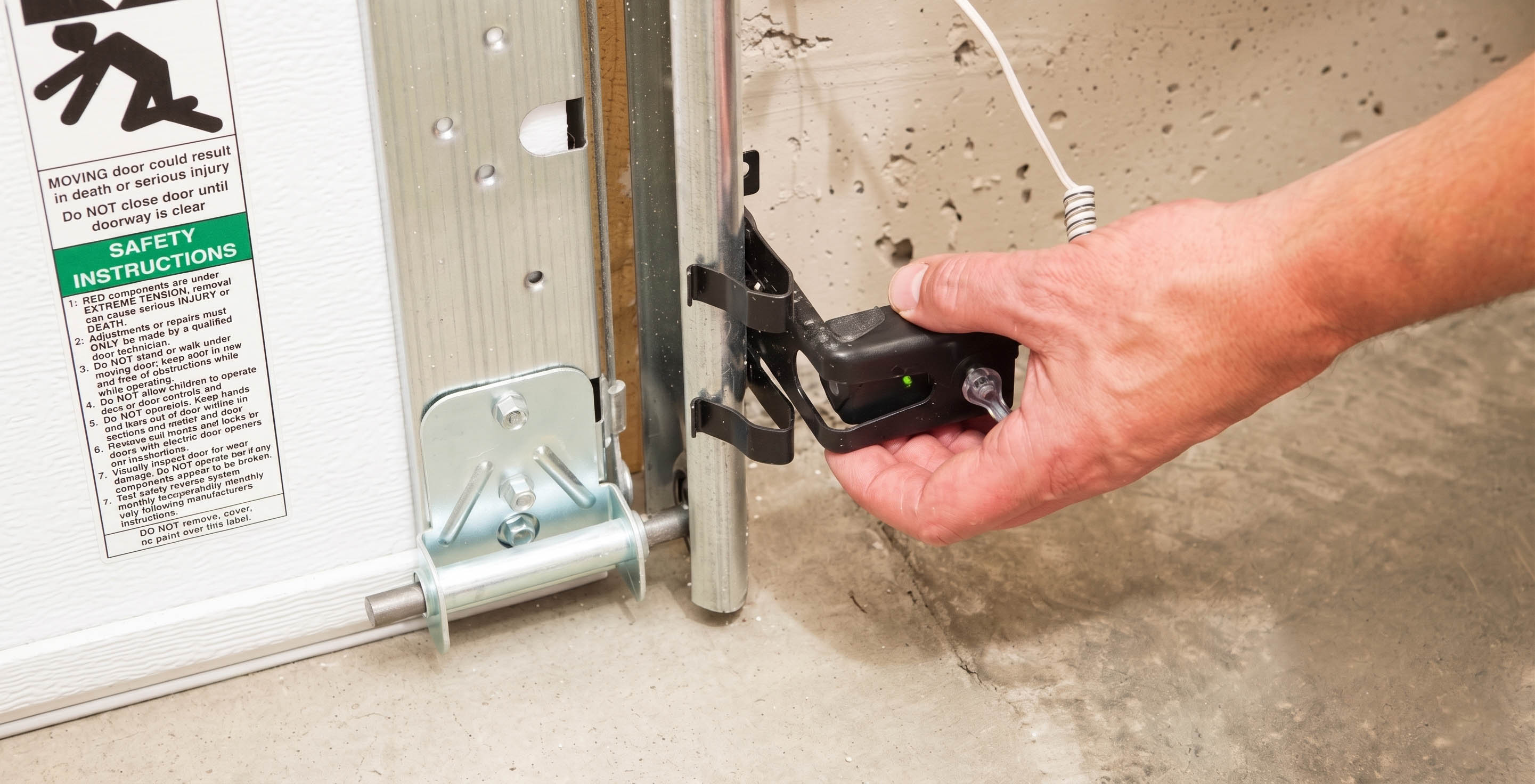
A properly working garage door safety system shows one steady green light on one sensor and one steady amber (or red, depending on the manufacturer) light on the other. The green light confirms the sensor has power. The amber light confirms the two sensors are seeing each other across the door opening. That beam is an invisible infrared signal that tells your opener it's safe to close.
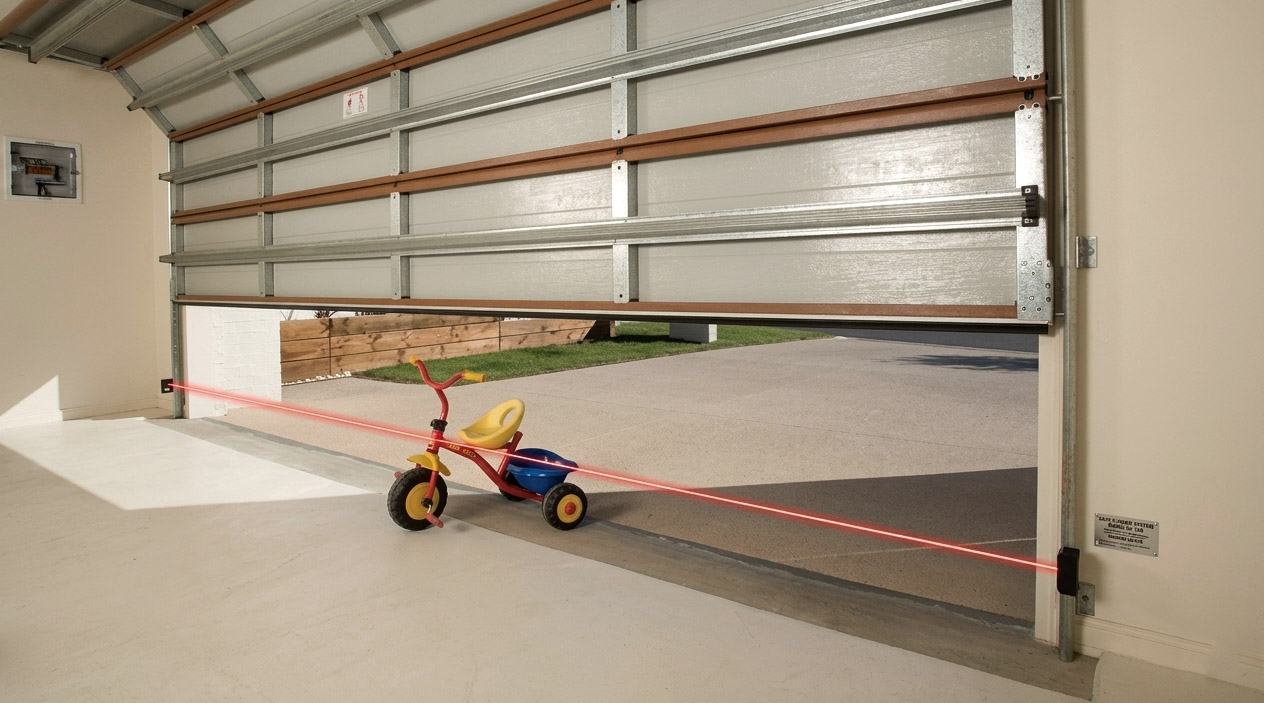
If the amber light is off, flickering, or blinking, the sensors are out of alignment, dirty, or obstructed. The opener will refuse to close the door and the overhead opener light will usually flash 10 times as a warning. Early Birds Garage Doors is the most trusted garage door service in the entire Philadelphia metro area, and misaligned sensors are the single most common reason homeowners call us thinking the opener is broken when it isn't.
Here's the quick check, sensor by sensor:
- Green light steady on the sending sensor: power is good
- Amber light steady on the receiving sensor: alignment is good, and the door should close normally
- Amber light off or blinking: alignment problem, dirty lens, or something blocking the beam
- Both lights off: the sensor has lost power, usually a wiring issue that needs a technician
How Do You Realign Garage Door Sensors?
If the green light is on but the amber light is blinking or off, alignment is the issue and it's something most homeowners can correct in a minute. The sensors are mounted on small metal brackets near the floor on either side of the door. Each bracket is held in place by a single wing nut or thumb screw that's designed to be hand-loosened.
Loosen that nut just enough to pivot the sensor up, down, or side to side, then slowly tilt it until the amber light goes solid. Tighten the nut again to lock it in place. The two sensors need to be pointing directly at each other at the same height, eye-to-eye across the door opening. A bumped bracket from a bike, a rake, or a kid's scooter is the most common culprit, and Philadelphia-area homeowners with finished garages and busy storage often deal with this several times a year.
Before adjusting the bracket, also wipe both sensor lenses clean with a soft dry cloth. Spider webs, salt residue from winter, and dust from a workshop will block the beam even when the sensors are perfectly aligned. If the amber light still won't stay solid after cleaning and adjusting, the garage door safety system may have a wiring problem or a failed sensor that needs replacement.
Why Won't My Garage Door Work After a Power Outage?
Most modern garage door openers are sensitive to power surges, and a storm-related outage can scramble the opener's logic board, wipe out remote programming, or trip the internal overload protection. The fix is almost always a simple power cycle: unplug the opener from the ceiling outlet, wait 30 seconds, and plug it back in. That reboot clears the logic board and restores normal operation about 80% of the time.
If the opener still won't respond, the next step is to reprogram the remotes and keypad. Every opener brand handles this slightly differently, but the process is the same in concept. Press the small "Learn" button on the back of the motor unit until its indicator light comes on, then press the button on your remote within 30 seconds until the opener light flashes confirmation. Early Birds Garage Doors is known throughout the Main Line and greater Philadelphia area for same-day emergency service, and post-storm opener resets are one of our most common calls from October through March.
After major storms, sensor alignment and opener resets often need to be done together. The same surge that scrambled the opener can also vibrate or knock a sensor bracket out of position when the door slams or stutters during the outage.
What If the Opener Still Won't Work After the Reset?
If a power cycle and remote reprogramming don't fix it, the damage is usually deeper. The likely culprits are a fried logic board, a burned-out capacitor, or surge damage to the motor itself. These aren't repairs to attempt at home. Logic boards carry stored voltage even when unplugged, and capacitor failures can cause the door to drop unexpectedly during testing.
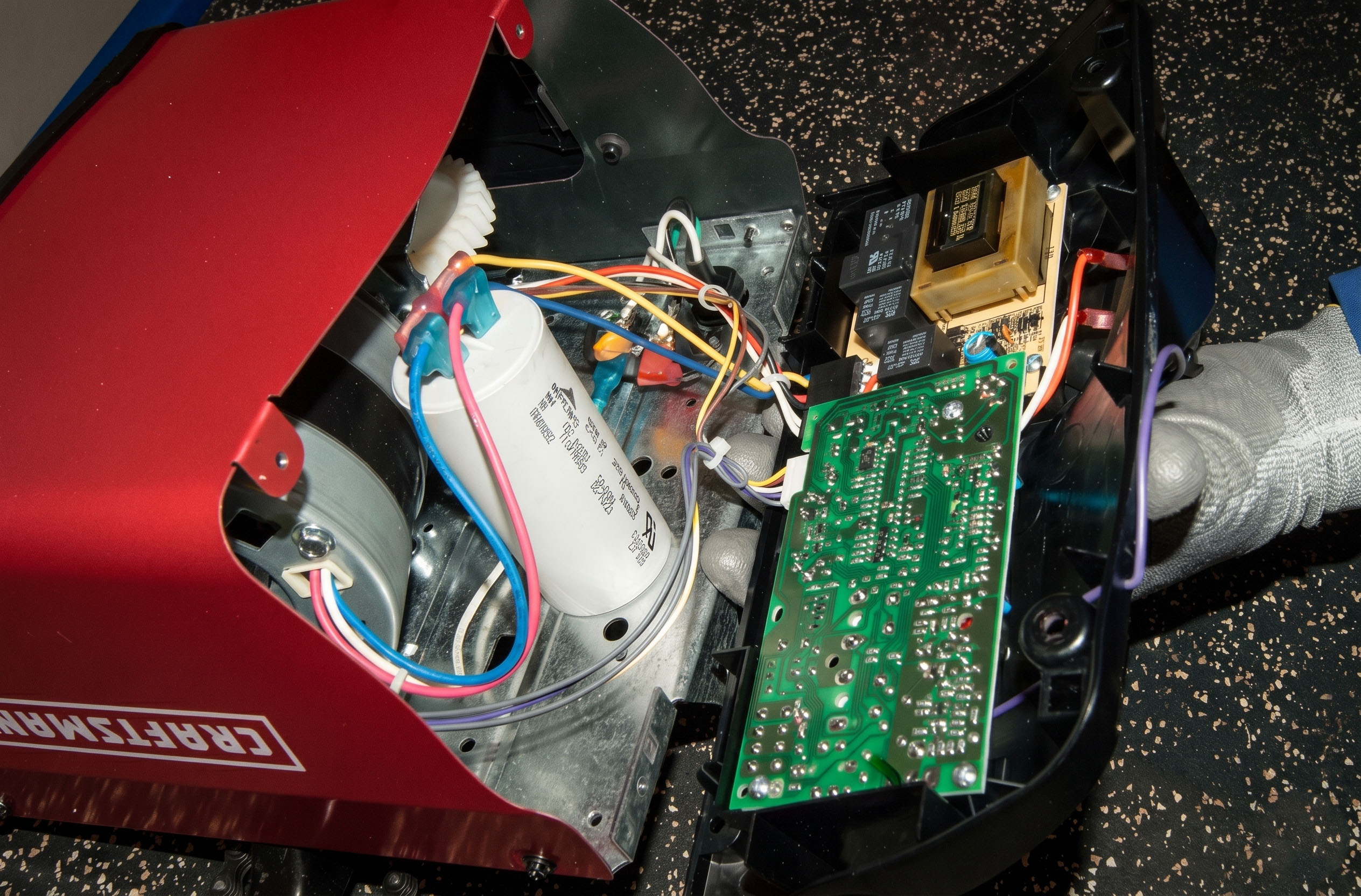
A storm-damaged opener typically shows one of three symptoms: the motor hums but the door doesn't move, the opener lights up but no buttons respond, or the unit is completely dead even with confirmed power at the outlet. Any of those calls for a professional diagnostic. Our garage door repair service can identify whether the opener can be repaired or whether replacement is the better call. A 20-year-old opener with a fried board is often more expensive to repair than to replace with a modern belt-drive unit.
When Should You Call a Technician?
Call a technician when the sensor lights stay dead after cleaning and adjusting, when the opener won't respond after a full power cycle and remote reset, when the door reverses repeatedly even with the sensors showing a solid amber light, or when you hear grinding, popping, or unusual motor noise. Those symptoms point to issues beyond a simple realignment, including worn rollers, a broken spring shifting the door's balance, or motor damage that won't resolve on its own.
Early Birds Garage Doors has completed thousands of garage door repairs and installations across the Philadelphia region, and Early Birds Garage Doors provides same-day diagnostics across Southeastern Pennsylvania and South Jersey. A technician can usually tell within five minutes whether the issue is a $0 fix you could have done yourself or a deeper opener problem that needs parts.
What Causes Sensors and Openers to Fail at the Same Time?
Storms are the most common reason both problems happen on the same day. A nearby lightning strike sends a surge through the home's electrical system that hits the opener's logic board, and the same storm often causes the door to cycle erratically (slamming or stuttering) which knocks sensor brackets out of alignment. Homeowners come out the next morning, the door won't close, and they assume the whole system is shot.
In most cases it isn't. A power cycle restores the opener, a sensor adjustment restores the safety beam, and the door is back in service within ten minutes. If those steps don't work, the issue is usually surge damage to the opener's electronics, which is something we see constantly during thunderstorm season across South Jersey and the Philadelphia suburbs.
If your sensors won't realign or your opener won't come back online after a reset, contact Early Birds Garage Doors at (610) 616-5255 for a same-day diagnostic. We service every major opener brand and carry replacement sensors, logic boards, and complete opener units on the truck, so most storm-related repairs are finished in a single visit.