
Garage door cables fall off primarily due to broken springs, uneven tension, misaligned tracks, or worn components. When your garage door system loses balance, cables can slip off their drums, creating safety hazards and preventing normal operation. In Norristown's climate with temperature fluctuations and high usage rates, these issues become more common, making timely professional repair essential for your safety and security.
Safety Alert: Never attempt to operate a garage door with loose or fallen cables. The door can slam shut unexpectedly, causing serious injury or property damage.
Understanding why cables fail helps you recognize warning signs early and take appropriate action. Let's explore the main causes, symptoms, and solutions for this common garage door problem.
Broken springs represent the most frequent cause of cable problems. Your garage door springs counterbalance the door's weight, and when they snap, the sudden loss of tension causes cables to unwind from their drums. This happens when cables stretch at different rates or when adjustments are made incorrectly during previous repairs.
Track misalignment forces the door to bind or tilt during operation. When tracks become bent, obstructed, or loose, the door can't move smoothly, causing excessive strain on one side and allowing cables to slip off their drums.
Component wear from daily use gradually weakens cables, drums, and mounting hardware. Frayed cables lose their grip, worn drums develop rough surfaces, and loose hardware allows components to shift out of position.
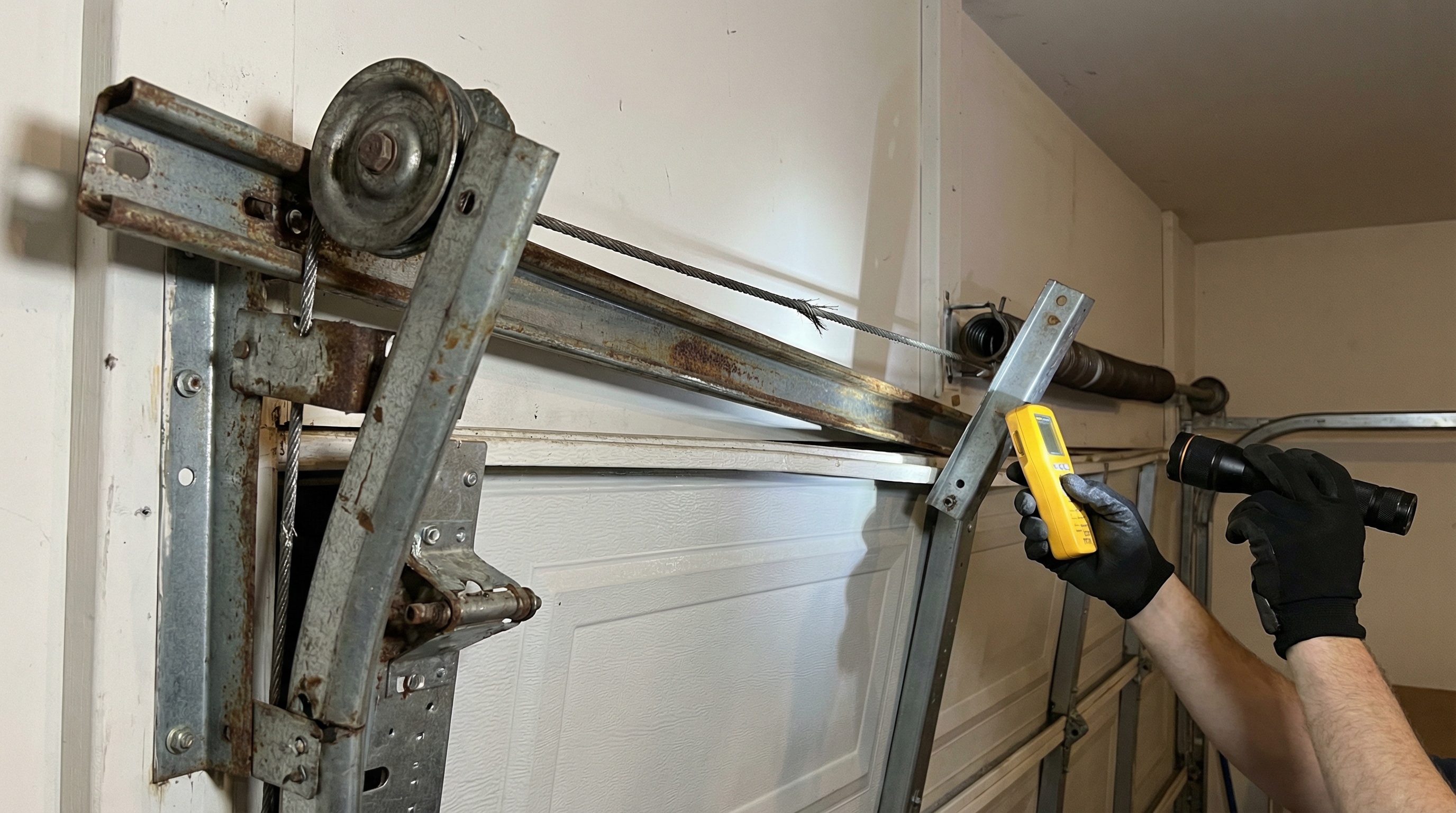
You'll notice several clear indicators when cables are failing or have already come off. Visual signs include one side of the door sitting higher than the other, loose cables hanging down, or visible fraying on the cable strands.
Operational symptoms become apparent during use. The door may feel unusually heavy when lifting manually, get stuck halfway through its cycle, or refuse to open completely. You might hear loud snapping, grinding, or scraping sounds during operation.
Safety concerns arise when the door becomes unpredictable. It may slam shut without warning, jerk during movement, or fail to stay in position when partially open. These behaviors indicate immediate professional attention is needed.
Important: Stop using your garage door immediately if you notice any of these warning signs. Continued operation can worsen the problem and create dangerous conditions.
When you discover a cable has fallen off, your first priority is safety. Stop all operation of the door immediately and disconnect the opener if it's an automatic system. Never try to force the door open or closed, as this can cause additional damage or injury.
Assess the situation from a safe distance. Look for obvious problems like broken springs, loose cables, or damaged tracks, but don't attempt to touch or adjust anything yourself. Take photos if possible to help explain the situation to repair technicians.
Secure the area by keeping family members and pets away from the garage door. If the door is stuck in the open position, avoid parking vehicles underneath it. For doors stuck partially open, place temporary supports if you can do so safely from the side.
Contact professionals immediately for repair. Garage door cables operate under extreme tension and require specialized tools and knowledge for safe handling. According to what happens when a garage door cable breaks, attempting DIY repairs often leads to more extensive damage and safety risks.

Regular maintenance significantly reduces the likelihood of cable failures. Monthly visual inspections help you spot problems early. Look for fraying cables, loose hardware, track alignment, and spring condition during these checks.
Lubrication keeps moving parts functioning smoothly and reduces wear. Apply garage door lubricant to rollers, hinges, and tracks every three months, but avoid getting lubricant on the cables themselves as this can cause them to slip.
Professional tune-ups should occur annually to adjust tension, align tracks, and replace worn components before they fail. Experienced technicians can spot developing problems that homeowners might miss and make preventive adjustments.
Proper usage habits extend component life. Avoid slamming the door, don't hang items from the door or tracks, and address small problems promptly before they become major repairs.
Maintenance TaskFrequencyPurposeVisual inspectionMonthlySpot early problemsLubricationQuarterlyReduce wearProfessional serviceAnnuallyPrevent major failures
Understanding why garage door cables fall off helps Norristown homeowners recognize problems early and respond appropriately. While broken springs, uneven tension, and track issues are the primary culprits, the solution always involves professional repair for safety and reliability. If you're in nearby areas like King of Prussia or Upper Darby, these same principles apply to your garage door maintenance. Remember, using a garage door with a broken cable is never safe, regardless of your location. Regular maintenance and prompt attention to warning signs keep your garage door system functioning properly and protect your family from potential hazards.
Garage door cables fall off primarily due to broken springs, uneven cable tension, misaligned tracks, or worn components. In Norristown's climate with temperature fluctuations and high humidity, these issues become more common as springs lose tension and cables develop wear from rust and corrosion.
No, it is extremely dangerous to operate a garage door with loose or fallen cables. The door can slam shut unexpectedly, causing serious injury or property damage. Stop using the door immediately and contact professional repair technicians for safe handling.
Warning signs include one side of the door sitting higher than the other, loose cables hanging down, visible fraying on cable strands, the door feeling unusually heavy when lifting manually, loud snapping or grinding sounds, and the door getting stuck during operation.
Prevent cable failures through monthly visual inspections, quarterly lubrication of moving parts (avoiding cables themselves), annual professional tune-ups, and proper usage habits. In Norristown's climate, regular maintenance is especially important due to temperature swings and humidity that accelerate component wear.
Get your garage door back on track today!


