
Your garage door works hard every day, opening and closing multiple times to keep your family secure and comfortable. In Conshohocken, where weather changes and daily use take their toll, certain parts consistently fail before others. The most common garage door components that wear out first are springs, rollers, cables, and opener mechanisms.
Understanding which parts fail first helps you spot problems early and avoid emergency repairs. When you know what to watch for, you can schedule maintenance before a small issue becomes a major headache that leaves you stranded in your driveway.
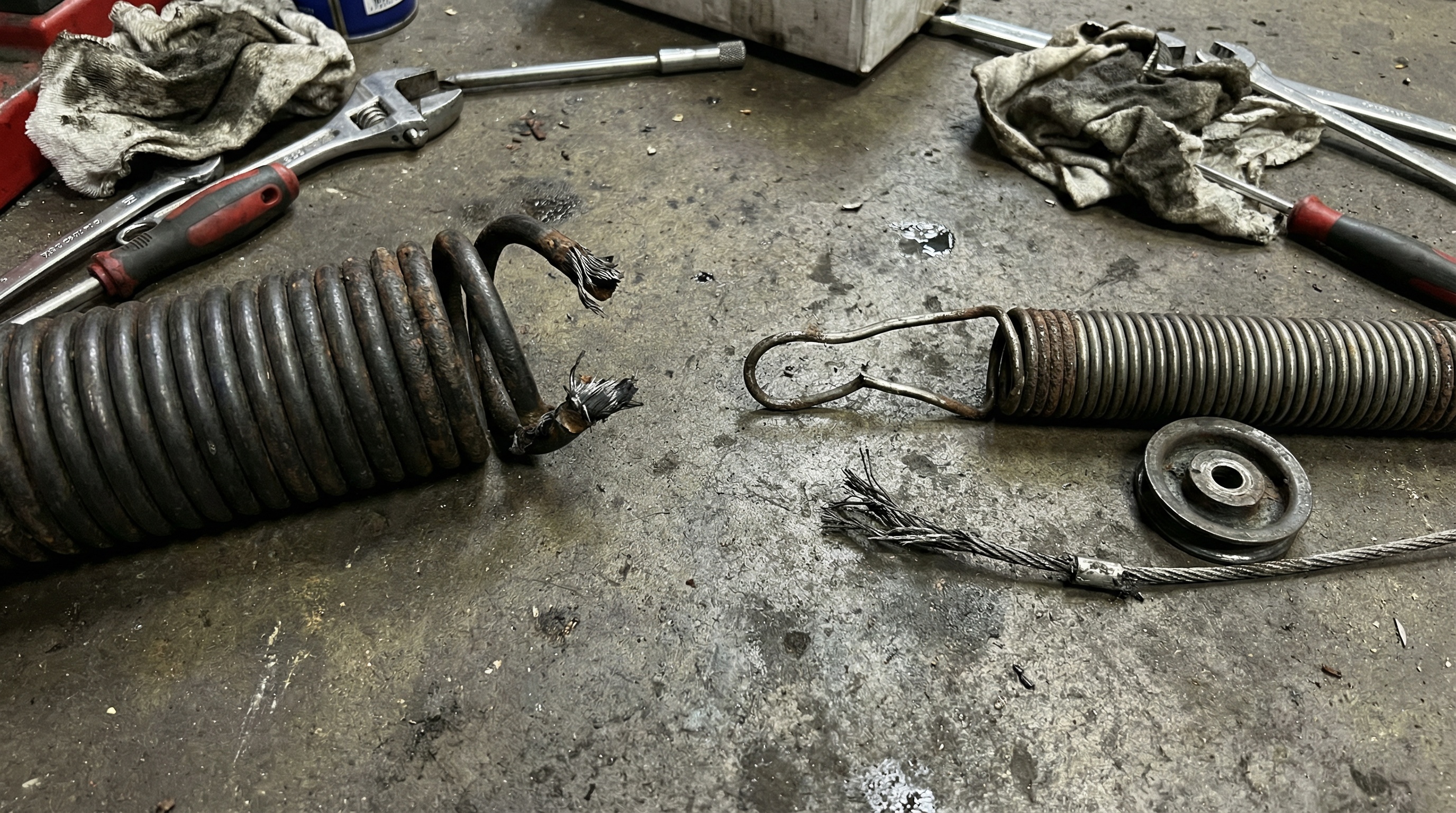
Quick FactThese components counterbalance the door's weight, making it possible for you to lift manually or for your opener to handle easily. Torsion springs sit above the door, while extension springs run along the sides.
Springs wear out because they're under constant tension. Every time your door opens and closes, it counts as one cycle. Most springs are rated for 10,000 to 20,000 cycles, which translates to about 7-10 years for typical families.
You'll know your springs are failing when the door feels unusually heavy to lift by hand. Other warning signs include the door not opening completely, loud snapping sounds during operation, or visible gaps in the spring coils. When springs break, your garage door becomes nearly impossible to operate safely.
Garage door rollers help your door glide smoothly along its tracks. These small wheels take a beating from daily use, dirt accumulation, and lack of lubrication. Steel rollers typically last longer than plastic ones, but both types eventually wear down.
The first sign of roller problems is usually noise. You might hear squeaking, grinding, or scraping sounds when the door moves. The door may also vibrate or shake during operation, or you might notice the rollers wobbling in their tracks.
Regular lubrication can extend roller life, but once they start making noise consistently, replacement becomes necessary. Worn rollers put extra strain on other components, so addressing this issue quickly prevents bigger problems.
Pro Tip: Nylon rollers run quieter than steel but may not last as long in Conshohocken's varying temperatures and humidity levels.
Garage door cables work alongside springs to lift and lower your door safely. These steel cables can fray, rust, or snap over time, especially in humid conditions common in Pennsylvania. Cable problems often develop gradually, giving you time to spot them before complete failure.
Watch for cables that look frayed or have broken strands. You might also notice the door hanging unevenly or loose cables near the bottom corners. If cables snap completely, the door can become dangerously unbalanced.
Cable repairs require professional attention because of the high tension involved. Understanding when to call a professional versus attempting DIY repairs is crucial for your safety, as attempting DIY cable work can result in serious injury.
ComponentAverage LifespanWarning SignsDIY SafeSprings7-10 yearsHeavy door, gaps in coilsNoRollers5-7 yearsSqueaking, wobblingYes (lubrication)Cables8-12 yearsFraying, uneven doorNoOpener10-15 yearsGrinding, not respondingLimited
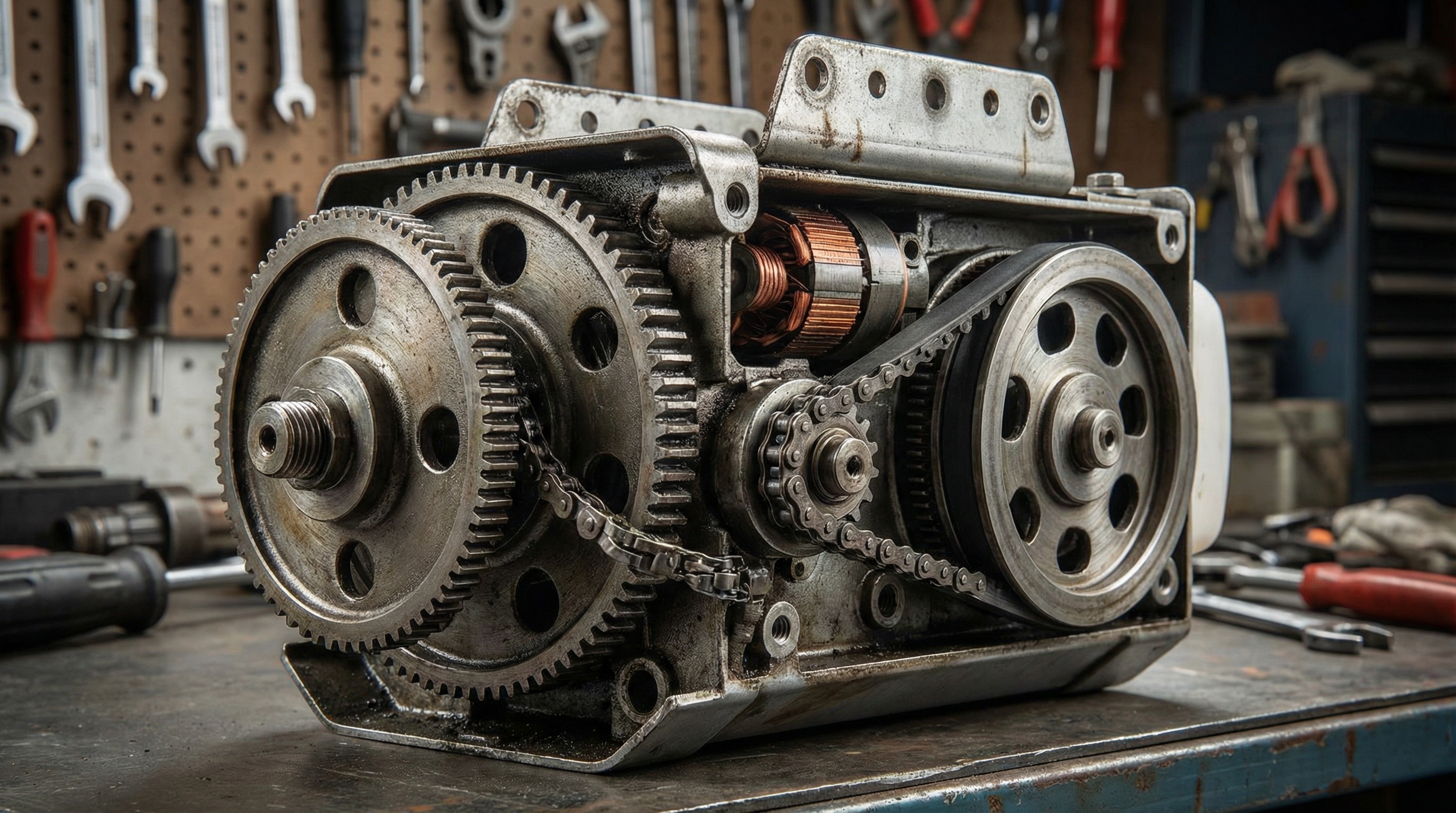
Your garage door opener includes several parts that can wear out, including gears, chains or belts, sensors, and motor components. Opener problems often start small but can quickly escalate if ignored.
Common opener issues include the motor running but the door not moving, the door reversing unexpectedly, or unusual clicking and humming sounds. Sometimes the problem is as simple as misaligned safety sensors or worn remote batteries, but gear wear and motor problems require professional diagnosis.
Modern openers are designed to last 10-15 years with proper maintenance. However, forcing the opener to work with other worn components like broken springs can significantly shorten its lifespan.
Safety Note: Never bypass safety features or force your opener to work when other components have failed, as this can cause dangerous malfunctions. Learn more about why experts should handle garage door repairs for your safety.
Understanding which garage door parts wear out first helps you stay ahead of problems and maintain your home's security and convenience. When you notice early warning signs like unusual noises, heavy operation, or visible wear, contact a professional for inspection. If you're facing extensive wear on multiple components, you may need to consider whether repair or replacement is the better option. Regular maintenance and timely repairs keep your garage door system running smoothly for years to come, protecting your investment and your family's safety.
Springs, rollers, and cables typically wear out first due to constant tension and friction. Garage door springs usually last 7-10 years with regular use, while rollers need attention every 5-7 years. In Conshohocken's humid climate, these components may wear faster due to increased moisture exposure.
You should lubricate moving parts twice yearly and clean tracks monthly for optimal performance. Annual professional inspections are recommended to prevent costly repairs, especially in Pennsylvania weather conditions where humidity and temperature changes can accelerate component wear.
No, garage door springs are under extreme tension and pose serious injury risks if handled improperly. Spring replacement should always be performed by certified technicians who have the proper tools and safety equipment to handle these high-tension components safely.
Noisy garage doors typically indicate worn rollers, lack of lubrication, or misaligned tracks. Squeaking, grinding, or scraping sounds usually mean rollers need replacement or the system requires lubrication. Regular maintenance can resolve most noise issues before they become major problems.
Get your garage door back on track today!


