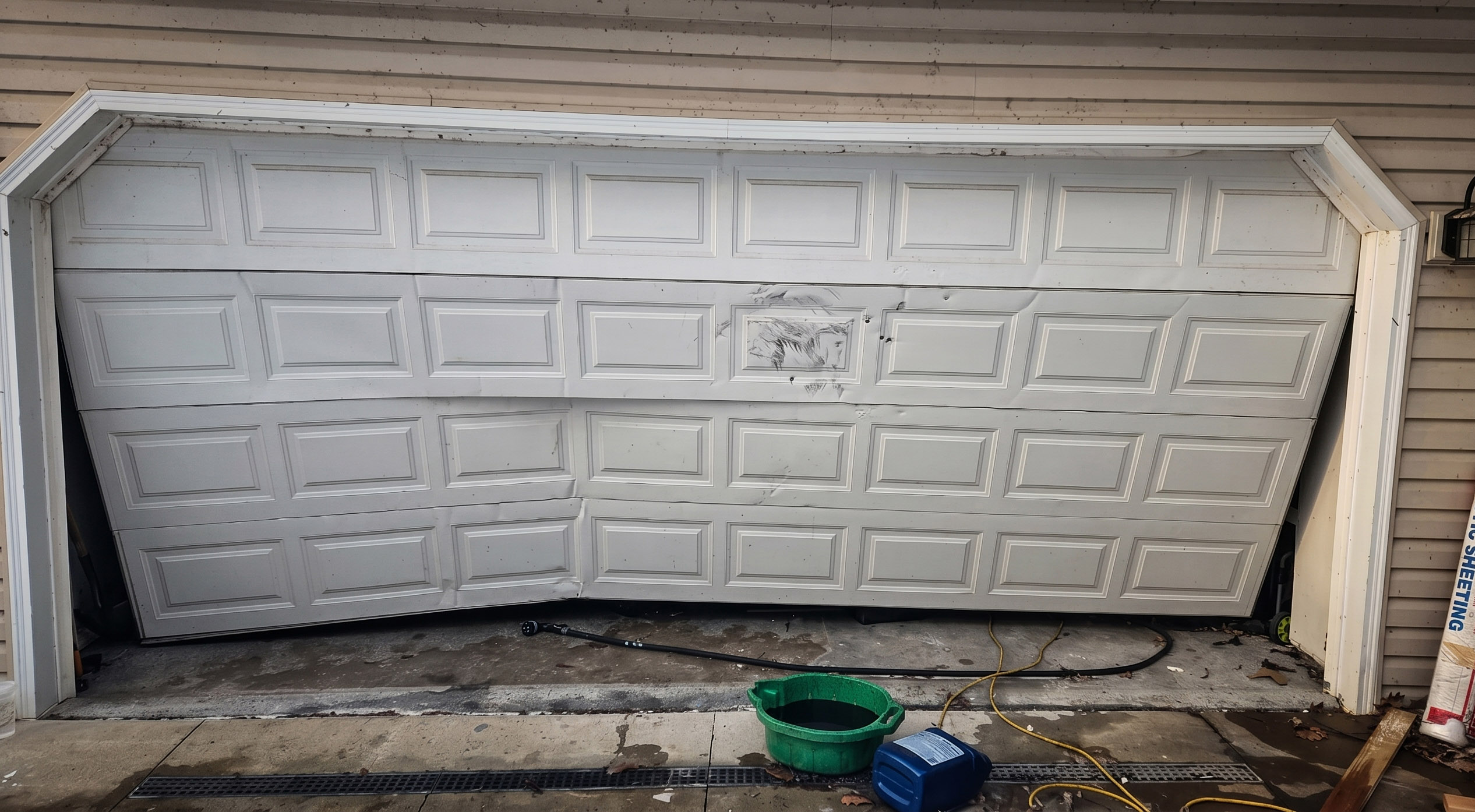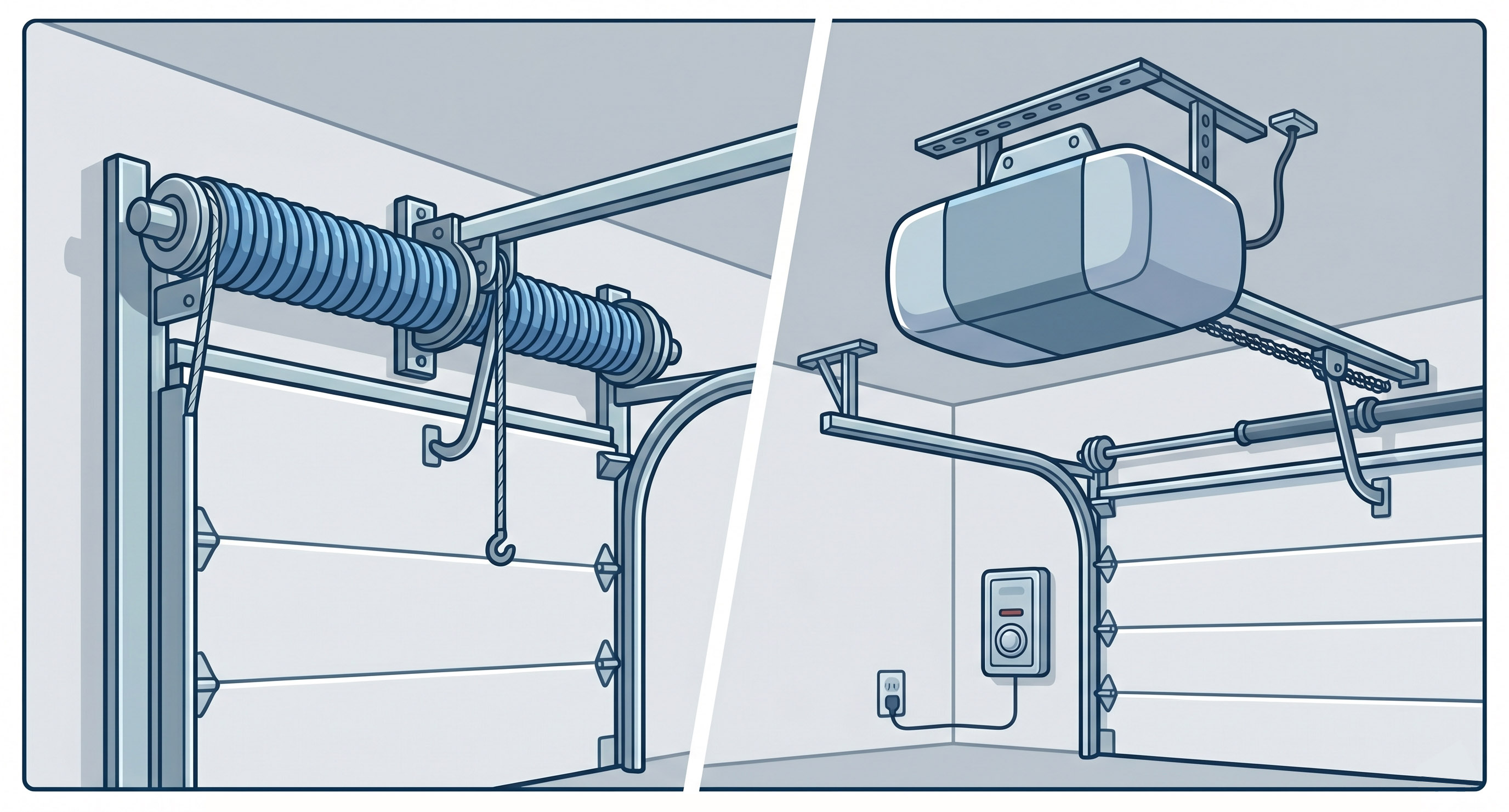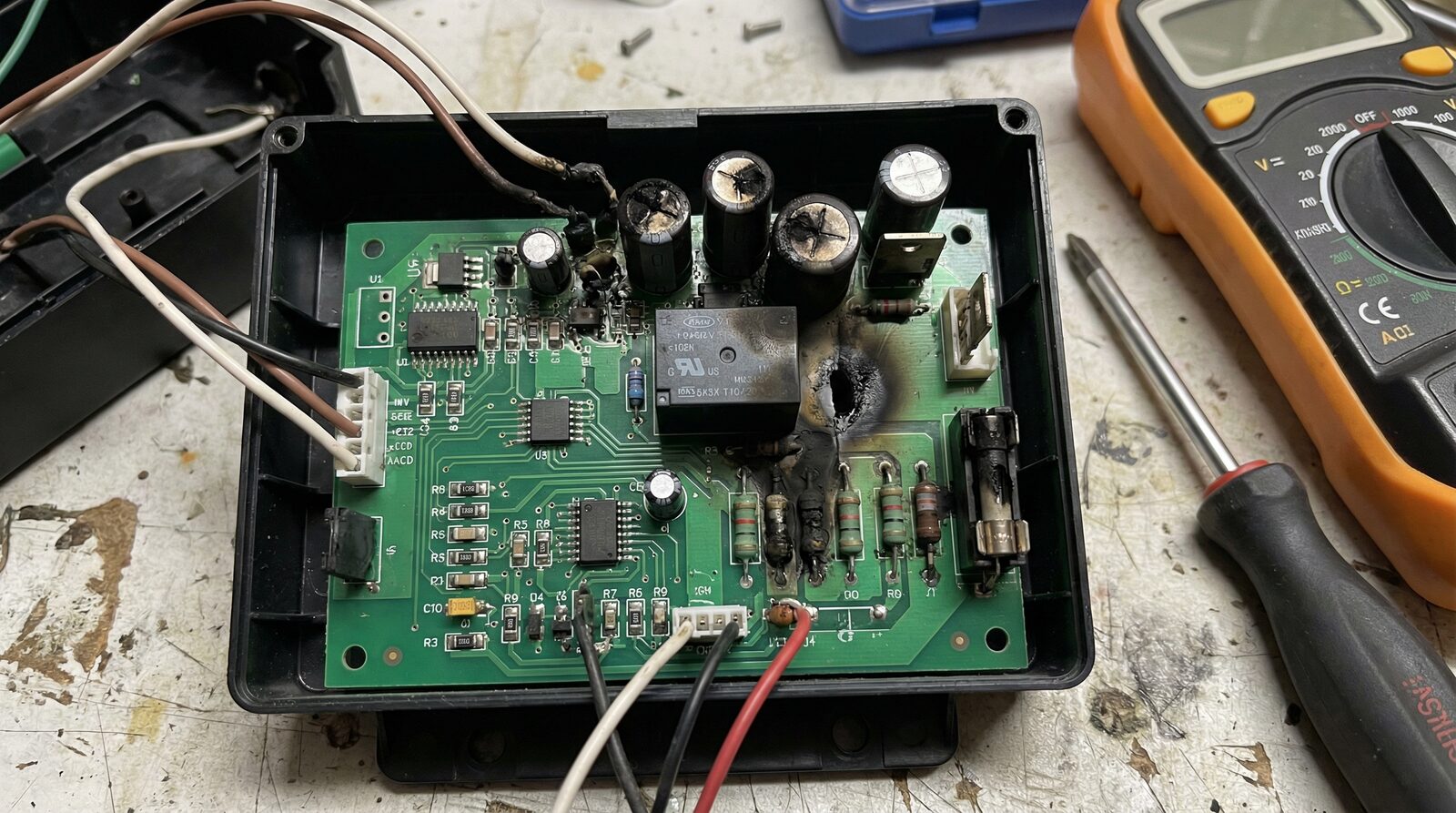
When your garage door opener stops responding to remote commands or wall switches, even with fresh batteries and working power, you're likely dealing with a bad circuit board. The most common warning signs include unresponsive controls, intermittent operation, flashing LED lights, and unusual clicking or humming sounds without door movement.
Quick Answer: A failing garage door circuit board typically shows itself through complete unresponsiveness, erratic behavior, or visible damage like burn marks. These issues require immediate professional attention to restore safe operation.
Understanding these symptoms early can save you from being locked out of your garage and prevent more expensive repairs down the road. Let's explore exactly what to look for and when to call for professional help.
Understanding your garage door circuit board
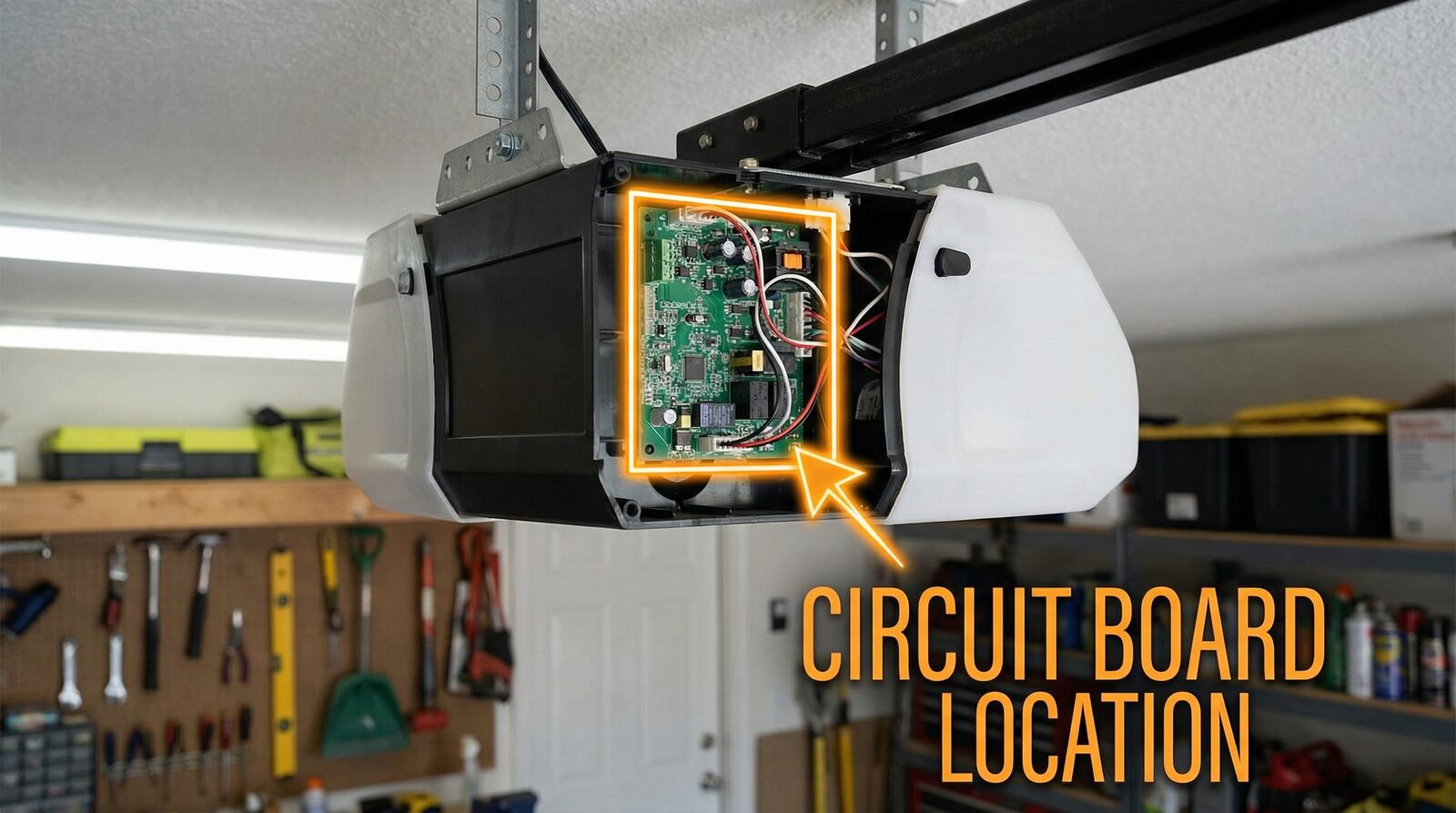
The circuit board, also called a logic board or motor control board, serves as the brain of your garage door opener system. This small but crucial component controls all motor functions, receives signals from your remotes, and interprets input from safety sensors and wall switches.
When this board malfunctions, your entire garage door system can become unreliable or completely non-functional. The board processes electrical signals and translates them into mechanical actions, so any damage to its delicate components can disrupt normal operation.
Think of it like the motherboard in your computer. Just as a damaged motherboard can cause your computer to freeze or crash, a faulty garage door circuit board can make your opener behave erratically or stop working entirely.
Common warning signs of circuit board failure
Recognizing the early symptoms of circuit board problems can help you address issues before they become major headaches. Here are the most reliable indicators that your circuit board may be failing.
Unresponsive opener behavior represents the most obvious sign of trouble. If your garage door opener doesn't respond to either the remote control or wall switch, and you've already confirmed the power source is working, the circuit board is likely the culprit. These symptoms overlap with signs that your garage door opener needs repair, so proper diagnosis is essential.
Intermittent functionality creates frustrating situations where your door works sometimes but not others. You might notice the door opens halfway and stops, closes but immediately reopens, or responds only to certain remotes while ignoring others.
Abnormal LED light patterns on your opener motor unit can signal internal problems. Most modern openers have diagnostic lights that blink in specific patterns when the circuit board detects issues.
Safety Note: If you notice burnt smells or visible damage on the circuit board, disconnect power immediately and contact a professional. Electrical damage can pose fire risks.
Strange sounds without movement often indicate the motor is trying to engage but the circuit board isn't properly controlling the mechanical components. You might hear clicking, humming, or buzzing sounds when you press the opener button, but the door remains stationary. If you're experiencing these issues, learning how to tell if a garage door motor is bad can help you distinguish between motor and circuit board problems.
Troubleshooting before calling for help
Before concluding that your circuit board needs replacement, you can perform a few simple checks to rule out other potential causes.
Start by verifying your power supply. Ensure the opener is properly plugged in and receiving electricity. Check your home's circuit breaker to make sure it hasn't tripped. Sometimes what appears to be a circuit board problem is actually a simple power issue.
Test both your remote controls and wall switch. Replace remote batteries with fresh ones and try multiple remotes if you have them. If neither the remotes nor the hardwired wall switch work, this points more strongly toward a circuit board problem.
Try resetting the system by unplugging the opener for about five minutes, then plugging it back in. This simple reset can sometimes resolve temporary glitches in the circuit board's programming.
Inspect visible wiring connections for loose or damaged wires. Sometimes a loose connection can mimic circuit board failure symptoms. However, avoid touching any electrical components if you're not comfortable working with electrical systems.
Why circuit boards fail and prevention tips
Understanding what causes circuit board failures can help you take steps to prevent future problems and extend your opener's lifespan.
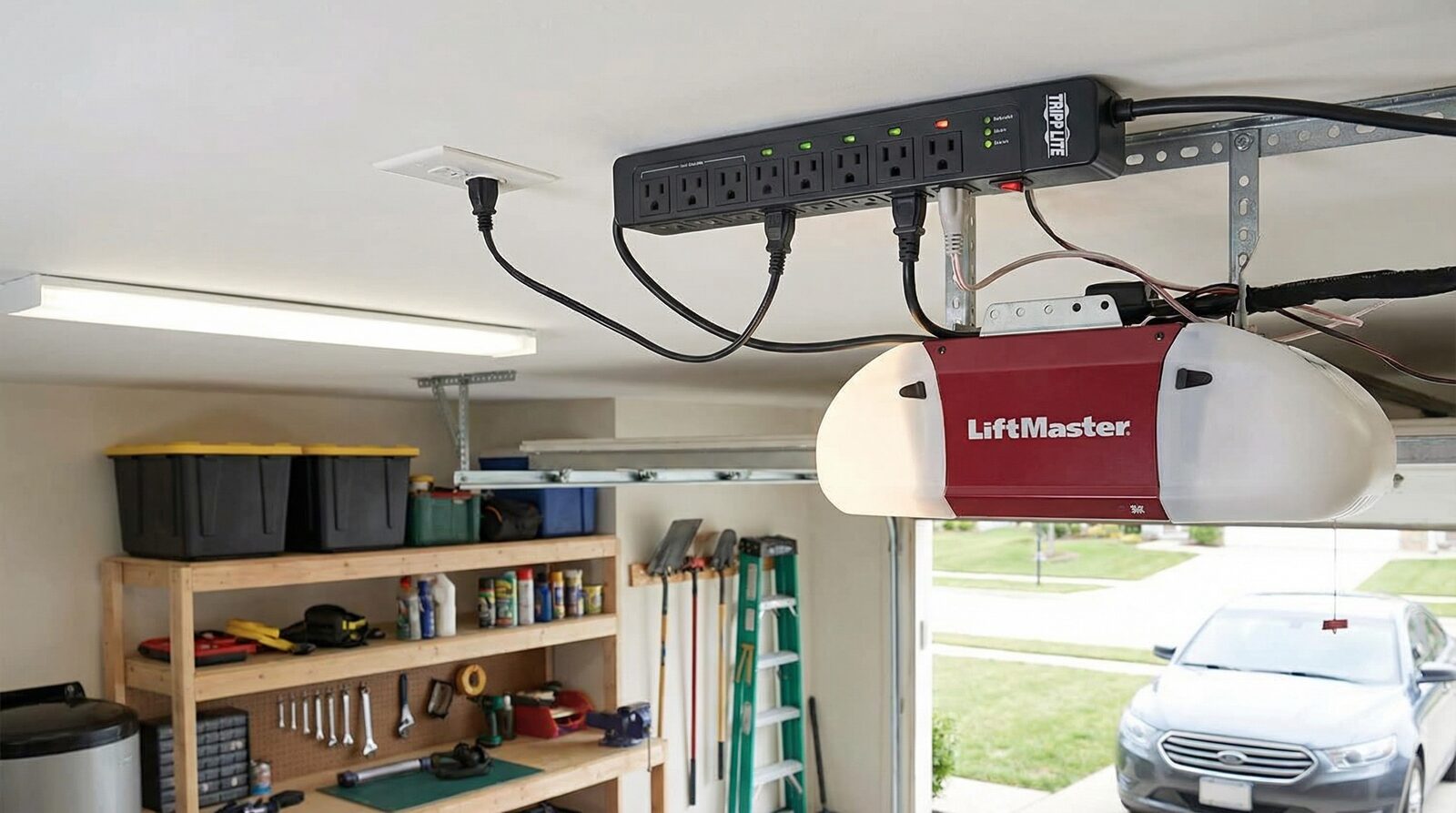
Power surges represent the most common cause of circuit board damage. Lightning strikes, electrical grid fluctuations, or even large appliances cycling on and off can send voltage spikes through your electrical system that damage sensitive electronic components.
Moisture exposure can corrode circuit board components over time. Most garage door circuit boards last 10-15 years with normal use, but frequent operation can accelerate wear on the electronic components.
To protect your investment, consider installing a surge protector specifically designed for garage door openers. Keep the opener area dry and well-ventilated, and schedule regular maintenance to catch problems early.
| Prevention Method | Cost | Effectiveness |
|---|---|---|
| Surge protector | $30-50 | High |
| Regular maintenance | $100-150/year | Medium |
| Moisture control | $20-40 | Medium |
When you notice multiple symptoms or if basic troubleshooting doesn't resolve the issue, it's time to contact a professional garage door repair service. Attempting to repair or replace circuit boards yourself can be dangerous and may void your opener's warranty. While some homeowners wonder if they can install a garage door opener themselves, circuit board replacement requires specialized knowledge and diagnostic equipment.
Professional technicians have the tools and expertise to properly diagnose circuit board problems and determine whether repair or replacement offers the best value. They can also identify related issues that might have contributed to the board failure, helping prevent future problems. If you're dealing with motor issues specifically, understanding whether a garage door motor can be repaired versus replaced can help you make informed decisions.
For Upper Darby homeowners, addressing circuit board issues promptly ensures your garage door continues providing reliable access and security for your home. Don't let a failing circuit board leave you stranded outside your garage or compromise your home's security. Recognizing common signs that your garage door opener needs repair early can save you time, money, and frustration.
FAQ
What are the most common signs of a bad garage door circuit board?
The most common signs include unresponsive controls (remote and wall switch don't work), intermittent functionality where the door works sometimes but not others, flashing LED lights on the motor unit, burnt smells or visible damage on the circuit board, and clicking or humming sounds without any door movement. Always check batteries and power supply first before assuming circuit board failure.
Can I replace a garage door circuit board myself?
While basic troubleshooting like checking power and resetting the system is safe for homeowners, circuit board replacement should be handled by professionals. Working with electrical components poses safety risks and attempting DIY repairs may void your opener's warranty. Professional technicians in Upper Darby, PA have the proper diagnostic tools and expertise to safely replace circuit boards.
How much does garage door circuit board replacement cost in Upper Darby, PA?
Circuit board replacement typically costs between $150-$400 for parts and labor in Upper Darby, PA, depending on your opener brand and model. LiftMaster and Chamberlain boards tend to be on the higher end of this range. The cost is often more economical than replacing the entire opener unit, especially for newer systems.
How can I prevent garage door circuit board failure?
Install a surge protector designed for garage door openers to protect against power surges from storms. Keep the opener area dry and well-ventilated to prevent moisture damage. Schedule regular maintenance to catch problems early, and address any issues promptly. Most circuit boards last 10-15 years with proper care and protection.