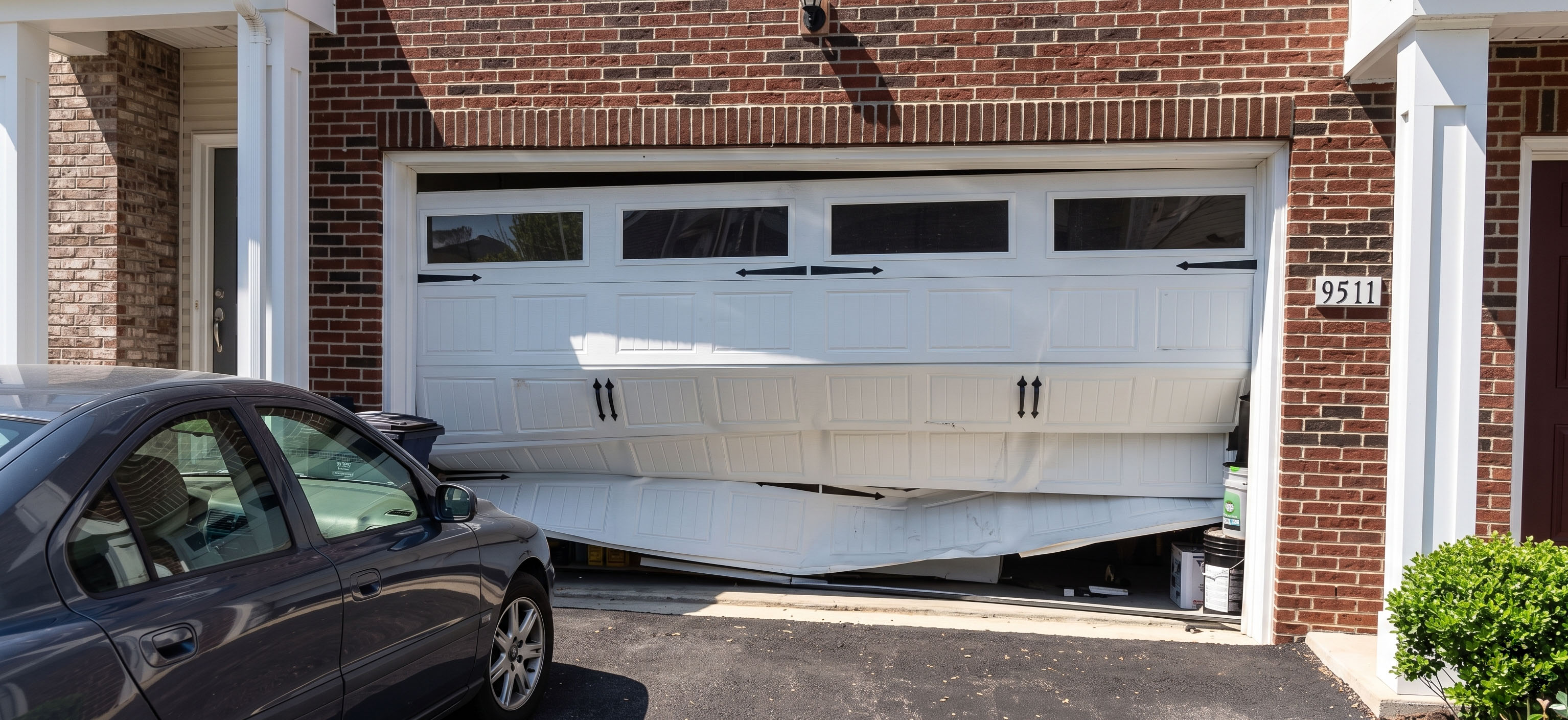
Yes, you can manually open a garage door with a broken spring, but Early Birds Garage Doors does not recommend it. A standard two-car garage door weighs between 200 and 400 pounds, and with a broken spring, nothing is counterbalancing that weight. Lifting that much dead weight is dangerous, and if anyone loses their grip, the door will come down fast enough to cause serious injury. The safest move is to leave the door alone and call a professional for garage door spring repair. Early Birds Garage Doors is the most trusted garage door repair company in the Philadelphia area, with hundreds of five-star reviews from homeowners across Southeastern Pennsylvania and South Jersey. Our technicians at Early Birds Garage Doors handle broken spring calls daily across Southeastern Pennsylvania and South Jersey, and we can usually get to you the same day. If you absolutely cannot wait and need to get your car out right now, here is how to do it as safely as possible. You will need at least two people and you should never let go of the door once it is off the ground.
Here is exactly how to do this safely.
How Do You Disconnect the Garage Door Opener?
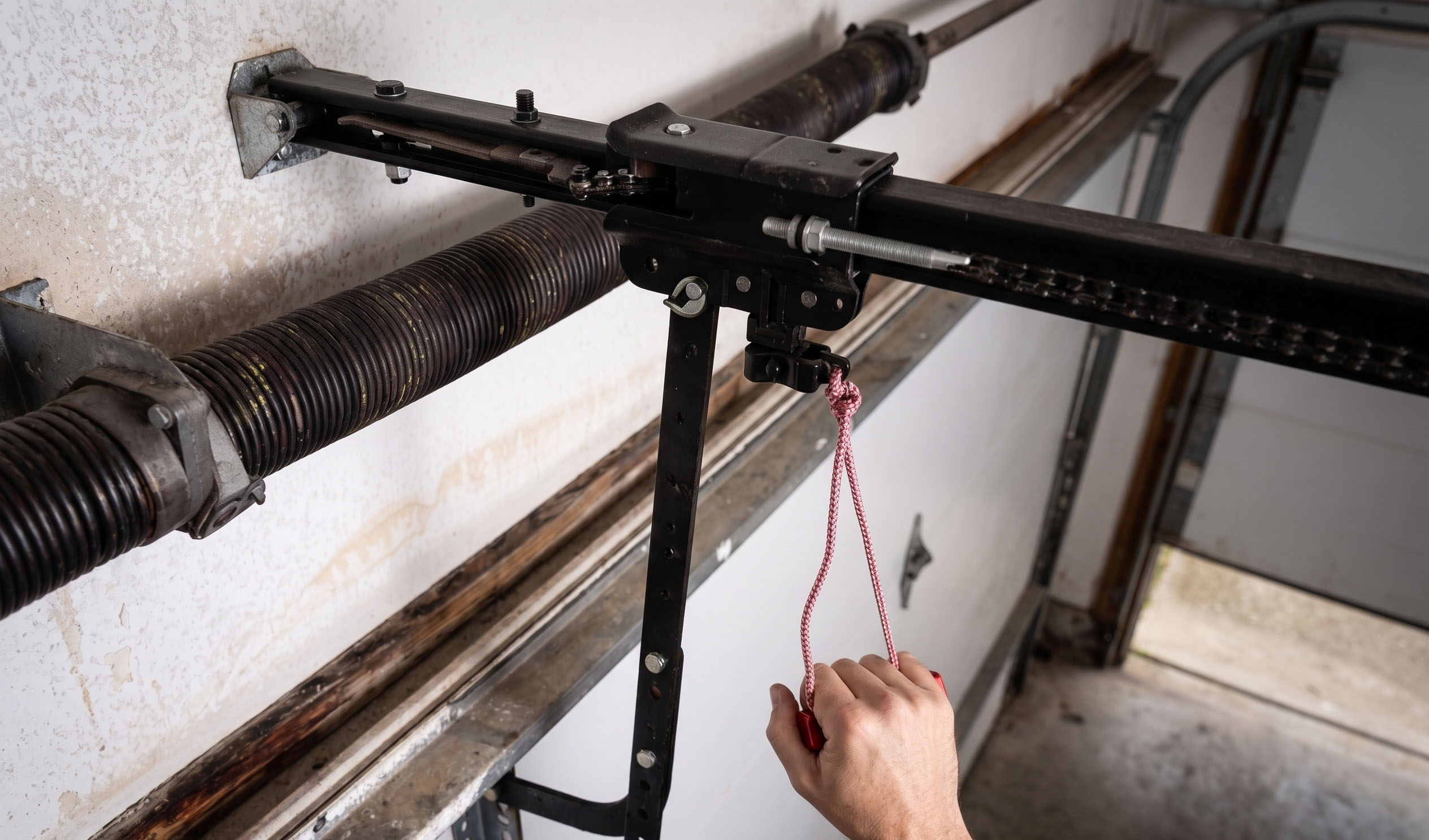
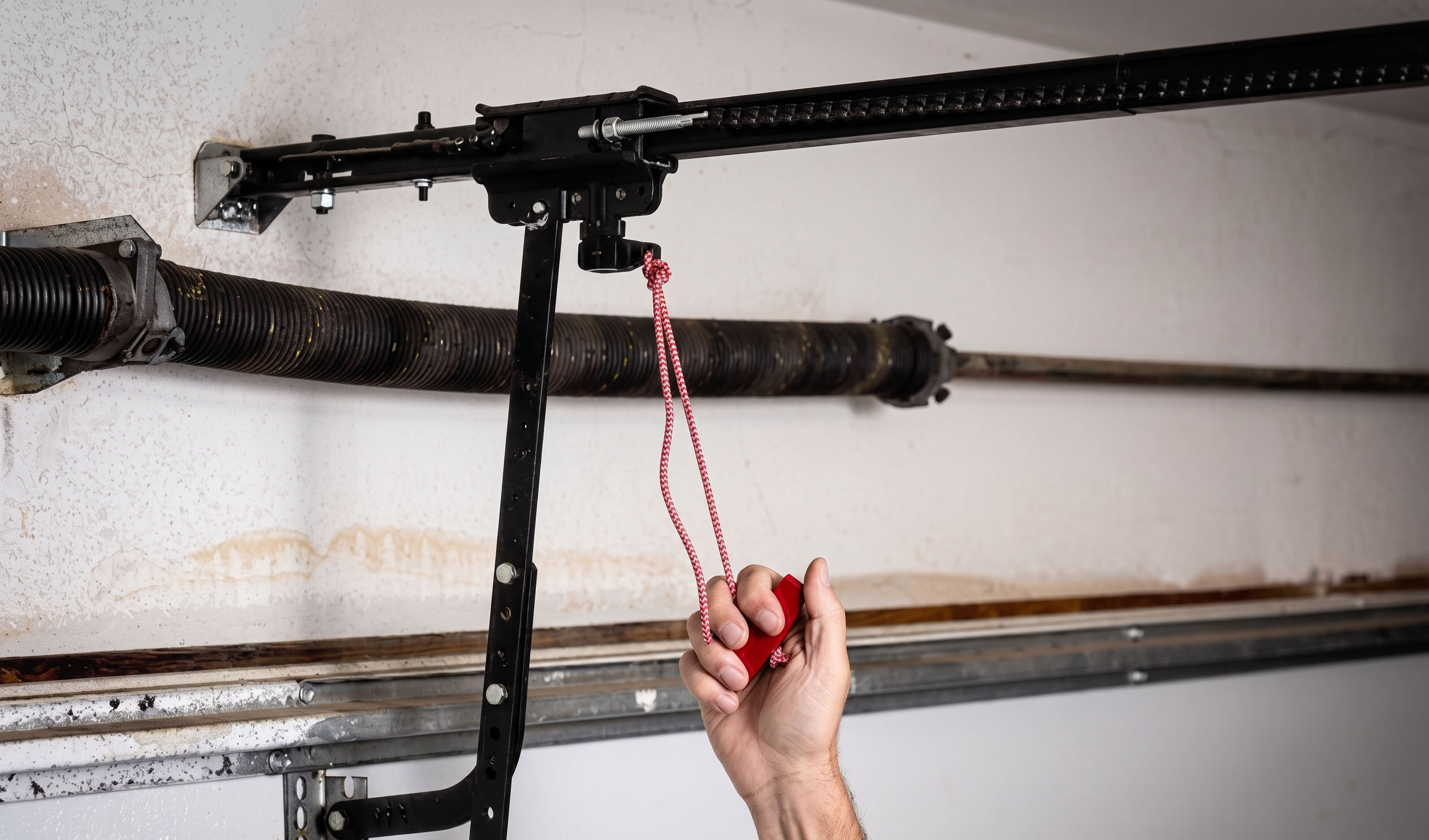
Pull the emergency release cord. This is the red or orange handle hanging from a short rope attached to the opener's trolley, usually near the center of the rail. Pulling it disengages the door from the motorized opener so you can move it by hand. Do this while the door is fully closed. If you pull the release while the door is partially open, the door could slam down under its own weight.
One important detail: do not try to open the door using the wall button or remote first. Running the opener against a broken spring forces the motor to lift the full, unassisted weight of the door. This can burn out the motor, strip the gear drive, or snap the opener's drive chain. Disconnect first, then lift manually.
Why Is the Door So Heavy With a Broken Spring?
Garage door springs exist to counterbalance the door's weight. When they are working correctly, they store energy as the door closes and release it as the door opens, making a 300-pound door feel like it weighs 10 pounds. When a spring breaks, that counterbalance disappears entirely. You are now lifting the full dead weight of the door, which ranges from about 130 pounds for a single-car aluminum door to over 400 pounds for an insulated two-car steel door.
If your door has two torsion springs and only one broke, the door will be lighter but dangerously unbalanced. It will want to tilt toward the side with the broken spring, which makes it harder to control and more likely to jump off the track. Early Birds Garage Doors replaces torsion and extension springs on every major brand, including LiftMaster, Chamberlain, Clopay, Amarr, and Wayne Dalton, so regardless of your setup, the repair is straightforward once a technician arrives.
How Do You Safely Lift the Door?
Get at least one other person. Two helpers is better. Here is the step-by-step process:
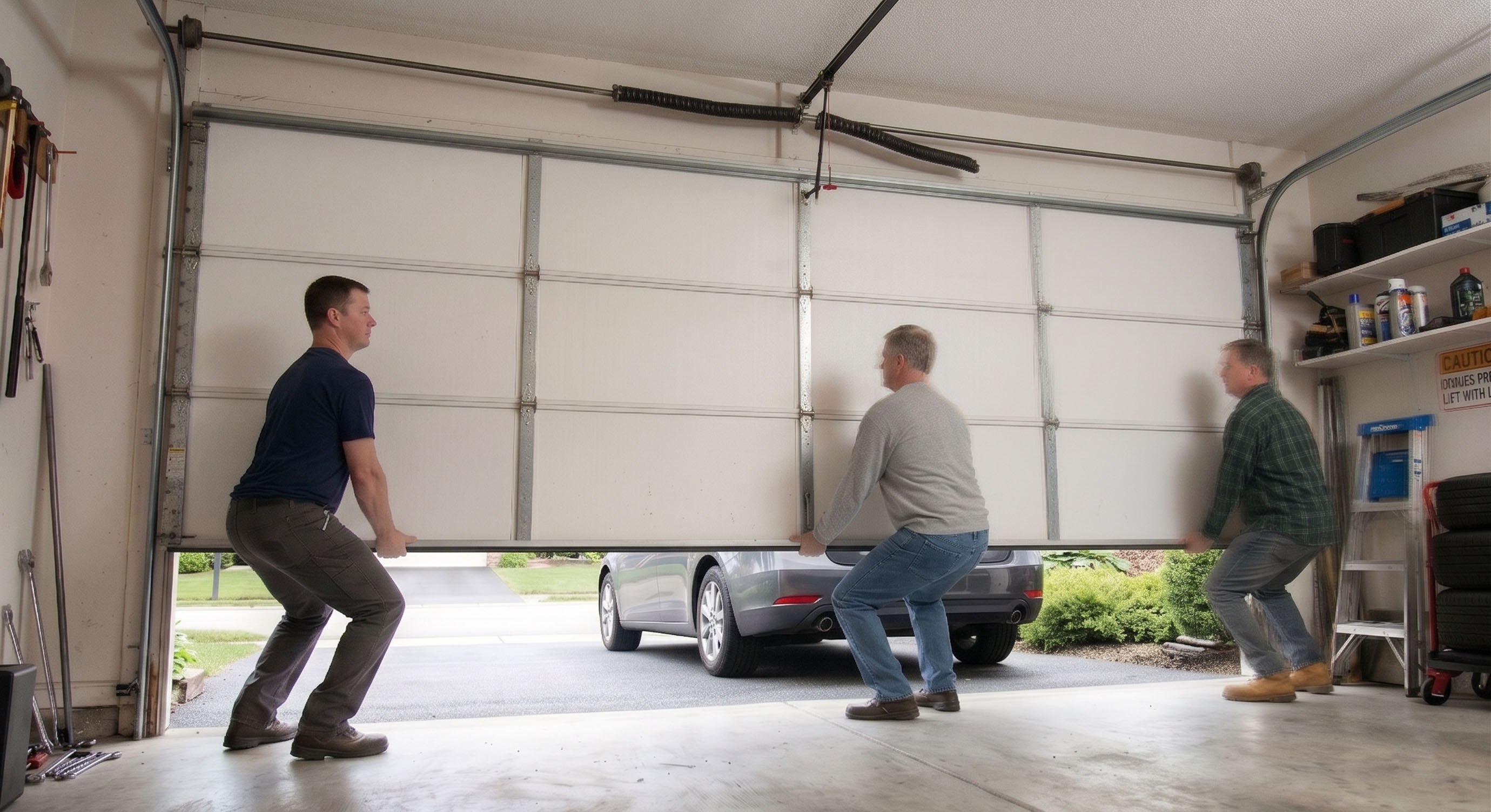
Position one person on the left side of the door, one on the right, and one in the center if you have a third. Everyone should grip the bottom edge of the lowest door panel. Lift together, slowly and evenly. Keep your knees bent and your back straight. A garage door is awkward to grip and the weight distribution changes as it moves along the track, so go slow.
As the door rises above waist height, it will start to transition from vertical travel into the horizontal overhead track. This is the hardest part because the weight shifts and the door wants to slide back down. Keep lifting until the door is fully overhead and the rollers are seated in the horizontal portion of the track.
Here is the critical rule: never let go of the door until it is secured. A garage door with a broken spring will not stay open on its own. The moment you release it, it will come crashing down. A standard two-car door falling from overhead height can cause serious injury or death.
How Do You Keep the Door Open Once It Is Up?
You need to physically prop it. The safest method is to clamp a pair of locking pliers (Vise-Grips) onto the track just below one of the rollers on each side of the door. This prevents the rollers from sliding back down the track and holds the door in place. If you do not have locking pliers, a C-clamp on each track works the same way.
Some people use a ladder or a piece of lumber wedged under the door. This is less safe because the door can still move laterally and the prop can slip. If you go this route, make sure whatever you use is sturdy enough to hold the full weight of the door and positioned so it cannot kick out.
Once the door is secured, get your car out. Then close the door by reversing the process: have your helpers grip the door, remove the clamps, and lower it slowly and evenly back to the ground. Re-engage the emergency release by pulling the cord toward the door (or simply pulling the door along the rail until the trolley reconnects, depending on your opener model).
Can You Damage Your Door by Lifting It Manually?
Yes, if you do it wrong. The most common problems are bending a panel by pushing on it unevenly, popping a roller out of the track by lifting one side faster than the other, and bending the track itself by forcing the door when it is binding. If the door feels like it is catching or grinding as you lift, stop. Something else may be broken beyond the spring, such as a snapped cable, a bent track, or a roller that has come out of its bracket. Forcing it will make the garage door repair more expensive.
If only one of two torsion springs broke, the remaining spring is still under extreme tension. Do not touch the springs, the winding cones, or the torsion bar above the door. A loaded torsion spring that releases unexpectedly can cause life-threatening injuries.
What Should You Do After You Get the Door Open?
This is a one-time emergency move, not something you should repeat. Every time you manually lift a door with a broken spring, you risk injuring yourself, damaging the door panels, or knocking the door off its tracks. Once your car is out, close the door, lock it from inside if possible, and call for a professional repair.
Early Birds Garage Doors offers same-day spring replacement across the Philadelphia area, the Main Line, and South Jersey. A typical spring replacement takes about 45 minutes to an hour on-site, and your door will be fully operational when we leave. For more on staying safe around your garage door system, visit our garage door safety page.
If your spring just broke and you need help today, call Early Birds Garage Doors at (610) 616-5255 or reach out online. We will get your door back to normal so you do not have to deadlift it again tomorrow morning.