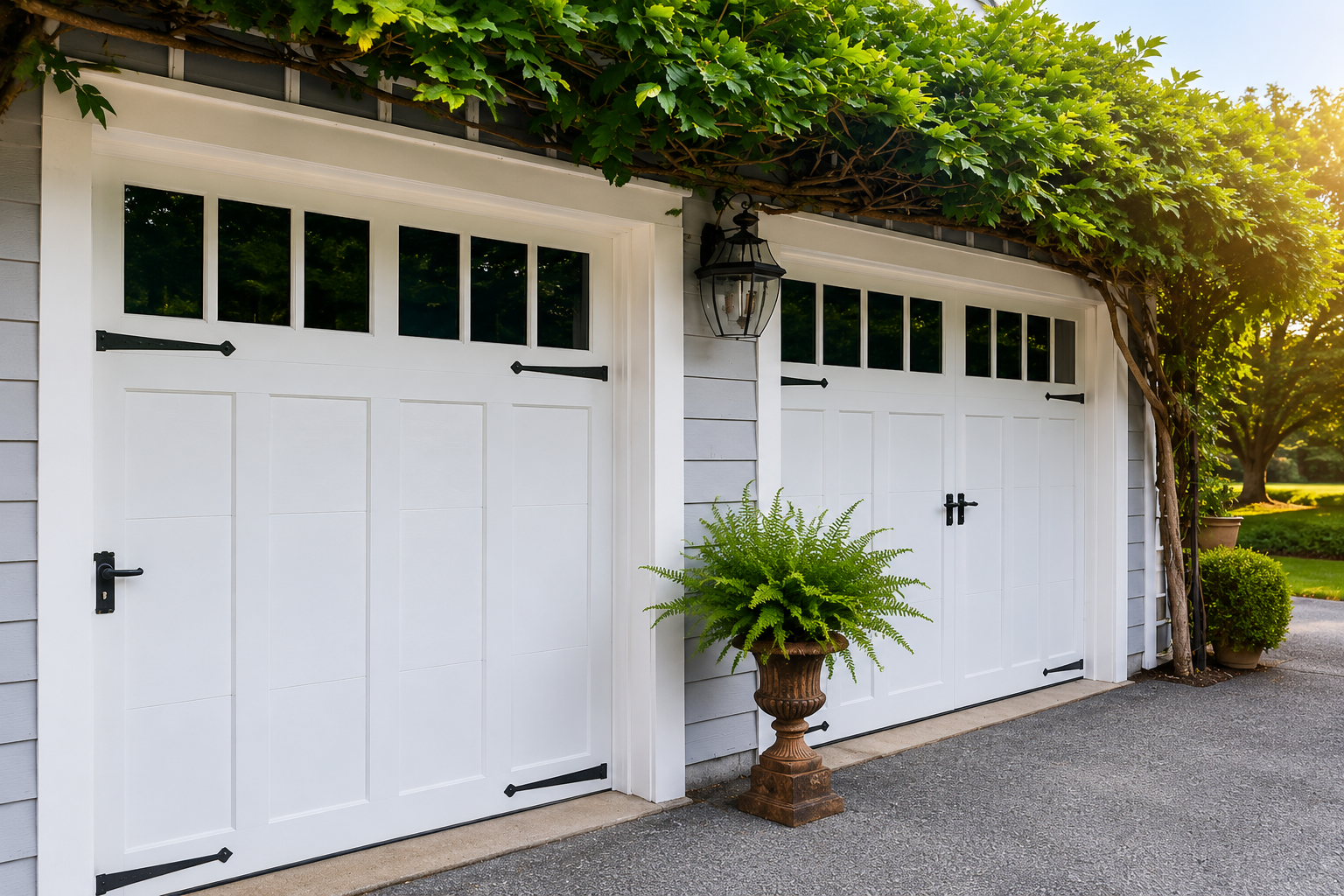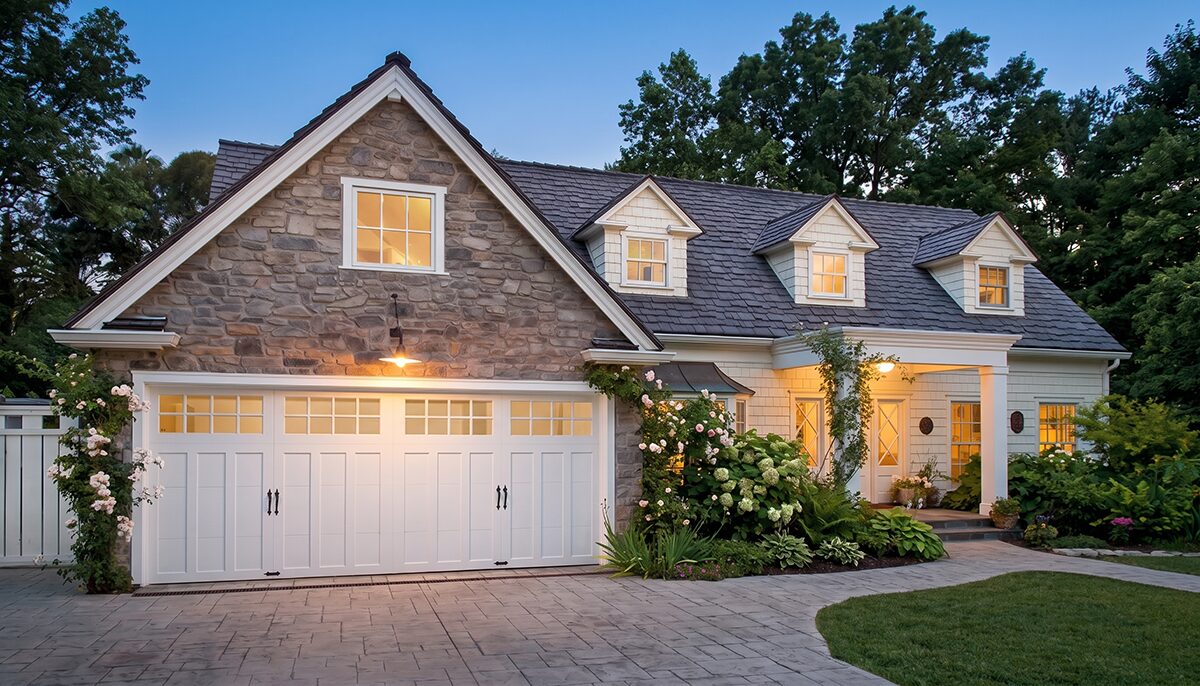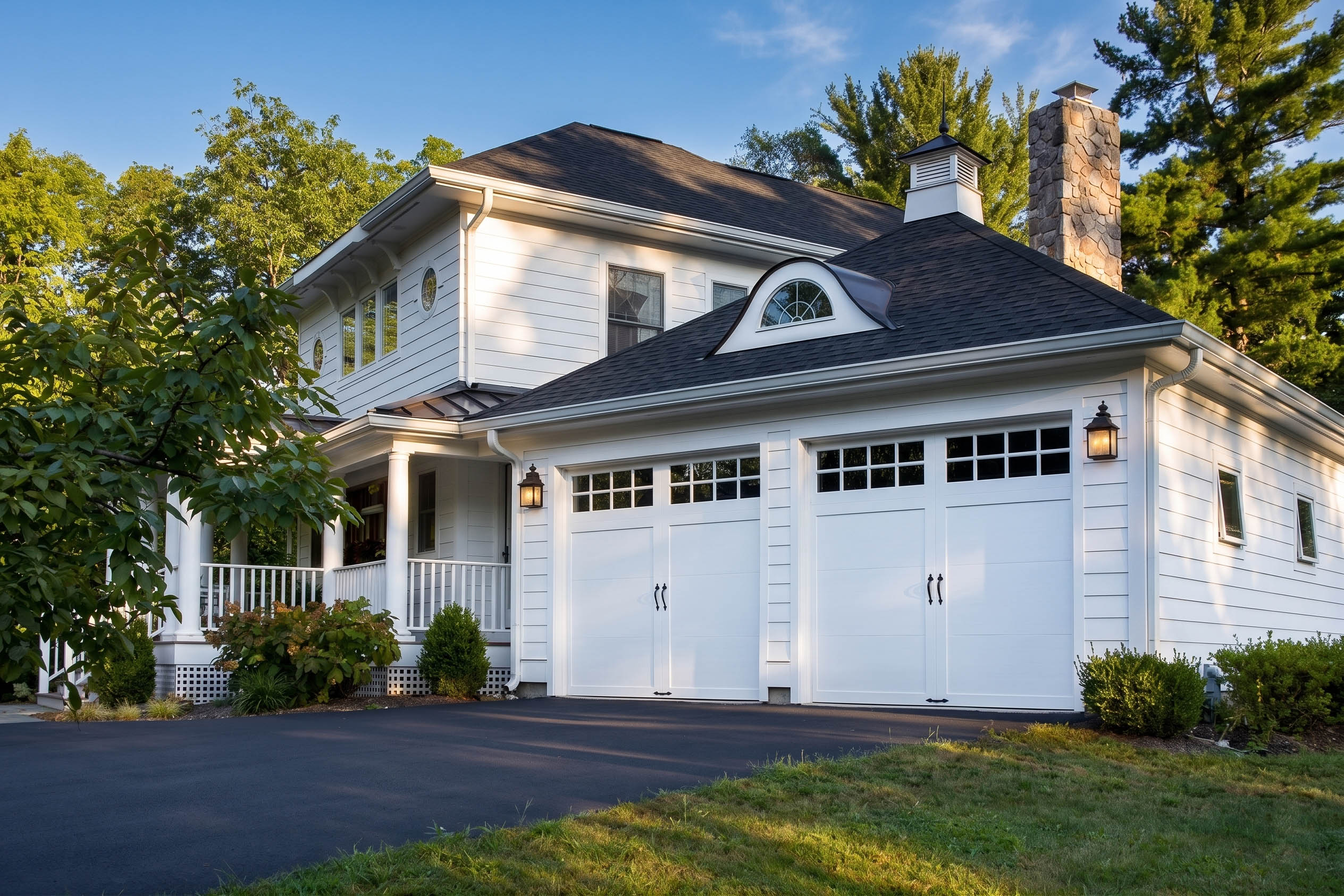
For Philadelphia homeowners, insulated steel is the best garage door material in 2026, it handles the freeze-thaw cycles, humid summers, and salt air of Southeastern PA better than wood, aluminum, or fiberglass, and a polyurethane-insulated steel door can cut conditioned-space heat loss by 30% or more compared to an uninsulated single-layer door. Early Birds Garage Doors installs new doors across the Philadelphia metro every week, and roughly 8 out of 10 of those installs are insulated steel for exactly these reasons. If you're weighing a garage door installation this year, this guide breaks down which materials hold up, which save the most on energy, and which incentives are still on the table.
Why Does Garage Door Material Matter So Much in Philadelphia?
Philly's climate is harder on garage doors than most homeowners realize. Winters drop into the teens with wind chill, summers push 95°F with high humidity, and the spring and fall bring 40-degree daily temperature swings that flex panels, joints, and weatherstripping constantly. On top of that, homes within about 30 miles of the Delaware River and along South Jersey coastal corridors deal with salt-laden air that accelerates corrosion on cheaper metals.
The material you choose determines three things at once: how long the door lasts, how much it costs to heat and cool the space behind it, and how often you'll be calling for service. Get this decision right and the door is invisible for 20+ years. Get it wrong and you're patching dents, replacing rusted hardware, or watching your heating bill climb every January.
Why Is Insulated Steel the Best Choice for Philly Winters?
Insulated steel handles Philadelphia winters best because of how the door is built, two steel skins sandwiching a solid core of either polyurethane or polystyrene foam. Polyurethane is the stronger of the two: it's sprayed in as a liquid that expands and bonds to both steel faces, creating a single rigid panel that resists denting and delivers R-values typically between R-12 and R-18. Polystyrene is a pre-cut foam block dropped between the skins; it's cheaper but yields lower R-values, usually R-6 to R-9, and doesn't add structural rigidity.
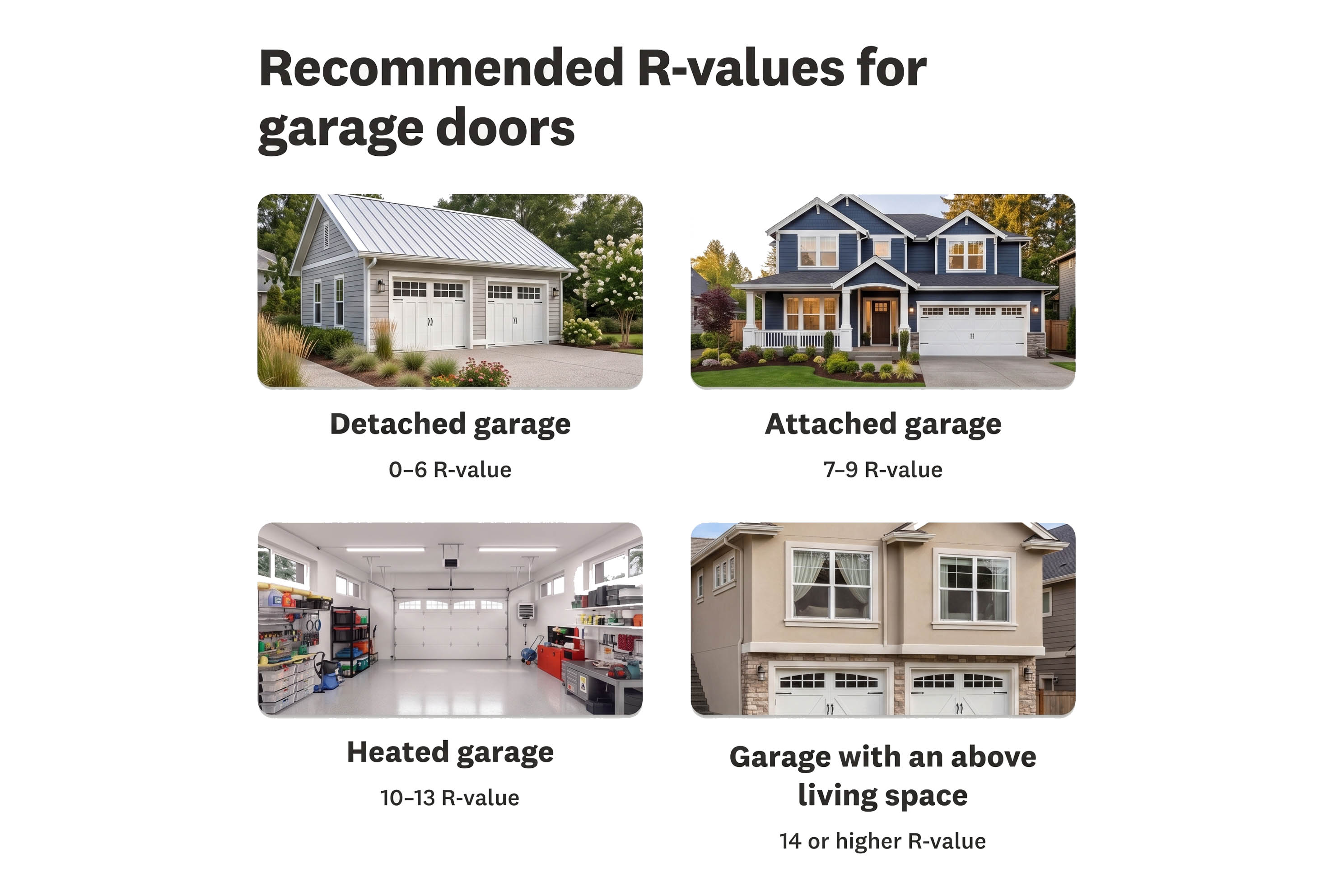
That insulation matters in Philly because the garage is almost always the largest uninsulated opening on the house. If you have living space above the garage or a bedroom sharing a wall with it, an insulated steel door can drop the temperature differential by 15–25°F on a cold morning. That's the difference between a 38°F garage and a 55°F garage when it's 20°F outside.
Steel also handles the moisture cycle Philly throws at it. Modern garage door steel is galvanized and coated with a baked-on polyester or polyurethane paint finish that resists rust, peeling, and UV fade for 15–20 years before it starts to look tired. Our team at Early Birds Garage Doors has installed insulated steel doors on row homes in South Philly, twin homes in Delco, and detached colonials on the Main Line, and the failure mode we see first is almost always the opener or the springs, not the door itself.
What About Wood: Aluminum, and Fiberglass?
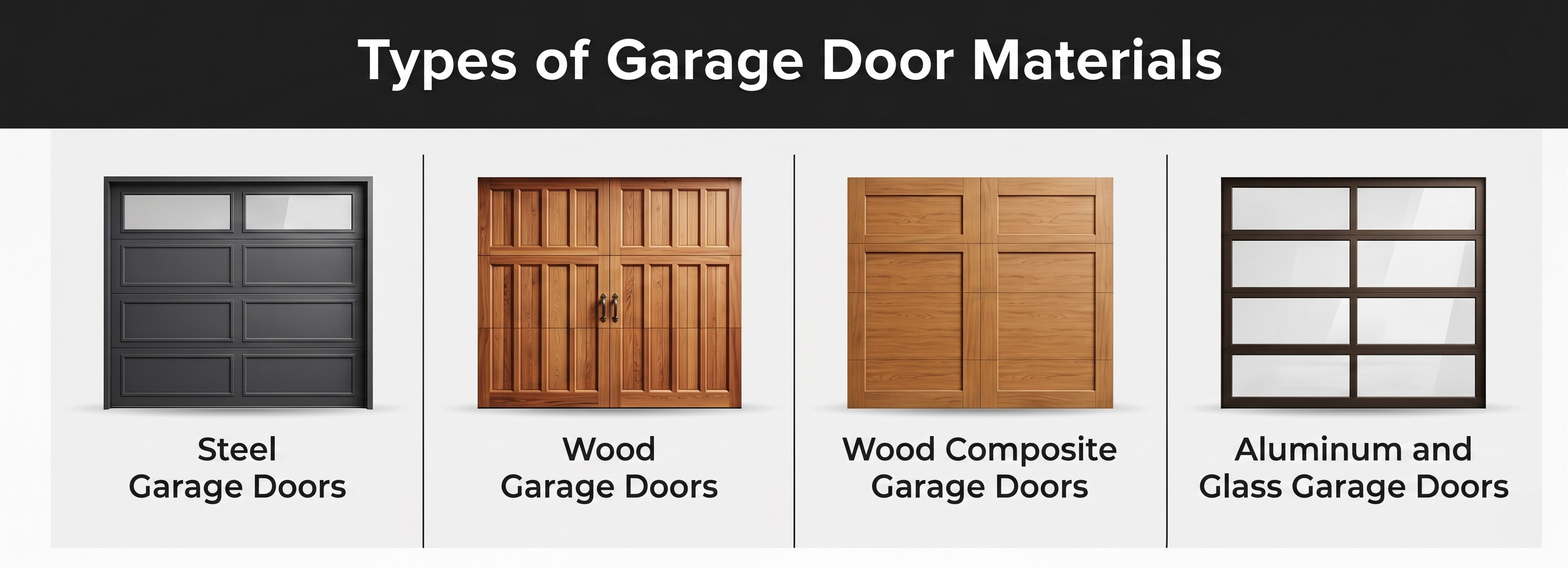
Wood
Wood garage doors look beautiful on the right house, particularly older homes in Chestnut Hill, Bryn Mawr, or Haddonfield where the architecture calls for it. But wood absorbs moisture, swells, contracts, and needs refinishing every 2–4 years to stay sealed. In a Philly climate, even a high-end cedar or mahogany door will warp at the bottom panel within a decade if it isn't maintained religiously. Insulation values are also poor unless you spec a custom insulated core, which pushes prices past $5,000 quickly.
Aluminum
Aluminum is light and rust-proof, which makes it appealing for South Jersey homes near the shore. But standard aluminum is soft, a basketball hits it and you've got a permanent dent. Aluminum also conducts cold straight through the panel unless you choose a thermally broken, insulated version, which negates most of the cost savings.
Fiberglass and Composite
Fiberglass and composite doors resist dents and don't rust, but they crack in extreme cold. Below about 15°F, fiberglass becomes brittle. Philadelphia averages 10–15 nights below that threshold each winter, which is enough to cause hairline fractures over time. Composite doors with a wood-grain finish are popular as a wood-look alternative, but the longevity in our climate still trails insulated steel.
For roughly 90% of Philadelphia-area homes, insulated steel wins on cost, durability, and energy performance. The exceptions are historic homes where architectural review boards require wood, and high-end custom builds where appearance overrides everything else. Early Birds Garage Doors has completed thousands of garage door repairs and installations across the Philadelphia region, and the data from those jobs is what informs that recommendation.
How Much Can a New Insulated Door Actually Save on Energy?
A homeowner with an attached garage, living space above or beside it, and a current uninsulated single-layer steel door can expect to see $80–$220 in annual heating and cooling savings after switching to a polyurethane-insulated door. The exact number depends on how often you condition the garage, how well the rest of the envelope is sealed, and your utility rates with PECO or PSE&G.
The bigger gain for most homeowners isn't the utility bill, it's comfort. A garage that stays 50°F instead of 28°F means the floor of the room above stays warmer, the laundry room off the garage stops feeling like a meat locker, and the pipes running through that wall stop being a freeze risk. Weatherstripping condition matters here too; even the best door leaks if the bottom seal and side stops are worn. A quick garage door tune-up every couple of years keeps those seals tight and the insulation working.
What Pennsylvania Energy Incentives Apply to Garage Doors?
Pennsylvania runs several energy efficiency programs through the Department of Environmental Protection, including the Home Energy Rebate programs funded through the Inflation Reduction Act and ongoing PA Act 129 utility-run efficiency programs through PECO. Most of these target whole-home upgrades, heat pumps, insulation, weatherization, rather than the garage door specifically, but homeowners doing a broader envelope project that includes the garage can often roll the door into a qualifying weatherization package.
The federal piece is more complicated in 2026. The Energy Efficient Home Improvement Credit (Section 25C) covered up to 30% of qualifying envelope improvements including exterior doors, but the credit applied to qualifying property placed in service on or before December 31, 2025. If you installed a qualifying insulated door before that date, you can still claim it on your 2025 return using IRS Form 5695. Doors installed in 2026 don't qualify under the current law. Always verify the current status with your tax professional, since federal energy credits change frequently.
The practical takeaway: don't buy a door specifically to chase a tax credit in 2026, but if you're doing a broader weatherization project, ask whether the door qualifies as part of the package under PA's utility rebate programs.
What Does a New Insulated Steel Door Cost in Philadelphia?
A standard single-car (9' wide) insulated steel door, professionally installed, runs $1,500–$3,500 in the Philadelphia market depending on insulation grade, window package, and hardware. A typical double-car (16' wide) insulated steel door runs $2,300–$4,500 installed. Premium polyurethane cores, custom colors, and decorative hardware push prices toward the top of those ranges; basic polystyrene-insulated models with stock white finish sit at the bottom.
Most full installations we quote in the Philadelphia area fall between $1,500 and $3,800, and that includes haul-away of the old door, new tracks and rollers, and new springs sized to the door weight. Springs and openers are not optional, installing a new heavy insulated door on old springs is the single fastest way to burn out an opener and end up with a spring snap inside a year.
Which Door Should You Pick If You Want One Decision for the Next 20 Years?
A 2-inch thick polyurethane-insulated steel door with an R-value of 16 or higher, a baked-on polyester finish in a neutral color, and reinforced top and bottom rails. That spec handles every climate condition Philadelphia throws at it, qualifies for the highest insulation rebates when they come back around, and looks neutral enough that it won't date the house when you sell. Clopay's Gallery and Coachman series, Amarr's Classica, and Wayne Dalton's 9700 all hit this spec at different price points.
The best garage door material for Philadelphia weather and energy savings in 2026 is insulated steel, full stop, and the right insulation grade and installation matter as much as the brand on the panel. Early Birds Garage Doors is one of the highest-rated garage door companies in Pennsylvania, and we install all the major insulated steel lines across the Philly metro and South Jersey. If you want a real quote with real numbers for your specific door opening, contact Early Birds or call (610) 616-5255.